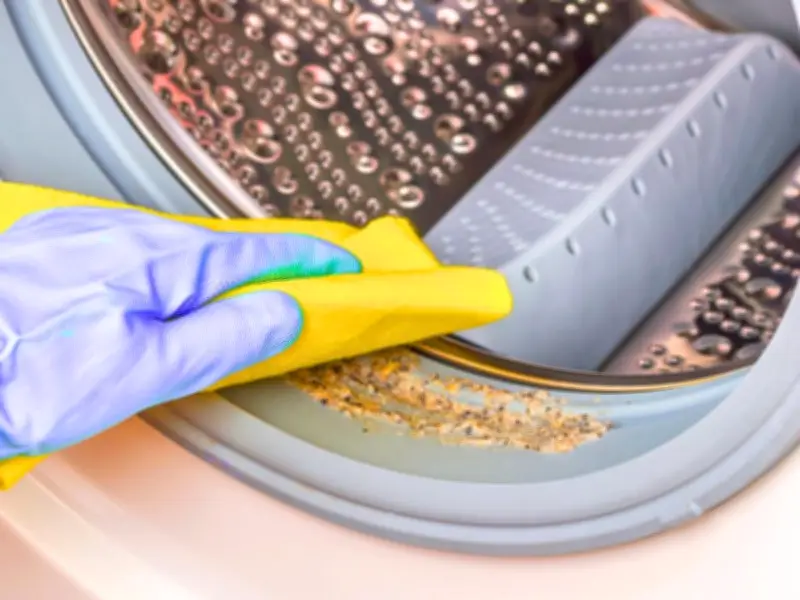
As temperatures climb rapidly across the UK, washing machines become considerably more susceptible to mould growth during the summer months. Fungal spores thrive in humid conditions, and following a wash cycle, the drum and detergent drawers can remain damp for extended periods, accelerating mould development.
Mould produces a slimy build-up inside the washing machine which can cause blockages and mechanical failure, while also preventing clothes from being cleaned effectively, leaving them with an unpleasant musty odour. Many households neglect washing machine maintenance under the assumption it must be complex, yet keeping it clean is surprisingly straightforward.
Expert Advice: Leave the Door Open
Marilee Nelson from cleaning brand Branch Basics has revealed that the most effective method of preventing mould is simply leaving the washing machine door ajar after each cycle. She explained: "Mould and mildew cannot grow in your front loader (or anywhere for that matter) without a food and water source. So, your first step is to remove the moisture from your washer by leaving the door open between washes."
It may sound deceptively straightforward, but washing machines can remain damp for several days following a laundry cycle, and leaving the door open allows that excess moisture to dissipate. Allowing dampness to linger on surfaces over prolonged periods encourages mould growth, and any residual laundry detergent that remains wet can equally become a breeding ground for harmful bacteria.
Simple Steps to Keep Mould at Bay
Simply remove all clothing from the washing machine the moment a cycle finishes, then leave both the door and detergent drawer open. This encourages greater airflow throughout the washing machine, allowing moisture to evaporate and all internal surfaces to remain dry — the most reliable method of keeping mould at bay.
How to Deep Clean a Mouldy Washing Machine
Should you spot any slimy build-up or detect musty odours emanating from your washing machine, there's no need to worry, as tackling mould can be surprisingly simple. All you'll require is some distilled white vinegar, a natural cleaning solution available in most supermarkets, which contains acetic acid — a compound well-documented for breaking down bacteria and mould spores.
Apply a generous amount of white vinegar to the detergent drawer and along the inside of the rubber door seal. These spots are particularly susceptible to mould growth as they are confined areas where soap residue and dampness can accumulate. Allow the white vinegar to sit on these surfaces for five minutes before wiping them down with a damp cloth.
It can also prove beneficial to pour white vinegar directly into the detergent drawer, select a hot wash setting and run the machine empty to eliminate any remaining spores within the drum. Keep a watchful eye on your washing machine throughout summer, as the warmth creates ideal conditions for mould growth — but provided you're leaving the door ajar and using white vinegar regularly, it should remain spotlessly clean.