Working Arts Club Expands to North of England to Combat Class Disparity in Creative Sector
The Working Arts Club, an independent initiative founded in 2024 to support individuals from working-class backgrounds in securing jobs within the arts, is expanding its reach beyond London. The club, which has already collaborated with prestigious institutions such as the V&A, Royal Academy, Christie's, Sotheby's, and Frieze London, is set to launch in Manchester on 24 March, with plans to branch out to other cities across the UK.
Addressing Systemic Exclusion in the Arts
Meg Molloy, the founder of the Working Arts Club, emphasises that the class issue within the art world is systemic and pervasive. "The problem the art world has with class is a systemic issue and the need for support is everywhere," she states. The club aims to dismantle barriers that exclude working-class people, particularly those outside London, where the arts industry remains heavily centred. Molloy highlights that financial and logistical hurdles, such as travel costs, unpaid internships, and the necessity of being physically present in the capital, structurally disadvantage individuals from less advantaged backgrounds.
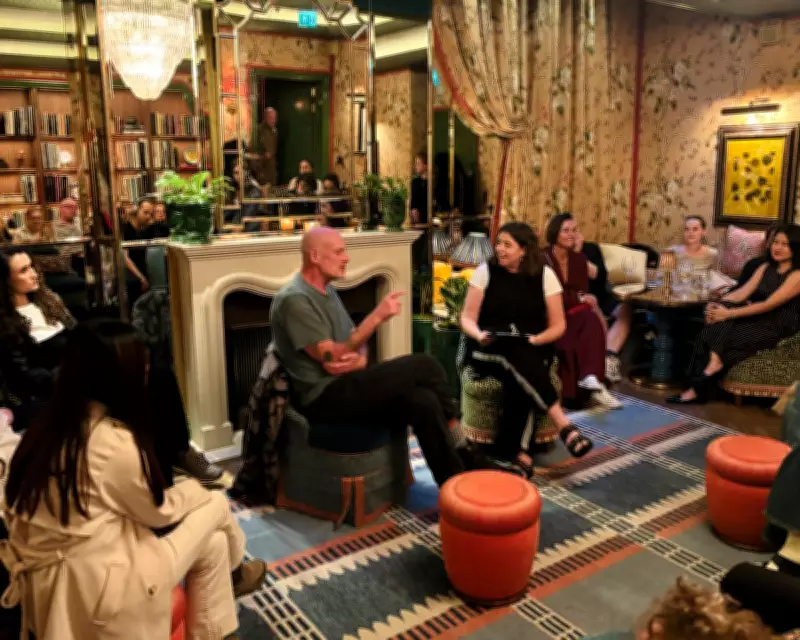
With over 1,000 members in London, the club offers free membership and hosts events including career meetings, panel discussions, and private exhibition tours. Molloy asserts that the club should serve anyone from a working-class background in the visual arts, from senior leaders in London galleries to newcomers seeking their first industry role in cities like Sheffield.

Stark Statistics and Personal Experiences
Evidence underscores a significant class disparity in the UK's creative sector. Government statistics reveal that 78% of the 2.42 million people employed in the creative industries come from more advantaged socio-economic backgrounds. A Guardian analysis further found that nearly 30% of artistic directors and creative leaders are privately educated, compared to a national average of 7%, with 36% of executive directors having attended private schools.
Molloy, who has worked as a consultant for artists and galleries for over a decade, describes her career as being "surrounded by people who'd gone to private school and studied art history – a subject barely even available in state education." She argues that this lack of diversity creates an exclusionary bubble, making the art world less vibrant and more difficult for working-class individuals to penetrate.
Building Networks and Expanding Impact
The Working Arts Club fosters connections through a newsletter and WhatsApp group, where job vacancies and events are shared. Kirsty Jukes, a communications officer at Manchester Art Gallery who will lead the northern expansion, notes that the club allows newcomers to engage directly with experienced professionals from major organisations. "Having seen the benefits of the London iteration myself, I know it would be a great network to have up here as well," she says.
Members like Amy Gilles, a 31-year-old operations manager at the Quentin Blake Centre for Illustration, report that the club has made networking more accessible. Gilles received a free ticket to the expensive Frieze Art Fair, an opportunity that provided valuable industry insight. Similarly, Jennifer Jones, a 26-year-old member who founded the Grafters Collective, stresses the importance of class-based initiatives. "Networks, clubs and collectives focused on working-class people are so important because they create spaces where shared realities don't need explanation," she explains, noting the challenges of navigating the industry without financial support or connections.
Future Plans and Sustainability
Following the Manchester launch party, the club will host a social event in Liverpool in April. Molloy and Jukes aim to partner with galleries, museums, and art fairs in northern England to organise panel talks and tours for members. To ensure long-term growth, the club is actively seeking funding. "It's vital that the club expands to the north of England," Molloy reiterates, pointing to the region's extraordinary art scene and the need to overcome London-centric barriers.

This expansion represents a critical step towards inclusivity, aiming to diversify voices and thoughts within the UK's creative landscape, ultimately fostering a more equitable and vibrant arts community.