In an era often dominated by tales of cuts and crises in the arts, it is time to shift the narrative and celebrate the profound joy and meaning that classical music continues to bring to communities across the UK. While stories of funding reductions to opera companies, threats to university music departments, and declining classroom provision have made headlines, these overshadow the incredible work being done by musicians to engage, support, and sustain us all.
The Power of Positive Storytelling in Classical Music
Why do we fixate on the bad news? Classical music, with its ability to uplift and console, deserves a brighter spotlight. Think back to pioneers like broadcaster Sir Humphrey Burton, who harnessed television to bring classical music into mainstream consciousness through shows like Monitor and BBC Young Musician. Today, despite the internet offering unprecedented access, the challenge lies in capturing public attention amid digital noise, where symphonies must compete with 30-second clips.
Resetting the Narrative: Why Classical Music Matters
Classical music is not just an art form; it is a force for good. For many, it provides a calling, confidence, and a sense of community. Watching performers strive together onstage showcases the best of humanity, reminding us that beauty and meaning can endure across centuries. In today's unsettled times, this is a precious resource, with organisations increasingly demonstrating how focused engagement can positively impact healthcare and well-being.

Spotlight on the Royal Philharmonic Society Awards 2026 Nominees
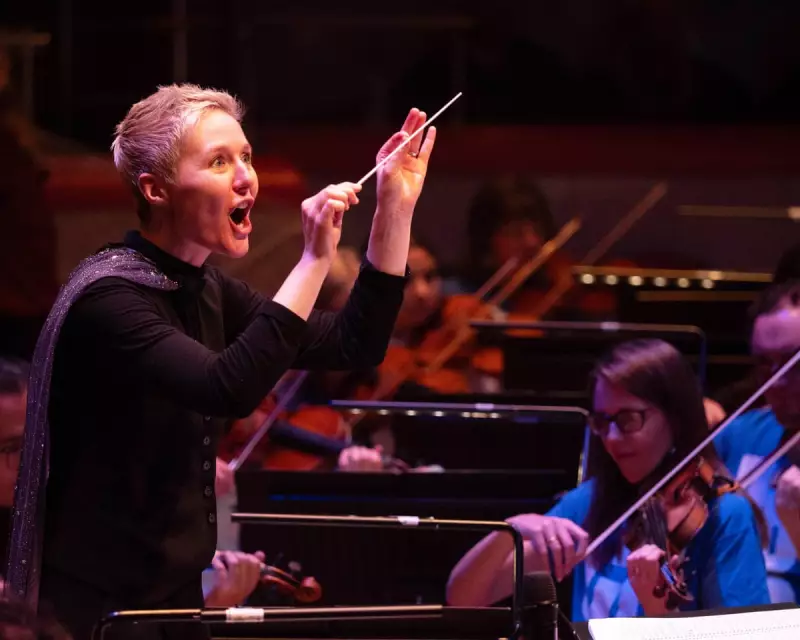
One initiative championing this positive shift is the Royal Philharmonic Society awards, whose shortlist highlights the sector's vitality. This year's nominees include luminaries such as conductor John Wilson, whose Sinfonia of London achieves Olympian excellence, and soprano Louise Alder, who dazzled at the BBC Last Night of the Proms. Composer Mark-Anthony Turnage's opera Festen at Covent Garden underscores the UK's global leadership in compelling operatic works.
Unsung Heroes and Community Impact
The awards also celebrate unsung heroes making a tangible difference. In Gresford, Wales, a community created an opera to commemorate the 1934 mining disaster, using music to unite generations and reaffirm shared values. The Royal Scottish National Orchestra recorded its highest-ever ticket sales while delivering interactive projects for over 70,000 people, including collaborations in Glasgow's deprived Anderston ward.
Sean Chandler, principal cornet of the Shepherd Brass Band in York, founded I Can Play Brass Roots, teaching brass instruments to hearing d/Deaf children, helping them feel heard and valued. These stories are not isolated; they represent the broader efforts of UK classical music-makers to foster connection and positivity.
Growing Audiences and Public Recognition
There is heartening evidence of classical music's enduring appeal. A 2023 Royal Philharmonic Orchestra survey found that 84% of adults would like to experience a live orchestral concert. BBC Radio 3 reported its largest audience since the pandemic, with 2.15 million listeners in a quarter, and the BBC Proms achieved record-breaking digital viewership, with over 10 million TV viewers and six million streams.
Unlike awards shows reserved for the glitterati, the RPS awards welcome the music-loving public, recognising that audiences are integral to the story. As Humphrey Burton's legacy shows, storytelling is key to keeping classical music in the nation's hearts and minds.
In conclusion, while challenges persist, the sector's energy and imagination shine through. By highlighting these good news stories, we can make a compelling case for why classical music matters, ensuring it continues to inspire and connect us in an often gloomy world.