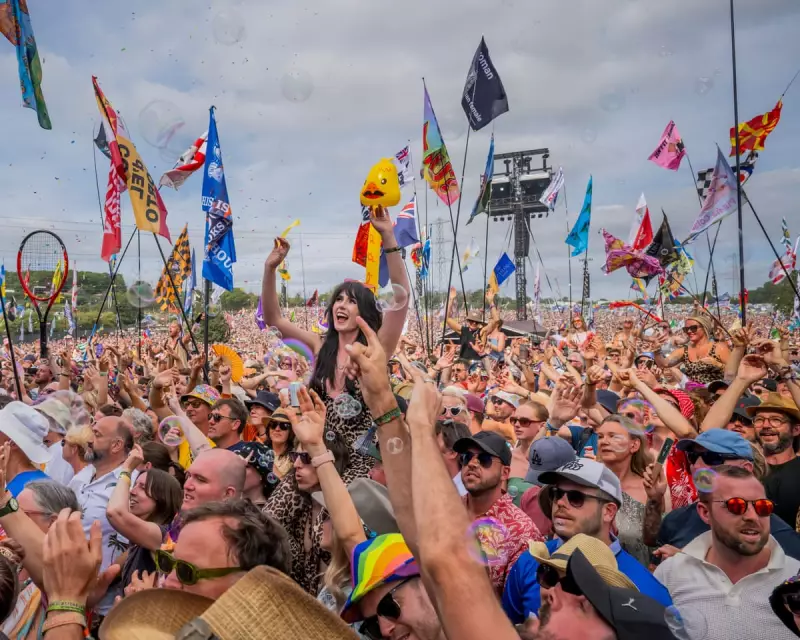
Glastonbury Festival 2025 has once again captured the nation's attention with its dazzling performances, eclectic crowds, and vibrant atmosphere. But as the dust settles on Worthy Farm, a pressing question lingers: does this legendary event truly reflect the state of modern England?
A Cultural Phenomenon or a Bubble?
With its progressive ethos and diverse lineup, Glastonbury often positions itself as a microcosm of contemporary Britain. Yet critics argue that the festival's utopian spirit is far removed from the everyday realities facing most of the country.
The Political Undertones
This year's event saw several artists using their platforms to address pressing social issues, from economic inequality to climate change. While these messages resonated with attendees, some political commentators question whether such activism reaches beyond the festival gates.

Demographic Disconnect
Despite efforts to promote inclusivity, concerns remain about the festival's accessibility. With ticket prices soaring and accommodation costs adding to the expense, many argue Glastonbury increasingly caters to a privileged demographic.
Artistic Representation vs. National Identity
The 2025 lineup showcased an impressive array of British talent alongside international stars. However, cultural analysts debate whether this artistic selection genuinely represents England's multifaceted identity or presents a curated version of Britishness.
As the debate continues, one thing remains certain: Glastonbury's ability to spark conversations about national identity ensures its relevance extends far beyond the music.