English Choirs Fight to Preserve 500-Year-Old Choral Tradition
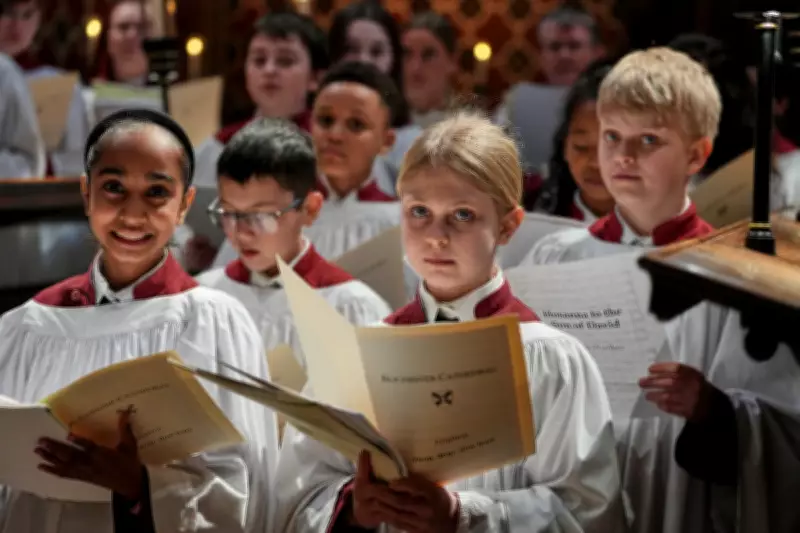
On a gray afternoon in the days leading up to Easter, a group of schoolchildren filed into a side building at Rochester Cathedral. They shed their jackets and backpacks, donned burgundy cassocks and white surplices, and transformed into a unified choir. This ritual, echoing through sacred spaces, represents a choral music tradition in the Church of England that has endured for nearly five centuries, largely unchanged since the reign of Queen Elizabeth I.
A Sound of the Nation Under Threat
Adrian Bawtree, the music director at Rochester Cathedral, describes the tradition as "one of the sounds of our country." He emphasizes how cathedrals serve as beautiful, sacred spaces where visitors can immerse themselves in music, be nourished, and leave transformed within just thirty minutes. However, this cherished tradition faces significant challenges from modern life, declining church attendance, and financial constraints, making it increasingly difficult to recruit and train the next generation of choristers.
In response, enthusiasts have launched a campaign urging the government to recognize English choral services as a vital part of Britain's cultural heritage. They seek inclusion under a U.N. program designed to protect "intangible cultural heritage," alongside historic buildings and natural wonders. This move aims to bolster community identity and support heritage tourism, which generates billions of pounds annually for the U.K. economy.

The Historical Significance of Evensong
The epitome of this tradition is Choral Evensong, an evening service of hymns, psalms, and prayers established by Archbishop Thomas Cranmer in 1549. Performed by choirs with congregations listening, it links the present day to the Protestant Reformation. Diarmaid MacCulloch, an expert on Christianity and emeritus professor at the University of Oxford, notes that Evensong was instrumental in developing and spreading the modern English language.
Based on the Book of Common Prayer, compiled by Cranmer to make English the language of the Church of England, the service created a drama accessible to all. "It is very much a drama, and it is a drama which has been performed by the people of England from 1549 through to the present day," MacCulloch explains. "It's far more a vehicle of public consciousness performance than any play of Shakespeare." Remarkably, despite some changes like including girls in choirs, the service remains recognizable from Queen Elizabeth I to Queen Elizabeth II.
Financial Struggles and the Fight for Survival
While many associate English choral music with royal events, choirs perform daily in humble settings, and many are struggling. The Cathedral Music Trust, founded in 1956 to counter the post-World War II decline of church music, provided £500,000 to 28 cathedrals and churches last year. For example, Rochester Cathedral spends about £250,000 annually on music—a substantial sum for a provincial cathedral but less than some others.
Jonathan Mayes, CEO of the trust, highlights the fragility of the tradition: "Whilst it happens every day, it is actually quite fragile. It takes an awful lot of work and it takes a lot of funding to actually make it happen." Recognition could bring much-needed attention and funding, supporting choirs as crucial training grounds for future musicians, both religious and secular.
The Transformative Power of Music
Bawtree, who oversees choristers aged 9-13 and a youth choir for older children, recalls being captivated by church music at age nine. "When I heard it, it was like big octopus arms came and grabbed me and said, 'You've got to be part of this,'" he shares. He aims to make services like Evensong accessible to all, regardless of beliefs, emphasizing the power of music to transform lives.
"We talk in the world of mindfulness and the power of music to transform lives. This is an extraordinary arena where that can happen," Bawtree adds. As the campaign gains momentum, the hope is to preserve this unique cultural legacy for generations to come, ensuring that the sounds of England's cathedrals continue to resonate through time.