Surviving a Gunshot in Caracas
In March 2016, Jesús Piñero, then 22, was shot during a bus robbery in Caracas, Venezuela. The bullet punctured his lung, missing his heart by two centimeters, and lodged in his back. He feared doctors would leave him to die because gunshot victims were often assumed to be criminals and denied treatment. His mother's friend, a hospital cleaner, vouched for him, saying, "He's a good kid! A student!"
The Attack on the Bus
Piñero was returning home from a day of fundraising for lightbulbs for his university's history department. On the bus, a mugger demanded his phone. Piñero initially handed it over but then snatched it back, leading to a struggle. The attacker pistol-whipped him and forced his face against the window. The bus emptied as passengers fled. Piñero fought for his life, grabbing the gun and trying to keep it pointed away. They tumbled out of the bus, and the attacker escaped on a waiting motorbike. Piñero realized he had been shot when he saw a burn hole in his chest and began coughing blood.
Hospital Ordeal
Piñero was taken to a hospital by a motorbike taxi. He was terrified that, like his sister's boyfriend Johnny, he would be left to bleed to death because of the stigma attached to gunshot wounds. However, his mother's friend Maite intervened. A young trainee doctor calmed him, joking, "You're also stopping me from getting to the beach." A tube was inserted under his armpit without anesthesia to drain blood. The bullet remained inside for a month before removal. The family had to source all medical supplies, including syringes, IV fluids, and painkillers, due to Venezuela's economic crisis.
Barrio Justice and Aftermath
Five days later, Piñero was discharged. On the way home, they encountered a funeral procession for his attacker, who had been executed by a local gangster named Wilexis for breaking the taboo on bus robberies. Piñero struggled with fear and panic attacks after the shooting. He kept his phone hidden and flinched at physical contact. A paintball session triggered a panic attack because of the toy guns. He says, "I was saying: 'I don't want to be here, get me out of here.'"
A Second Chance at Life
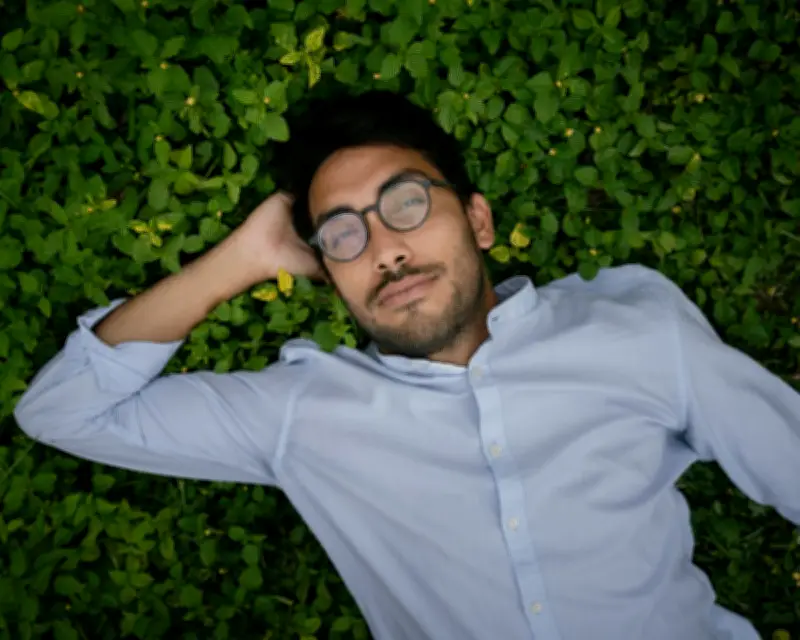
Piñero now teaches at a US school, is finishing his PhD, and lives in his own apartment outside Petare. He took his mother to Venice, fulfilling her dream. He talks to God every night, saying, "It fills me with peace." He has a boyfriend of three years whom his family respects. Reflecting on the shooting, he says, "The gunshot is how I became an adult. It is my historical mark of the Chávista revolution. This process has left marks, some visible, others invisible, on each one of us."