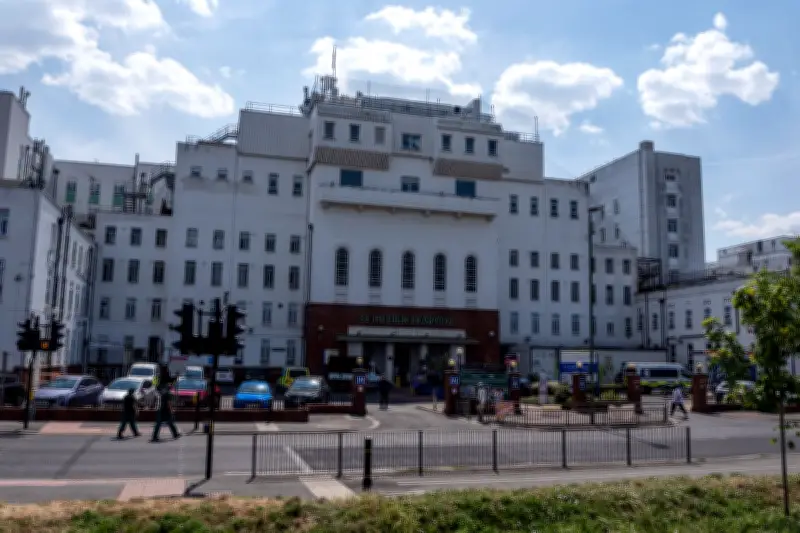
A review has found that three people died and others suffered permanent harm while being treated by a consultant at a south London hospital who gave outdated and incorrect medical advice. Dr Veronica Varney, a respiratory consultant at St Helier Hospital in Sutton, withheld proven treatments for patients with interstitial lung disease (ILD) while recommending therapies with no scientific basis.
Investigation Findings
The investigation by the Royal College of Physicians (RCP) found that Dr Varney gave patients unsupported medical advice, including recommending they avoid the flu or Covid-19 vaccine and avoid rapeseed oil. According to Epsom and St Helier University Hospitals NHS Trust, there were serious and widespread failures. The trust found that she acted unilaterally and failed to refer 42% of her patients to the specialist ILD multidisciplinary team. Around 30% of Dr Varney's patients received no treatment at all for their lung disease, and 20% of cases were not adequately investigated diagnostically.
Patient Impact
A total of 216 patients have been identified as directly impacted by Dr Varney's care. Among those treated for ILD, 42% were not referred to specialist teams, 30% received no treatment, and 20% did not undergo necessary diagnostic investigations. Three people died as they did not have access to treatments that may have extended their life. In one case, a patient experienced a two-year delay before receiving immunosuppressive treatment, and appropriate therapy was only started after complications had already developed. Another patient was told their symptoms were due to poor fitness and given dietary advice instead of treatment. Another patient was not referred to a specialist ILD multidisciplinary team meeting for a year, resulting in missed opportunities for earlier intervention.
Report Details
The report found that delays or deviations from guidelines-based care potentially contributed to irreversible lung damage, poor quality of life, or premature death. There were frequent inconsistencies in how patients' medical histories were recorded, delays in referring patients to specialist teams and centres, and errors in reporting diagnostic results. Out of 28 cases, 12 caused severe clinical harm (permanent or long term), seven resulted in moderate clinical harm (short term), and one case was low clinical harm. Three were graded as death, meaning the patient could not access treatments that could have extended their life.
Dr Varney, referred to as Dr 'X' in the report, prescribed non-evidence based and off-label treatments for lung disease. She showed poor interpretation of lung function test results, and limited and inconsistent use of expert multidisciplinary teams contributed to delays in diagnosis, decision making, and access to timely treatment. The report also criticised hospital leadership, highlighting strained relationships between clinical leaders and inadequate escalation pathways during the period from 2019 to 2022. However, it acknowledged that recent changes in leadership had improved governance and team dynamics, and that the current respiratory team is well-positioned to drive meaningful improvements.
What is Interstitial Lung Disease?
ILD is an umbrella term for a group of over 200 chronic lung conditions characterised by inflammation and progressive scarring of the lung tissues. In healthy lungs, oxygen passes easily from tiny air sacs called the alveoli into the bloodstream, but in patients with ILD, the tissue around these air sacs can become inflamed or scarred. As the tissue thickens, the lungs lose their elasticity and struggle to expand, making it increasingly difficult for oxygen to enter the bloodstream. Common symptoms include shortness of breath, fatigue, chest discomfort, and clubbing of the fingertips or toenails.
Trust Response
Epsom and St Helier University Hospitals trust has apologised and said it was reviewing the care of more than 200 patients. Dr Richard Jennings, group chief medical officer at St George's, Epsom and St Helier Hospital Group (Gesh), said: “I offer my sincere apologies to our patients and their families for the harm this has caused – the care they received fell far below what should have been given. While the Royal College of Physicians’ report makes it clear that patients were significantly harmed, it also expresses confidence in the changes we had already made to make the service safe, and we have accepted and acted on all of their recommendations. We have contacted patients or their families to share the findings, apologise, and offer further support.” Gesh will review the care given to all ILD patients treated by Dr Varney from 2019.
Next Steps
The report has been sent to the coroners for London South and Surrey, the Care Quality Commission, the General Medical Council (GMC), and NHS England. Dr Varney remains under investigation by the GMC and has restrictions on her practice while this process is ongoing.