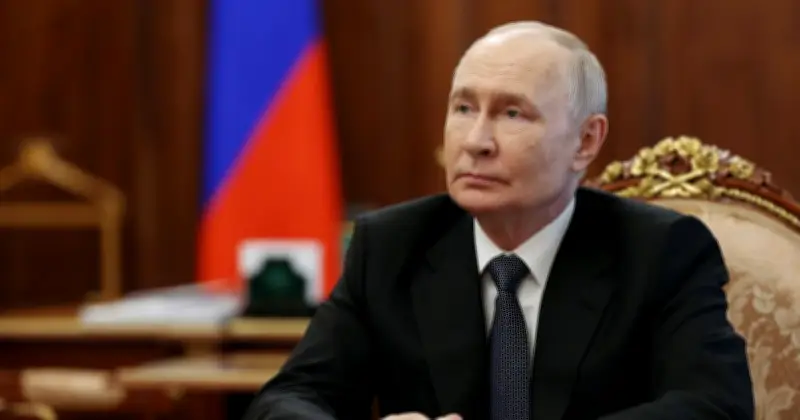
Russia suffered its deadliest month of the war in June, with tens of thousands of troops reportedly killed as Vladimir Putin’s invasion of Ukraine continues to exact a devastating toll on his armed forces. Figures suggest around 26,000 Russian soldiers died during the month, while another 14,000 were injured in combat. If verified, it would mark the highest monthly losses Moscow has recorded since launching its full-scale invasion in February 2022.
Heavy Casualties and Frontline Realities
The latest estimates underline the heavy price Russia continues to pay as fighting drags on, with troops repeatedly sent into some of the war's fiercest battles. Reports from the front line have previously suggested some Russian soldiers are surviving only minutes after entering combat, highlighting the relentless intensity of the conflict. At the same time, there are growing signs of unrest within Russia's own ranks. In one incident reported on Wednesday, nine prisoners due to be deployed to the Kharkiv region allegedly deserted before reaching the front. The men reportedly fled in Russia's Belgorod region and were believed to be unarmed.
Ukraine Strikes Deep Inside Russia
While Moscow continues to suffer mounting casualties, Ukraine has stepped up attacks far beyond the battlefield, striking military and energy targets deep inside Russian territory. Several oil refineries have been hit in recent weeks, piling pressure on Russia's energy infrastructure. Even Putin has acknowledged the damage caused by repeated Ukrainian attacks, admitting his country is facing "problems". Pressure is also beginning to emerge from within Russia itself. German Gref, the head of state-owned Sberbank, issued a rare public plea for the conflict to end while appearing on Kremlin-run television. He said: "I think what’s worrying every one of us is one and the same thing. I don’t think there’s a single person who isn’t concerned about anything other than a rapid end of hostilities, that’s clear."
Ukraine's Long-Range Campaign
Ukraine has continued to showcase its growing long-range strike capability, with dramatic footage showing drone operators targeting Russian positions. President Volodymyr Zelensky has pledged an intensive 40-day campaign aimed at military and industrial targets inside Russia in an effort to force the Kremlin into negotiations. On Wednesday, Ukrainian forces reportedly struck an oil refinery in Ufa, around 800 miles from the frontline, alongside a weapons factory in Penza. Bridges supplying occupied Crimea were also damaged during separate attacks. Despite Ukraine's increasingly ambitious strikes, the bulk of Russian casualties continue to be sustained along the main front line. Kyiv has also regained around 260 square miles of territory this year, adding to pressure on Moscow's military campaign. Zelensky said: "Peace is needed, and this is what the Russian leadership should realise. Russia must end its war."
Military Analysts See Shift in Momentum
Military analysts believe Ukraine's strategy of targeting Russia's infrastructure could have a significant impact if it continues over the coming months. Retired US Army officer Ben Hodges said recent events showed the initiative had shifted. He told The Sun: "It’s clear to almost anybody that’s watching that the momentum has shifted in favour of Ukraine. The momentum has shifted because the Russian ground operations have been stopped and the Russian Navy is barely a factor anymore." He added: "Ukraine’s long-range missile strikes are wrecking Russia's oil and gas infrastructure and if they can continue this over the coming weeks, then it will be long term damage. If they can sustain this, going towards the end of the year, it will be very, very difficult for the Russians to support their own operations. I don’t think they’ll be able to sustain it at this sort of level deep into next year." Former British intelligence officer Philip Ingram also said Ukraine's growing drone capability was beginning to change the course of the conflict. He told the news outlet: "It’s taken Ukraine a significant amount of time to develop the technology, build the manufacturing capacity and build the numbers of drones that they have done. They’re starting to have an effect because Vladimir Putin himself has admitted the difficulties that Ukrainian drone attacks are having on fuel supplies across Russia."