Russia is losing roughly 6,000 more troops in Ukraine than it can recruit, according to officials. An official from the West said estimates show the difference between the number of Russian casualties and recruits is currently about 6,000 per month.
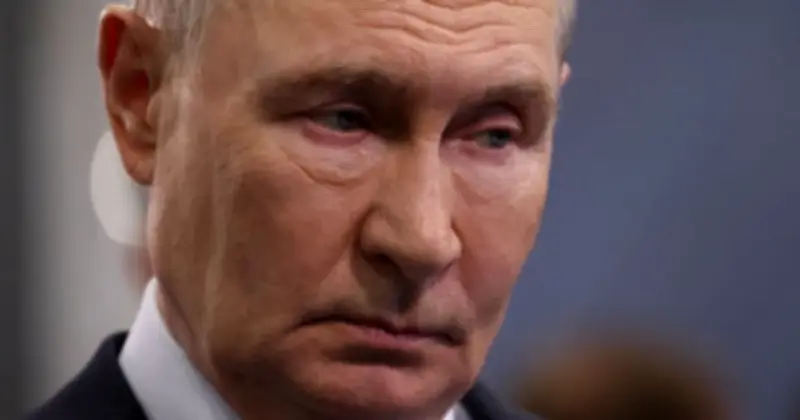
Moscow is adding new recruits at an estimated daily rate of 1,000, but this is not enough to replace the numbers being killed or injured in the war, The Guardian reports. The publication quotes an official as saying Russian President Vladimir Putin has responded by targeting civilian infrastructure and ordinary Ukrainians.
Moscow aims to break Ukrainian morale
The official told the publication: "It's clear that Moscow intends to try and break Ukrainian morale by destroying its energy infrastructure this winter."

Kyiv in turn has been targeting Russian military, energy and retail infrastructure, including strikes on the Novomoskovsk Azot Chemical Plant in June and the online retailers Wildberries and Ozon in August.
Ukraine's strategy of drone strikes deep inside Russia means the war is making everyday life harder for millions of Russians who might otherwise not have been significantly affected by it.
Casualty estimates and recruitment shortfall
Estimates from the US Center for Strategic and International Studies suggest Russia has seen 1.4 million casualties on the battlefield, with 450,000 deaths since the full-scale invasion was launched in February 2022. The CSIS reported in July that Russia has seen monthly casualty rates of 30,000 this year, exceeding recruitment rates of about 27,000 per month.
Reports by Ukrainian intelligence state that Moscow has decided to call up 300,000 more this year and the same number in 2027. Ukraine's Main Intelligence Directorate and Foreign Intelligence Service maintain that rising losses at the front and a collapse in voluntary recruitment have forced Moscow towards a second wave of conscription, Euronews reports.
Recruit survival and CIA warning
CIA director John Ratcliffe has said previously that the average Russian recruit is killed or injured within 20 to 30 minutes of arriving at the front. Mr Ratcliffe, who made a secretive trip to Russia this week, delivered a bleak assessment of Russia's war and pushed the Kremlin to seek a peace deal, according to The New York Times.
The Wall Street Journal reported on Wednesday, citing unidentified people briefed on the matter, that Mr Ratcliffe's trip was to deliver a warning to Russia not to attack NATO countries.
Deadly attack near Kyiv
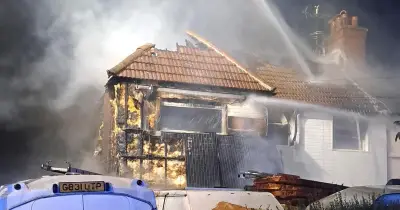
Meanwhile, at least 27 people were killed in a Russian attack on the Bucha district, which is close to Kyiv, on Saturday. Tymur Tkachenko, head of the local regional military administration, said at least 50 residential buildings were damaged in the attack, which also sparked a large-scale fire that spread to homes and a restaurant.
In a statement, Ukrainian President Volodymyr Zelenskyy said a warehouse had been struck in the village of Myla "followed by a detonation." He did not give details on the site, but wrote in the same message that criminal proceedings had been opened on charges of official negligence. Mr Zelensky said: "There are regulations in place – ammunition cannot be stored near homes or other residential areas."
Near constant air raids in Kyiv have reached their third day, choking the economy in the Ukrainian capital and severely disrupting civilian life more than four and a half years after Russia's full scale invasion of its neighbour.