Sister's 30-Year Fight to Keep Murdered Arlene Fraser's Memory Alive
The sister of a woman murdered by her husband nearly three decades ago has described the family's 'torturous journey' and unwavering determination to ensure her sibling is 'never forgotten'. This comes ahead of a powerful new BBC documentary that revisits one of Scotland's most haunting missing persons cases.
A Calculated Plan to Erase Memory
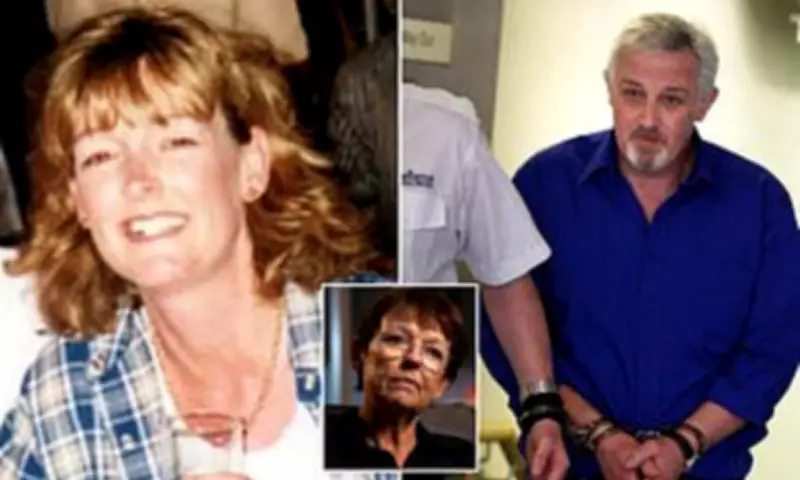
Carol Gillies, 63, believes part of Nat Fraser's sinister strategy was that people would 'soon forget' about her sister Arlene after he killed her and disposed of her body in 1998. The case sparked one of Scotland's largest and most persistent investigations, yet Fraser has never revealed the location of Arlene's remains.
'I feel he is counting on us tiring or giving up,' Mrs Gillies stated. 'But until Arlene's remains are located, I see it as my responsibility to ensure that Arlene is never forgotten.' She credits continued media coverage and dedicated detective work for ensuring interest in her sister's case has 'never faded' over the years.

Documentary Shines Light on Systemic Issues
Mrs Gillies agreed to participate in the BBC documentary 'Murder Case: The Hunt for Arlene Fraser's Killer', which airs tonight, to highlight critical matters such as violence against women and flaws in the parole process. Filming occurred last August, coinciding with her meeting Justice Minister Angela Constance to discuss Suzanne's Law.
This legislation, passed by the Scottish Parliament last year, mandates that killers disclose their victim's remains location or face lifetime imprisonment. While the law offers 'some hope' for closure, Mrs Gillies emphasized that 'further changes are needed', achievable only by listening to victims and their families.
A Family Denied Basic Rights
Arlene Fraser disappeared from her Elgin home on April 28, 1998, after waving off her two children, then aged 10 and five, to school. Her husband, Nat Fraser, was convicted of her murder in 2003 after a friend testified against him to avoid charges. That conviction was later quashed, but Fraser was retried in 2012 and found guilty of paying a hitman £15,000 to kill his wife.
His motive was to avoid a costly divorce and custody battle. To this day, Fraser refuses to disclose the whereabouts of Arlene's body, leaving Mrs Gillies and her elderly parents unable to give the mother-of-two a proper funeral. 'We feel incredibly sad that a life watching her children grow up has been taken from her by this brutal crime,' Mrs Gillies lamented.
Parole Concerns and Continued Advocacy
With Fraser due for parole in two years, Mrs Gillies expressed deep concern that the system might 'let us down'. Without information on Arlene's location, his release would represent a continuation of the crime and extinguish hope of ever finding her remains.
Former Detective Superintendent Alan Smith, who worked on the investigation and appears in the documentary, described the family's agony: 'They don't have a headstone, they don't have a grave that they can visit. That for me is an extension of the torture that Nat Fraser has exerted on this family.'
Unbreakable Determination
Despite fears of retraumatization, Mrs Gillies participated in the documentary to underscore the family's resolve. 'It is immensely comforting for the family to know that interest in Arlene has never faded,' she said. 'We are very grateful that people are still behind us and support our hunt for the truth.'
She acknowledged the documentary outlines the 'horrendous torturous journey' the murder has inflicted but praised police, media, and the justice system for overcoming hurdles to secure Fraser's conviction twice—despite the absence of a body.
Mrs Gillies continues to advocate for parole system reforms, supported by Detective Superintendent Smith's professional backing. 'Murder Case: The Hunt For Arlene Fraser's Killer' is available on BBC iPlayer, airing on BBC Scotland tonight at 9pm and BBC Two on Thursday at 9pm.