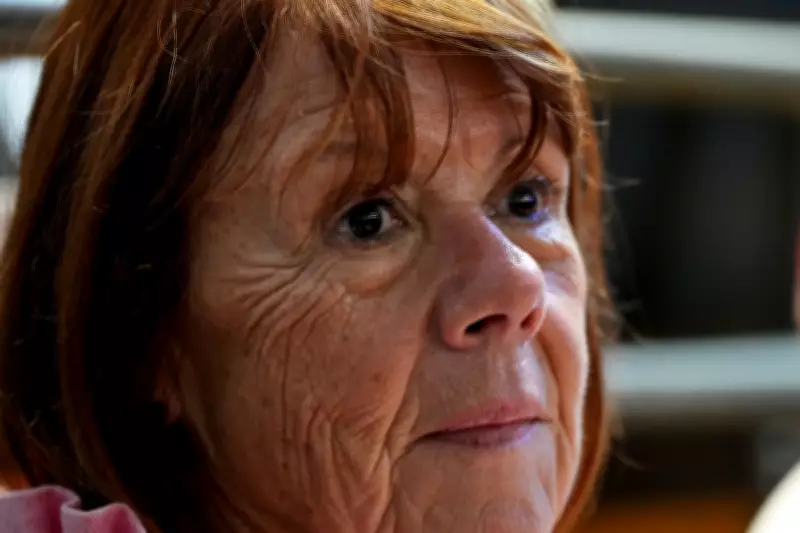
In a powerful gesture of solidarity, Queen Camilla has personally commended French rape survivor Gisele Pelicot for her "extraordinary dignity and courage" in the aftermath of a harrowing and extensive abuse case. The Queen's heartfelt letter of support arrived as Ms Pelicot continues to navigate the emotional fallout from the convictions of her former husband and dozens of other perpetrators.
A Decade of Abuse and Landmark Convictions
The case centred on Dominique Pelicot, Ms Pelicot's ex-husband, who was sentenced to 20 years in prison for drugging and raping her, as well as facilitating assaults by other men over a period of nearly ten years. In total, 50 men were convicted in connection with the systematic abuse, with 47 found guilty of rape. The combined prison sentences handed down amounted to an astonishing 428 years, marking one of the most significant legal outcomes in recent memory for such crimes.
Waiving Anonymity to Shift the Blame
In a bold and courageous move, Gisele Pelicot chose to waive her legal right to anonymity, publicly declaring that the shame and stigma should rest squarely on her abusers, not on herself as a victim. This decision has been widely praised by advocates and supporters, highlighting her determination to reclaim her narrative and challenge societal attitudes towards sexual violence survivors.

Queen Camilla's Advocacy and Support
Queen Camilla, a long-standing and vocal campaigner against domestic violence and sexual abuse, has dedicated a substantial portion of her royal charity work to supporting victims of sexual assault. Her letter to Ms Pelicot underscores this commitment, offering not only words of comfort but also a royal endorsement of the survivor's resilience. The Queen's involvement brings significant public attention to the ongoing struggles faced by abuse survivors and the importance of victim support networks.
Ms Pelicot's Emotional Response
Gisele Pelicot has described herself as "overwhelmed" by the personal letter from Queen Camilla, noting that such recognition from a prominent public figure has provided a profound sense of validation and strength. Her story, once shrouded in secrecy and pain, now serves as a powerful testament to the possibility of justice and healing, even in the face of extreme adversity.
The case continues to resonate widely, sparking conversations about legal protections for survivors, the role of public figures in advocacy, and the enduring impact of sexual violence. As Ms Pelicot moves forward, her courage and the Queen's support stand as beacons of hope for countless others affected by similar traumas.