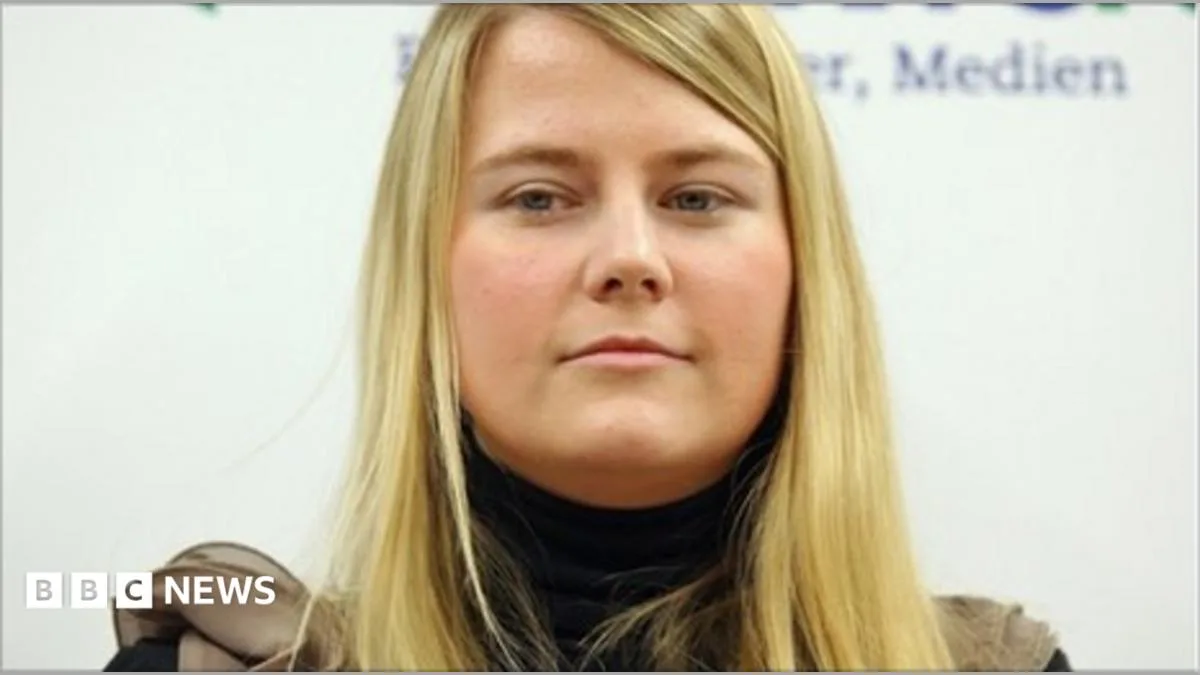
Natascha Kampusch's Ongoing Struggle 20 Years After Basement Escape
Kampusch's Health Crisis After 8-Year Kidnapping Ordeal

The Abduction That Shocked Austria

On March 2, 1998, ten-year-old Natascha Kampusch set off for school in Vienna, with her mother watching from their balcony as she always did to wave goodbye. This routine morning would become the last time her mother saw her for eight long years. Natascha never reached her destination. Instead, she was abducted on the street, forced into a white van, and taken to a hidden basement dungeon in Strasshof, a quiet suburb of Vienna.

Her captor was Wolfgang Přiklopil, a technician in his thirties who lived in his mother's home. He imprisoned Natascha in a windowless concrete cell measuring just five by five metres beneath a garage. Over the next eight years, she endured unimaginable horrors, including beatings, rape, starvation, and psychological torture.

A Calculated Survival Strategy

Even in those first terrifying moments, Natascha demonstrated remarkable presence of mind. As she lay in the van, she began asking Přiklopil questions about his shoe size, age, and marital status. "I knew from watching Aktenzeichen XY… ungelöst [an Austrian crime show] that you must get as much information about a criminal as possible," she later explained.

Wide Pickt banner — collaborative shopping lists app for Telegram, phone mockup with grocery list

She attempted to maintain some semblance of normality, asking her captor to tuck her in bed and tell her a goodnight story. "Anything to preserve the illusion of normality. And he played along," she recalled in her memoir.

Years of Systematic Abuse

Přiklopil subjected Natascha to brutal physical and psychological abuse. She was beaten up to 200 times weekly, sexually assaulted, forced to clean the house naked, and humiliated repeatedly. Her hair was shaved, and she was made to cook while heavy objects were hurled at her.

The captor emotionally manipulated her, claiming her parents refused to pay a ransom for her return. She was ordered to call him "My Lord" or "Maestro" and kneel before him. Přiklopil, who wanted her as what he called a "beautiful Aryan servant," appeared to be craving attention and companionship.

The Complex Psychology of Captivity

Despite the abuse, Natascha described moments when Přiklopil showed unexpected vulnerability. One night when he bound her wrists and pulled her toward him in bed, she feared rape but instead found him seeking comfort. "The man who beat me... wanted to cuddle," she wrote.

She came to see him as a "loner with no friends, no workmates; only his mother, and me," someone looking for "a perfect woman or wife and a perfect life." This complex dynamic contributed to what observers later identified as Stockholm Syndrome.

The Long Road to Freedom

Two years into her captivity, Natascha had a vision of her 18-year-old self and made a promise: "I will get you out of here, I promise you. Right now you are too small. But when you turn 18 I will overpower the kidnapper and free you from your prison."

During her nearly decade-long imprisonment, she was taken on 13 day trips, including visits to an empty rental flat, a ski resort, a chemist, and a hardware shop. Despite these outings, she admitted regressing to the emotional state of a "dependent toddler," asking to be tucked in and read bedtime stories.

Her escape finally came in August 2006 when Přiklopil took a phone call. She sprinted from the house and begged passers-by to call the police. After initially being ignored, she banged on a neighbour's door until help arrived.

Aftermath and Ongoing Struggles

Upon learning of her escape, Přiklopil confessed to a friend before laying himself on railway tracks. His headless corpse was later found on the line. Natascha later admitted feeling guilt about his death, telling The Guardian: "I mourn for him. Had I met him only with hatred, that hatred would have eaten me up and robbed me of the strength I needed to make it through."

Adjusting to freedom proved immensely difficult. She faced harassment from stalkers, received hate mail including marriage offers, and was even abused by strangers in the street. Conspiracy theories emerged claiming she was responsible for her own imprisonment or profiting financially from her ordeal.

Pickt after-article banner — collaborative shopping lists app with family illustration

Authorities investigated her kidnapping five times with FBI assistance, while her mother faced court accusations of complicity. One private investigator even accused her mother of murder.

Rebuilding and New Challenges

Natascha eventually pieced her life together, writing a book titled 3,096 Days (which was adapted into a film), presenting a TV talk show, and even purchasing the Strasshof house where she was imprisoned to prevent it becoming a "shrine for crazy fans."

However, her family now reveals she faces serious mental health challenges that have left doctors "overwhelmed." As the 20th anniversary of her escape approaches, her sister Claudia Nestelberger says she appears to be "in a kind of prison again."

In a new documentary by Austria's public broadcaster ORF, her sister noted: "Everyone knows how Natascha used to speak in front of the camera. That's completely gone now." Her psychiatrist Ernst Berger confirmed she has regressed to a state similar to how she was immediately after her escape.

The head of the commission investigating her kidnapping, Ludwig Adamovich, once controversially claimed she had a better life in captivity than before, resulting in a €10,000 defamation fine. Natascha herself revealed she was a compulsive eater, depressed, and lonely at age 10, dreaming about suicide moments before her abduction.

Now 38, Natascha Kampusch's journey continues, marked by both remarkable resilience and ongoing psychological battles that remind the world of the lasting trauma inflicted by her eight-year nightmare.