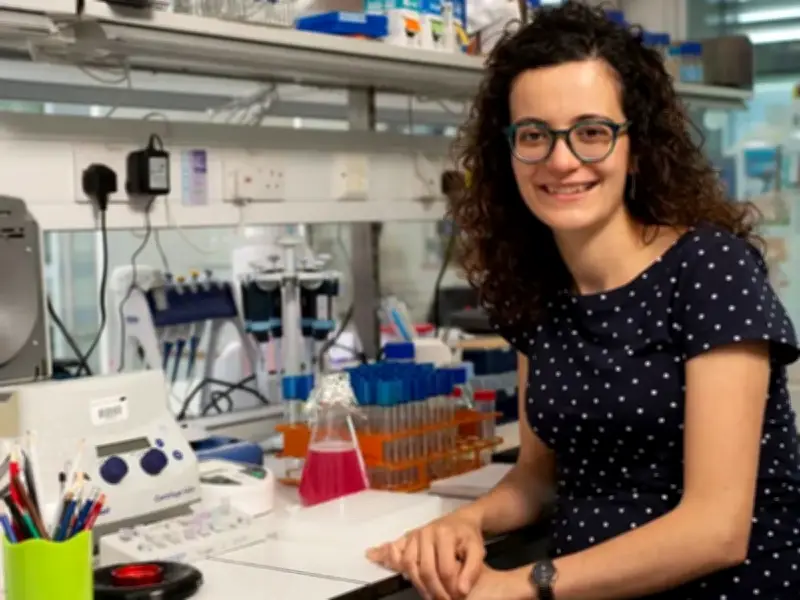
Dr Marta Shahbazi, 41, a Cambridge University scientist and mother of two, has been confirmed as one of the 69 people killed in a high-speed train crash in Spain. She was travelling in the front carriage of a high-speed train when it collided with another train on Wednesday, with her death later confirmed by a biomedical research institute.
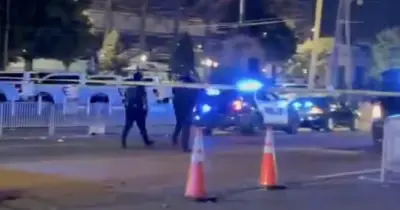
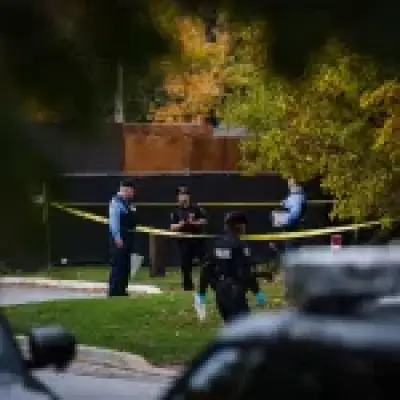
The Renfe AVE train smashed into an Iryo train at around 9am on Wednesday in Toledo, sending carriages derailing down an embankment. Marta's family said they were "clinging onto final hope" up until Friday as the professor remained missing after the train crash. Sadly, the authorities confirmed the 41-year-old had died.
Victim was travelling to receive a prize
The mum-of-two, born in Spain, had been travelling to Huelva to receive a prize from the Spanish Society for Developmental Biology due to her research and studies on stem cells and the early stages of human development. She is survived by her husband, Mirco Petruzzelli, their son, Dario, age three, and daughter, Alma, age seven.
Marta had visited her research professor brother Carlos Shahbazi at his home in Madrid after travelling to Spain from their home in Cambridge. Her children were due to meet up with her at a beach resort near Huelva after the event.
Tributes from research community
A premier biomedical research institute based in the Galician cathedral city of Santiago de Compostela confirmed Marta's death as it offered condolences to her scientist aunt, Maria Jose Alonso. The Centre for Research in Molecular Medicine and Chronic Diseases (CiMUS) said in a statement posted online: "The CiMUS community would like to express its support and deepest sympathies to our dear PI María Jose Alonso, following the death of her niece, Marta Shahbazi, in the railway accident that occurred on 28 October.
"Marta was a brilliant young researcher, Group Leader at the MRC Laboratory of Molecular Biology and Affiliate Associate Professor at the Cambridge Stem Cell Institute, University of Cambridge. At this difficult time, we extend our heartfelt condolences to María Jose and her family, as well as to Marta Shahbazi's colleagues and collaborators. Our thoughts are with them all, and we wish them strength and comfort as they come to terms with this profound loss."
Prior to the tragic news, Marta's brother Carlos told Spanish newspaper El Pais: "The odds are very slim but we are clinging to a final shred of hope. My sister Marta is a wonderful, affectionate and happy person, and a tireless worker."
Identification of victims ongoing
The Data Integration Centre, a specialised, temporary forensic authority established immediately after a major mass-casualty disaster, said 56 of the 69 people killed in the crash had been identified. They include 54 Spaniards and French and Portuguese nationals. The remainder, all believed to be foreign nationals, are expected to be identified in the coming hours.
Officials said 52 of the 56 identifications had been carried out through fingerprints and the rest through DNA tests. The families of 51 of the victims - 33 men and 18 women - have been officially notified of their deaths.
Two Australians, a Canadian, four Americans and a Mexican are among the foreign nationals who have been reported missing and are feared dead. Among the victims includes 59-year-old former Spanish government minister Fatima Banez. She was Minister of Employment and Social Security from December 2011 to June 2018, when a vote of no-confidence against former PM Mariano Rajoy ousted the government.
Scientist Tamara Gonzalez, 31, who worked at Vienna's Institute of Molecular Biology, has been named as another who died. The Civil Guard also confirmed one of its officers died in the crash, identified as 31-year-old Jose Manuel Chacon.
Investigation and national mourning
Three days of national mourning were declared in the aftermath of the crash. While an investigation remains ongoing, Transport Minister Oscar Puente said it appears a 'human error' by an operator for the state-owned railway infrastructure company Adif was responsible, due to a computer malfunction.