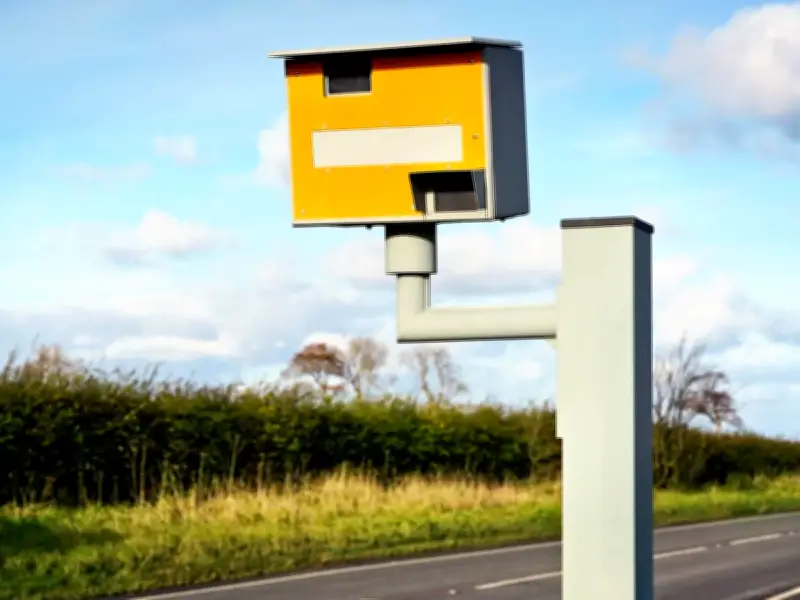
A common belief among drivers is that speeding is permissible in an emergency, but lawyers have clarified that UK law makes exceeding the speed limit an offence in all circumstances. A poll conducted earlier this year found that 68 per cent of people believe it is acceptable to break the law during emergencies, including parking on double yellow lines, speeding, and using bus lanes.
What the law says
Barrister Daniel J. ShenSmith addressed this misconception in 2023, noting that some individuals believe it is acceptable to speed if they are "in a hurry for some reason", or in situations such as hospital trips or being late for "some kind of appointment". However, he made clear in a video on his BlackBeltBarrister YouTube channel that the Road Traffic Regulation Act 1984 makes it an offence to exceed the speed limit "in any circumstances".
Section 89 of the Act outlines the main summary offence, stating that a person who drives a vehicle on a road at a speed exceeding a limit "imposed by" or "under any enactment to which this section applies" shall be guilty of an offence. Minor speeding offences can be dealt with through a fixed penalty of a minimum of £100, a minimum of three points on your licence, and/or, in certain cases, a speed awareness course. In more serious cases, police may issue a summons to court, though corroborating evidence of speeding is required.
The Highway Code and exemptions
Rule 124 of the Highway Code stipulates that you "MUST NOT exceed the maximum speed limits for the road and for your vehicle." A speed limit of 30 mph (48 km/h), or 20 mph (32 km/h) in Wales, generally applies to all roads with street lights (excluding motorways) unless signs show otherwise.
Emergency vehicles are exempt from this rule, specifically fire and rescue, ambulances and police, where "observance of that provision" would likely "hinder" the use of the vehicle for the purpose for which it is being used on that occasion. As Fosse Law Solicitors points out, "no one else is permitted" to break the UK speed limits under any circumstances, as outlined in UK law and The Highway Code.
Mitigation and penalties
ShenSmith added that while an emergency might be a mitigating factor if you were taken to court for speeding, it remains insufficient as a defence and may only amount to "mitigation that somebody might take pity on you for", depending entirely on the specific circumstances of the incident. He added that it is "probably not going to make that much of a difference at all".
Quentin Hunt Solicitors explains that should you be found guilty in court, magistrates have the power to impose fines reaching £2,500, six penalty points, and potentially even disqualification. The firm states on its website: "You can try to mitigate the sentence in a number of ways. Commonly, drivers seek to show that they were speeding due to an emergency, or that they will face exceptional hardship if they are disqualified."