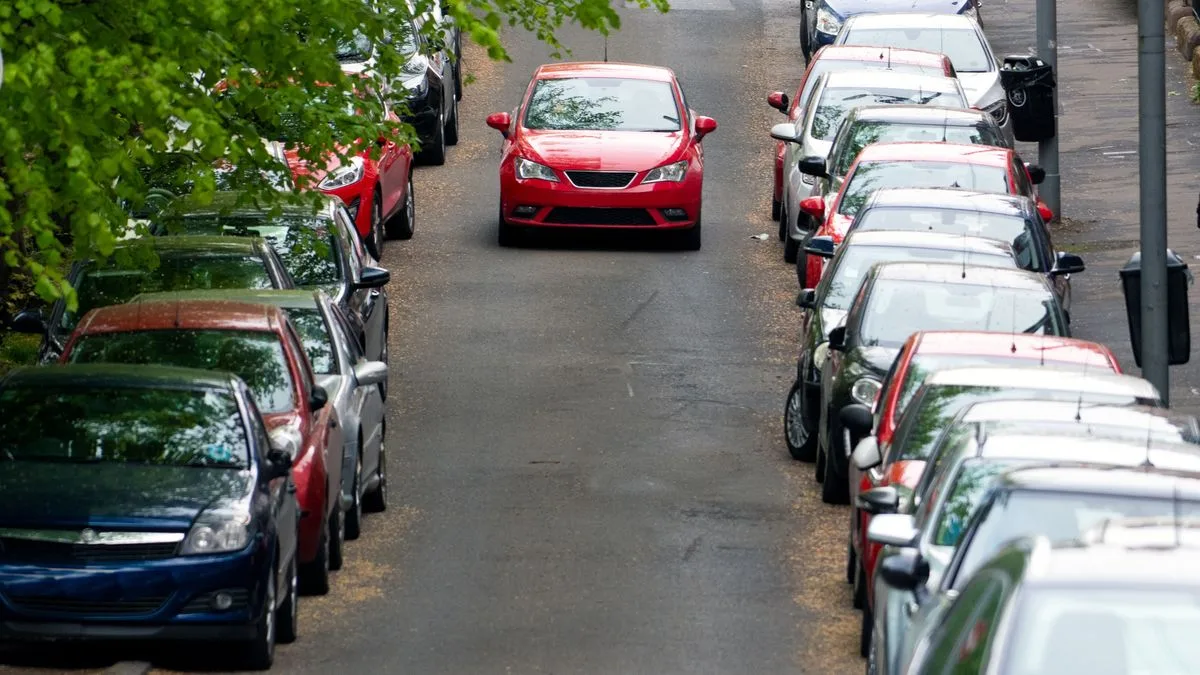
Motorists are being warned that using traffic cones to reserve a parking space on public roads is illegal and could lead to fines or even imprisonment. With a record 34.4 million licensed cars in the UK, competition for roadside parking is fierce, prompting some residents and business owners to resort to this tactic.
Under the Highways Act 1980, placing cones on the road without permission from the local council or police is an offence. Section 137 states that wilfully obstructing the highway without lawful authority can result in a prison term of up to 51 weeks, a fine, or both. Local authorities emphasise that public highways are for the passing and repassing of traffic, not private use.
Unauthorised use of traffic cones can also lead to fines ranging from £100 to £1,000 under the Highways Act 1980 or the Road Traffic Regulation Act 1984, according to OPT Signs. Only councils, police, or licensed traffic management contractors may legally place cones.

If you encounter an unauthorised cone, you may remove it only when it is safe to do so on a low-speed, low-traffic road. However, taking the cone to keep could constitute theft under the Theft Act 1968. The Highway Code advises reporting obstructions to the local council or National Highways rather than taking matters into your own hands.