
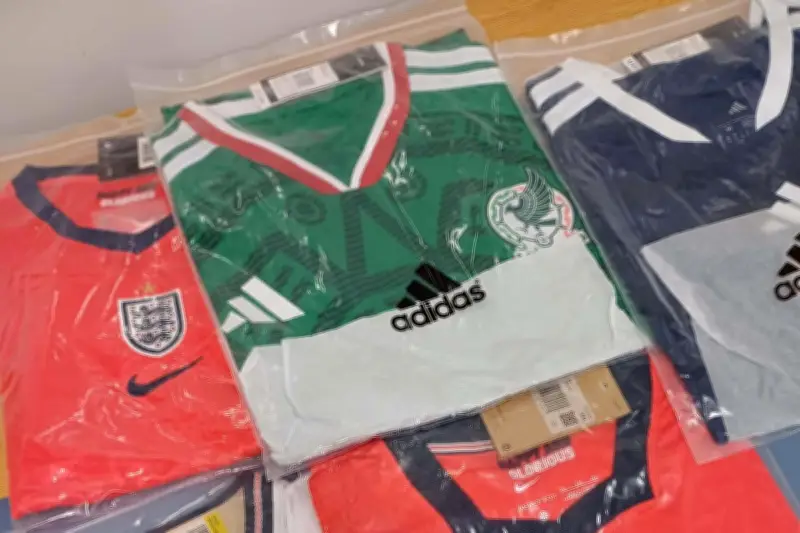
Counterfeit World Cup football shirts and kits with a genuine retail value of £18.5 million have been seized in an operation led by the City of London Police. Officers have removed more than 220,000 fake shirts from sale since January 2026 as part of a nationwide enforcement effort directed by the force's Police Intellectual Property Crime Unit (Pipcu).
Arrests and methods
Four people were arrested by Pipcu on suspicion of selling counterfeit shirts, and two further arrests were made by other police forces. The operation targeted online marketplaces, live shopping apps, and traditional market stalls, as offenders increasingly use tech platforms to sell fake goods.
Police warned that counterfeit shirts are produced in unsafe conditions and may contain harmful materials that fail safety standards, while profits fund criminal operations.
Official warnings
Detective Chief Inspector Amanda Lowe, head of Pipcu, said: “Counterfeit football shirts aren’t a harmless bargain, they are a key revenue stream for organised crime groups, helping to mask and fund the criminality happening behind the scenes. As World Cup fever began to build, partners across the country came together to tackle this ever-growing issue. Our aim was simple; to ensure fans enjoyed the tournament and supporting their team in a shirt that’s safe and legitimate.”
Helen Barnham, head of enforcement engagement at the Intellectual Property Office, added: “This is anything but a victimless crime. The trade in counterfeit goods is estimated to cost thousands of jobs in the UK each year and supports other forms of serious crime – harming legitimate businesses, society and the wider economy.”
A Football Association spokesperson advised fans to avoid counterfeit products, noting that brand abuse and counterfeiting negatively impact the FA’s role as a not-for-profit organisation that funds all levels of the national game.
Advice for buyers
To spot a fake shirt, buyers are advised to check the price, inspect stitching around the neckline and badge, examine fabric quality and fit, ensure logos and tags match the manufacturer, and verify that the swing tag includes a unique product code sticker. Handwritten numbers on care labels may also indicate a counterfeit. Purchasing from official retailers or club stores, verifying website security, and being cautious of sites using official photos without clear credentials is recommended.




