Diver's UFO Discovery Sparks Hunt for Lost Cold War Nuclear Bomb
Diver's UFO Find Triggers Lost Nuclear Bomb Investigation

Diver's Underwater UFO Sighting Unearths Cold War Mystery

While searching for fish off the coast of British Columbia, diver Sean Smyrichinsky encountered a bizarre UFO-shaped object submerged in the Pacific Ocean. This startling discovery has ignited a Canadian military investigation into a potentially lost US nuclear bomb dating back to 1950, raising alarms about historical nuclear hazards lurking in the deep.

From Fish to Frightening Find

Sean Smyrichinsky was concluding a routine dive near Haida Gwaii, an archipelago 80 kilometres west of British Columbia, when he stumbled upon an extraordinary sight. He described the object as a massive 12-foot-long structure resembling a bagel cut in half, adorned with bolts larger than basketballs moulded into its surface. Initially convinced he had found a UFO, Smyrichinsky surfaced and excitedly shared his discovery with his crew, sketching the outline on a napkin to illustrate the peculiar find.

"It was the strangest thing I had ever seen," Smyrichinsky recounted, highlighting his disbelief at encountering such an anomaly in the remote waters. His account prompted local speculation, with an older resident suggesting he might have located a long-lost bomb, setting off a chain of events that would draw in national defence authorities.

Cold War Relic Resurfaces

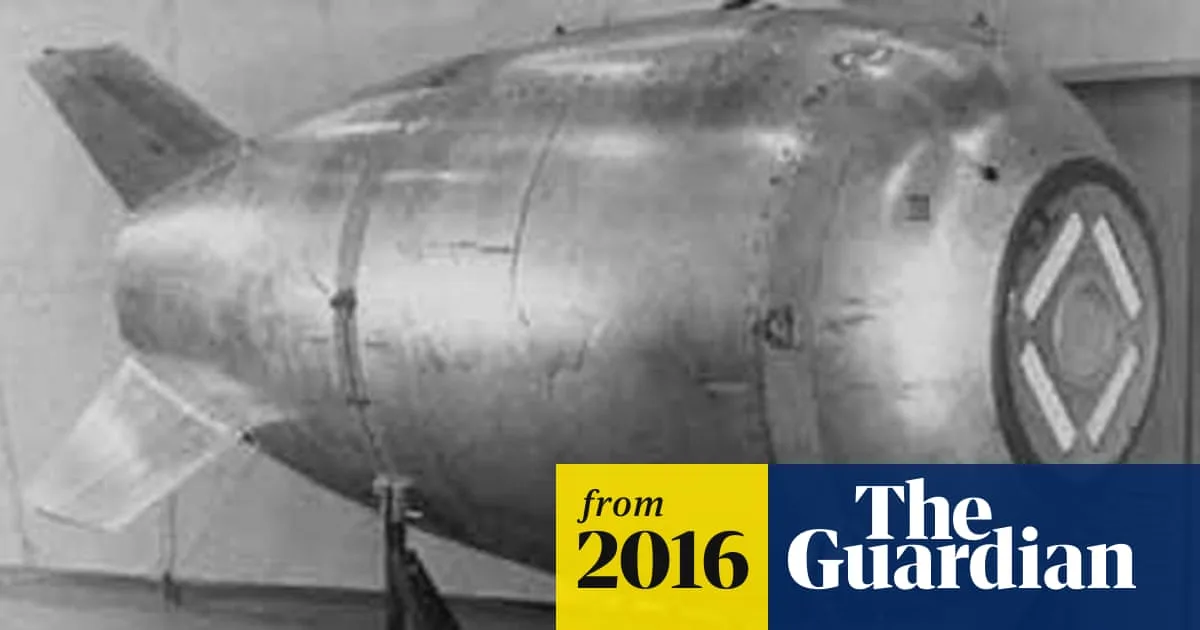
The object is believed to be linked to a Mark IV nuclear bomb, a 10-foot, blimp-shaped weapon weighing approximately five tonnes that vanished during a US Air Force B-36 training flight on February 13, 1950. According to historical records, the bomber departed from Alaska on a mission simulating a drop on San Francisco when three of its six engines caught fire. The crew ejected the bomb into the Pacific before abandoning the aircraft, which later crashed into Canadian mountains, with 12 of the 17 men aboard surviving.

The US military has consistently claimed the lost bomb was a dummy capsule filled with lead, lacking the plutonium core necessary for a nuclear explosion. However, this assertion mirrors similar cases, such as a 1958 incident where a B-47 dropped a Mark 15 hydrogen bomb near Tybee Island, initially labelled a dummy but later revealed in 1994 documents to be a fully intact nuclear weapon.

Military Mobilises for Investigation

Intrigued by Smyrichinsky's report, Canada's Department of National Defence responded with "keen interest," leading to a formal announcement in 2016 that a vessel would be dispatched to examine the object. The Canadian government reiterated the US claim that the bomb was a dummy but emphasised the need for certainty, stating, "Nonetheless we do want to be sure and we do want to investigate it further." A specialised team focusing on unexploded ordnance was tasked with assessing any potential risks and deciding whether to retrieve the object or leave it undisturbed.

Smyrichinsky, after researching online, confirmed the resemblance between his find and images of the Mark IV bomb, noting the distinctive spheres housing explosives. He reflected, "I'm right in the right area and it looks like it could be a piece of that thing. What else could it possibly be? I was thinking UFO, but probably not a UFO, right?" This incident underscores the broader issue of "broken arrow" incidents—US military terminology for accidents involving nuclear weapons—with six nuclear warheads still unaccounted for globally, each capable of devastating entire cities.

Broader Implications and Historical Context

This discovery highlights ongoing concerns about lost nuclear arsenals from the Cold War era, as global tensions fuel scrutiny over such hazards. The investigation into Smyrichinsky's find not only revisits a decades-old mystery but also raises questions about transparency and safety regarding historical military operations. As authorities delve deeper, the outcome could shed light on other potential threats hidden beneath the ocean's surface, reminding us of the enduring legacy of past conflicts in today's world.