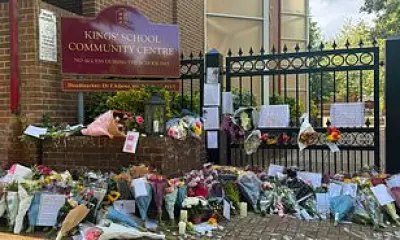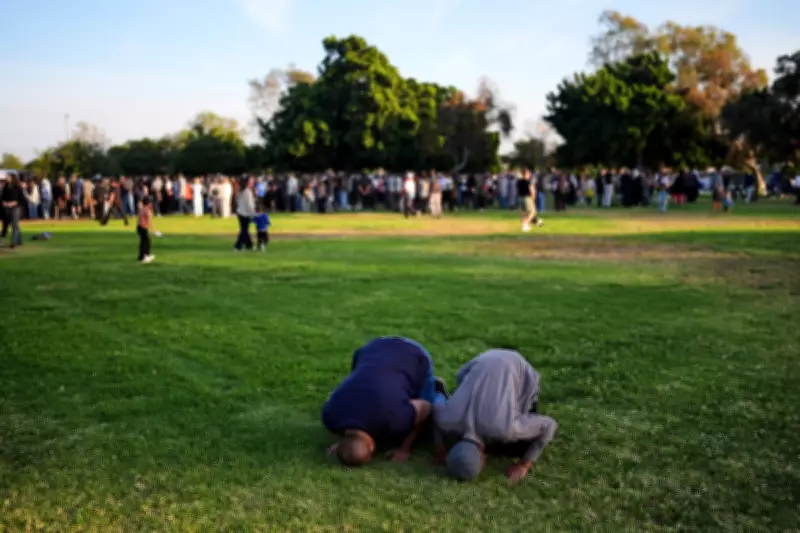
The teenagers who attacked the Islamic Center of San Diego this week, killing three men before taking their own lives, explicitly cited the 2019 Christchurch mosque massacre as their inspiration, according to authorities and extremist researchers. The attack underscores a troubling trend of copycat violence fueled by online extremism.
Attack Details and Perpetrators
Cain Clark, 17, and Caleb Vazquez, 18, stormed the Islamic Center on Monday, armed with firearms. They were driven back by security guard Amin Abdullah, who exchanged gunfire with them while initiating a lockdown that protected 140 children inside. The pair killed Abdullah and two other men before fatally shooting themselves in a nearby vehicle.
Writings and Ideology
The assailants left a 74-page document, matching the length of the manifesto by Christchurch shooter Brenton Tarrant. In it, they expressed hatred toward Jews, Muslims, LGBTQ+ individuals, Black people, women, and both political left and right. They called themselves the “Sons of Tarrant” and aimed to accelerate societal collapse. Vazquez wrote of mental health issues and rejection by women.

Researchers note that the Christchurch attack, which killed 51 people and was livestreamed, has become a template for far-right extremists. Katherine Keneally of the Institute for Strategic Dialogue said there is an “obsession” with emulating high-casualty attacks, describing it as “gamifying violence.”
Contagion of Extremism
Brian Levin, founding director of the Center for the Study of Hate and Extremism, explained that while white supremacist writings have long provided blueprints, the internet amplifies their reach. Since the 2011 Norway attacks by Anders Breivik, manifestos have become common, often quoting earlier extremist texts. This creates a “continuing chain of extremism” that signals resilience and inspires new actors.
The attack is the latest in a series on houses of worship, as threats and hate crimes against Muslim and Jewish communities have risen since the Middle East conflict began. Keneally expressed concern that media coverage, while necessary, risks spreading the contagion. She urged focus on how social media leads youth down extremist paths.
Contrasting Inspiration
While hate inspired the attackers, it motivated security guard Amin Abdullah in a different way. Friend Khalid Alexander said Abdullah, increasingly concerned about anti-Muslim rhetoric from politicians, chose his dangerous job precisely to protect the community. “He recognized the correlation between hate speech and threats,” Alexander said.