A brutal and expanding Islamic State-linked insurgency in northern Mozambique has forcibly displaced more than 300,000 people since July 2024, compounding a years-long crisis that has now seen over one million uprooted from their homes. As global attention and aid funds are diverted to conflicts in Ukraine, Gaza, and Sudan, the plight of Mozambican civilians is worsening, with violence against them on the rise and a critical shortage of international support.
A Conflict Forgotten and a Stalled Military Response
The insurgency, led by the Islamic State-Mozambique affiliate, began in October 2017 with attacks in Mocímboa da Praia, Cabo Delgado province. It captured world headlines in March 2021 following a devastating assault on the town of Palma, which killed over 600 people, including foreign workers linked to a major liquefied natural gas (LNG) project.
In response, Rwanda deployed 1,000 troops in July 2021, later expanding its contingent to an estimated 4,000-5,000 personnel. While initially successful in pushing militants back, the effectiveness of the joint Rwandan and Mozambican military effort has waned. Researcher Tomás Queface noted that Rwandan forces are no longer patrolling as actively, and the Mozambican government is attempting to take the lead in operations.

This shift coincides with a surge in violence. In November 2024 alone, more than 100,000 people were displaced as operations pushed insurgents south into Nampula province, marking their furthest incursion to date.
Mounting Civilian Toll and Shrinking Humanitarian Aid
The human cost of the conflict is staggering and increasing. The Armed Conflict Location and Event Data Project (Acled) has recorded 549 deaths in 302 attacks so far this year, with more than half of the victims being civilians. The civilian death toll of 290 represents a 56% increase compared to last year. Since the conflict's start, nearly 2,800 civilians have been killed.
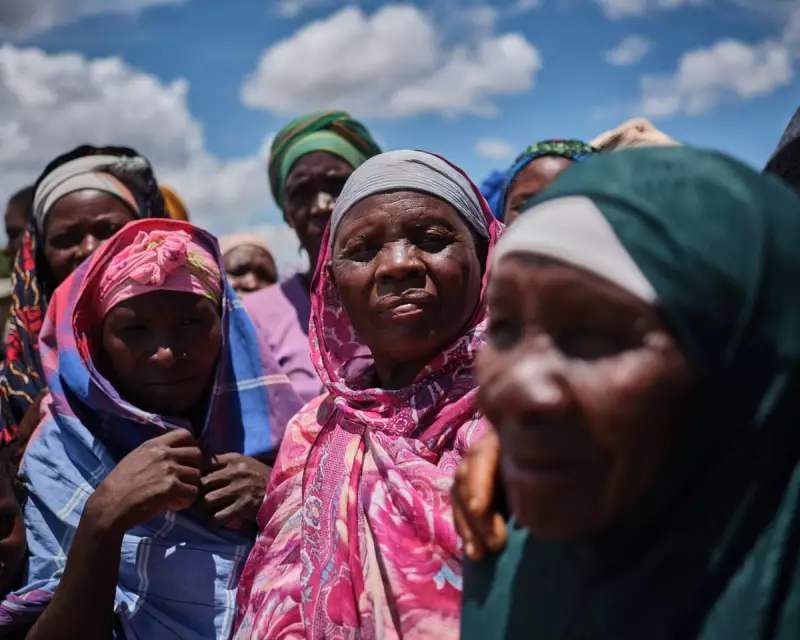
Displaced populations, particularly women and children, face extreme vulnerability. Sheila Nhancale of Human Rights Watch highlighted that of the 100,000 displaced in November, 70,000 were children, who are at heightened risk of sexual violence, exploitation, and abuse. The insurgents have also intensified the abduction of children for forced labour, marriage, and combat.
Compounding the crisis, international humanitarian funding is falling short. Donors have provided just $195 million this year—only 55% of the estimated need—down from $246 million in 2023. Sebastián Traficante of Médecins Sans Frontières described displaced people living in "very poor conditions" with minimal access to basic services, their lives shattered by eight years of conflict.
Dialogue Promised but Progress Elusive
Mozambique's new President, Daniel Chapo, who took office in January 2024, has expressed a desire for dialogue with the insurgents. However, analysts remain sceptical about the government's commitment to a political solution. Borges Nhamirre of the Institute for Security Studies stated that after eight years, "there are no effective initiatives of dialogue."
Nhamirre also pointed to a perceived prioritisation of economic interests over human security, suggesting military efforts have been more focused on securing the multi-billion-dollar Total LNG project than protecting civilians. "If the objective is to secure the LNG project, then they have achieved some success," he noted, contrasting it with the ongoing failure to guarantee safety for the broader population.
As the insurgency enters its eighth year with renewed ferocity, the people of Cabo Delgado and now Nampula are caught between militant violence, an ineffective military strategy, and an indifferent world. Their simple desire, as voiced by aid workers, is to return home, farm their land, and live a normal life—a prospect that grows more distant with each new wave of displacement.