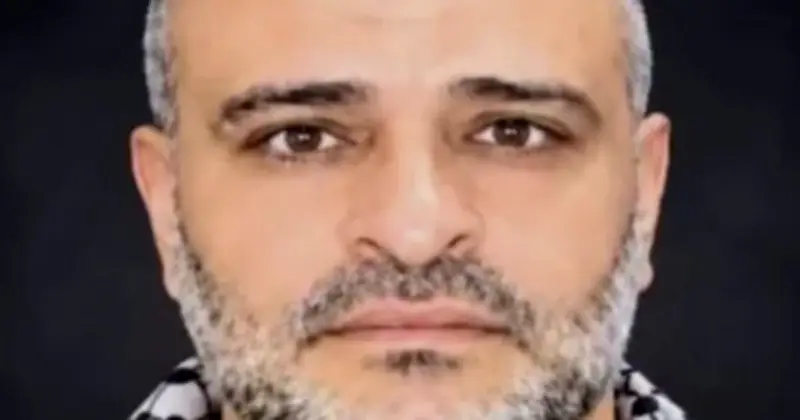
The Israel Defense Forces (IDF) confirmed it eliminated Samir Mahmoud Hassan Abu Younis, head of Hamas's Rafah Brigade, in a targeted overnight operation in the Gaza Strip. Abu Younis had been in charge of the brigade for barely two months after replacing previous chief Nael Abu Obeid, who was killed on September 15.
Hamas confirms death of senior commander
Hamas was forced to confirm the death of the veteran commander in an obituary posted on Telegram, admitting he sat on the group's general military council. The terror group revealed Abu Younis was one of the "founding generation of the al-Qassam Brigades," having joined its ranks back in 1991.
A Hamas statement admitted: "He was among the most senior commanders involved in planning and overseeing the October 7 attack."
IDF blitz on Hamas leadership
Abu Younis's elimination is the latest in a relentless IDF campaign against Hamas leadership. Over the past week alone, Israeli troops say they have wiped out more than 10 terrorists who advanced attacks against IDF troops and Israeli civilians and operated to restore the group's capabilities.
Among those taken out were Muhammad Ata Zaki Kishawi, a member of Hamas's Nukhba force that stormed Israel on October 7, 2023, weapons manufacturer Ali Na'im Aish Abu Asei of the Saif al-Islam faction, and Hani Ibrahim Said Khudri, a supply commander in the Sabra Battalion who also took part in the 2023 atrocities.
Wider conflict and ceasefire deadlock
Israel has committed to a campaign to hunt down every terrorist involved in the October 7 slaughter or the kidnapping of Israeli hostages. In a joint statement in September, Prime Minister Benjamin Netanyahu and Defence Minister Israel Katz warned: "We will continue to hunt and pursue all of the organisation's terrorists, from its commanders down to its last operative, wherever they may hide – until Hamas no longer exists in Gaza."
Under the terms of an October 2025 ceasefire deal, Hamas is supposed to disarm and hand over control of Gaza to a panel of Palestinian technocrats backed by a new police force and an International Stabilisation Force, while Israel gradually pulls back its troops. However, the fragile truce remains deadlocked, with both sides refusing to move forward with the second phase and trading accusations of ceasefire violations.
The conflict was sparked on October 7, 2023, when thousands of Hamas-led gunmen breached the border and slaughtered around 1,200 people in southern Israel – mostly civilians – while dragging 251 hostages back into Gaza. Israel's subsequent military campaign laid waste to much of the enclave, killing tens of thousands of Palestinians and displacing nearly the entire population of 2.3 million before the US-brokered truce paused full-scale fighting in October 2025.
While Hamas handed back the final hostages earlier this year under the first stage of that agreement, the group has refused to lay down its arms, leaving Israeli forces holding roughly two-thirds of Gaza and continuing targeted strikes whenever militants attempt to regroup. The Gaza war and the clash between the US, Israel and Iran are separate conflicts, but they are dangerously intertwined, as Hamas is backed by Iran and any flare-up or stalled peace deal on one front sends shockwaves through the other.