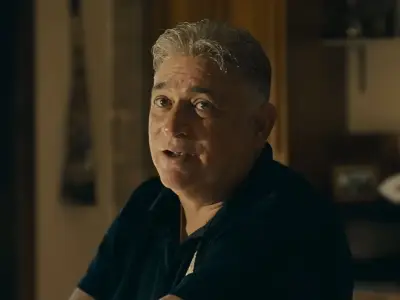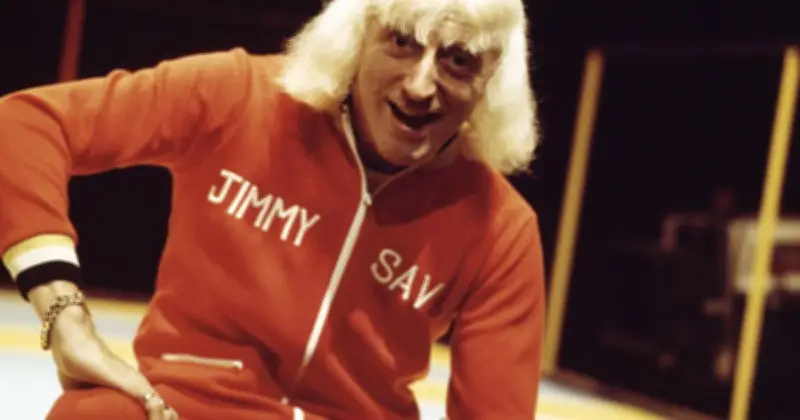
Investigative journalist Meirion Jones, whose Newsnight investigation into Jimmy Savile was pulled days before broadcast, has said BBC chiefs knew about allegations surrounding the presenter decades before his crimes were exposed. He accused the corporation of protecting its star rather than confronting claims of sexual abuse.
BBC Knew at a High Level
Jones said the BBC had received complaints about Savile in the 1970s, when he was one of the most recognisable faces in British entertainment. He stated: "Organisations like the BBC knew at a very high level."
According to Jones, the BBC became concerned that allegations might emerge publicly, prompting Radio 1 and Radio 2 to send a press officer around Fleet Street to ask newspapers whether they intended to publish stories about the presenter. Jones recalled the newspapers' response: "They all know the rumours, but he's very powerful, he does a lot of charity work, we're not going to run it."
Savile's Meeting and One-Room Flat
Jones described how Savile was called into a meeting after reports that he had been taking underage girls to his flat near Broadcasting House. Savile claimed he was taking the girls off the streets to protect them from "evil people" and insisted they slept in a separate room. Jones said: "In fact, if they checked, he only had one room."
He added that Ian Trethowan, who was in charge of radio at the time and later became the BBC's director-general, would have known about the inquiries. Jones argued the corporation had enough information to stop Savile working with children, even if it did not believe it had sufficient evidence for a criminal case. He said: "They certainly had enough to not want to employ him with kids any more."
Value as a Television Star
Jones said the BBC's failure to act was driven by Savile's value as a television star, with his hit programme Jim'll Fix It attracting huge audiences. He said: "It was worth too much to them. Jim'll Fix It was the biggest show on British television."
Savile's reputation also gave him access to powerful figures, including members of the Royal Family and former prime minister Margaret Thatcher. Jones said he believed organisations and senior officials knew about concerns surrounding Savile, although he did not believe Thatcher or the then Prince Charles necessarily knew the full extent of his offending.
Jones recalled seeing Savile at a residential institution for young female offenders run by his aunt when he was a teenager. He remembered the presenter's Rolls-Royce parked outside and said Savile used his familiar catchphrases and gestures to create a "screen" around himself. He later remembered seeing Savile drive away with girls under 16 in his car without a member of staff accompanying them. Jones said: "I didn't think he was evil, but I thought he was hiding something."
Investigation Pulled and Aftermath
Jones said his investigation gathered accounts from former residents of Duncroft, a girls' school where Savile had access to vulnerable teenagers, before uncovering allegations connected to other locations, including Stoke Mandeville Hospital and the Channel Islands. The Newsnight investigation was stopped about a week before its planned transmission in December 2011, while the team was already editing the report.
Jones said the BBC had been preparing a series of tributes to Savile over Christmas, including programmes on BBC One, BBC Two and Radio 1. He described the competing plans as "two trains on the same track going straight towards each other". Jones said: "One of them had to be stopped. They stopped us."
The subsequent Pollard inquiry concluded that Newsnight had possessed a story that should have been broadcast, according to Jones, but failed to establish why it had been abandoned. Jones said he and reporter Liz MacKean faced difficulties in their careers after the investigation was halted, arguing that the episode sent a warning to other journalists. He said: "It wasn't just revenge; it was sending a message to whistleblowers: 'We do not want you making allegations against our big talent.'"
Jones has called for mandatory reporting laws that would require people told about allegations of rape or sexual assault to report them. He said: "If you knew you were going to go to prison if you covered it up, that would make a difference."
Dame Janet Smith was appointed by the BBC in 2012 to conduct an impartial, thorough and independent review of the culture and practices of the BBC during the years that Jimmy Savile worked at the Corporation. The Dame Janet Smith Review Report was published on February 25, 2016, and the BBC subsequently published a response to its recommendations.