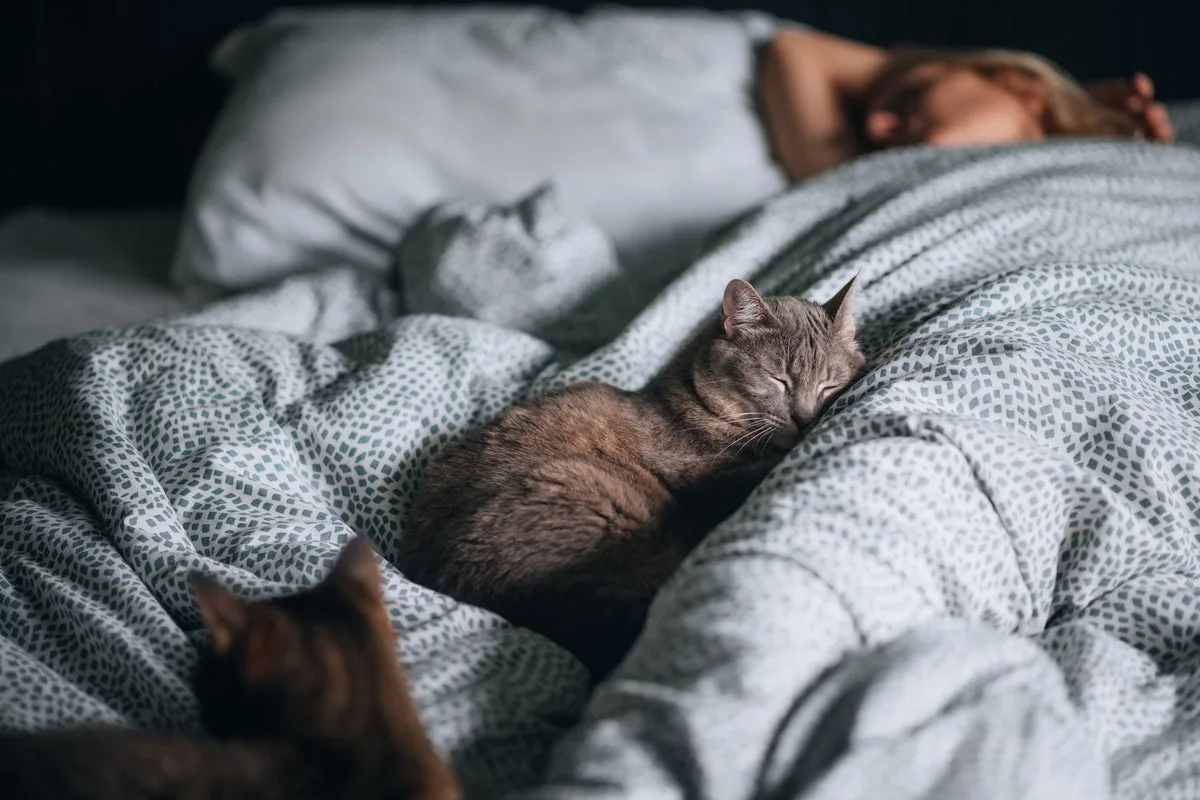
Why Disliking Cats Could Be a Major Dating Red Flag According to Experts
Disliking Cats Could Be a Dating Red Flag, Experts Suggest

Why Disliking Cats Could Signal Relationship Trouble

Moving into your thirties often brings profound realisations that reshape your worldview. Among these epiphanies, one particularly striking insight has emerged: individuals who actively dislike cats might display concerning personality traits that could negatively impact romantic relationships. This perspective, while seemingly niche, carries significant weight when examining how potential partners interact with feline companions.

The Feminine Connection to Feline Companions

Cats possess inherent feminine qualities that have been celebrated throughout history. With ancient ties to Egyptian goddesses and associations with grace and elegance, these animals have long been connected to feminine energy. Numerous celebrated female artists, including Gwen John, Frida Kahlo, and Tracey Emin, have prominently featured their cats in their creative works, further strengthening this cultural connection.

Personal experience with feline companions provides valuable insights into human character. One cat owner, whose five-year-old cat Blanche DuBois serves as an unexpected dating barometer, has observed distinct patterns in how different individuals interact with her pet. Men who approach cats with patience and respect, allowing the animal to initiate contact rather than imposing themselves, often demonstrate more thoughtful and open-minded personalities.

Wide Pickt banner — collaborative shopping lists app for Telegram, phone mockup with grocery list

Feline Interactions as Character Indicators

Cats require a different approach than dogs, and how people navigate this distinction reveals much about their interpersonal skills. Those accustomed to canine companionship often make the critical mistake of invading a cat's personal space immediately, assuming affection will follow regardless. This approach typically backfires, as cats generally respond better to gradual, respectful engagement.

The observation that cats can serve as excellent judges of character finds support in everyday experiences. When a cat willingly approaches and allows petting from a new acquaintance, this often indicates the person possesses qualities of gentleness, patience, and respect for boundaries. Conversely, individuals who express active disdain for cats frequently demonstrate other concerning viewpoints and behaviors that might prove incompatible in romantic partnerships.

Cultural Perceptions and Celebrity Examples

Despite their value as character indicators, cats still face public relations challenges. The "crazy cat lady" stereotype represents a particularly lazy form of sexism that fails to recognize the genuine insights feline companionship can provide about human nature. Meanwhile, celebrities like Dave Franco have embraced their identity as "cat dads," though Franco humorously noted that mentioning his substantial feline companions sometimes shortened his dating prospects.

Recent celebrity commentary has reignited discussions about societal attitudes toward cats. Actors Paul Mescal and Jessie Buckley sparked online controversy with their dismissive comments about felines during an interview, disappointing many cat-loving fans. While personal preferences between cats and dogs remain valid, the manner in which individuals express these preferences—particularly when accompanied by disdain for cat enthusiasts—reveals deeper aspects of their character.

What Cat Appreciation Reveals About Potential Partners

Appreciating cats suggests possession of several qualities that bode well for successful romantic relationships. Patience stands paramount, as building trust with feline companions requires gradual, consistent effort rather than immediate gratification. Gentility and respect for boundaries emerge as additional valuable traits, as cats demand consideration of their autonomy and personal space.

Perhaps most significantly, comfort with feminine-coded animals may indicate appreciation for female strength and independence—qualities many straight women seek in male partners. While traditional dating evaluations focus on employment, family background, and relationship history, perhaps a simpler question holds greater predictive power: "What is your attitude toward cats?" This seemingly simple inquiry might reveal more about compatibility than hours of conventional conversation.

Pickt after-article banner — collaborative shopping lists app with family illustration

Testing this theory in real-world dating scenarios could yield surprising insights into potential partners' characters. Those who approach feline companions with respect and curiosity often demonstrate the very qualities that foster healthy, lasting relationships. While not everyone needs to identify as a "cat person," the willingness to engage respectfully with these animals might just separate promising partners from those displaying genuine red flags.




