Victims and bereaved families will be given six months to challenge 'unduly lenient' sentences, under changes announced by David Lammy, the lord chancellor and justice secretary. The current 28-day time limit will be extended to six months for those directly affected by a crime.
The change follows campaigns by relatives of murder victims who argued that grieving families cannot be expected to engage with the justice system within a month of a heinous crime. The unduly lenient sentence scheme allows any member of the public to refer a sentence to the attorney general or solicitor general if they believe it is too lenient.
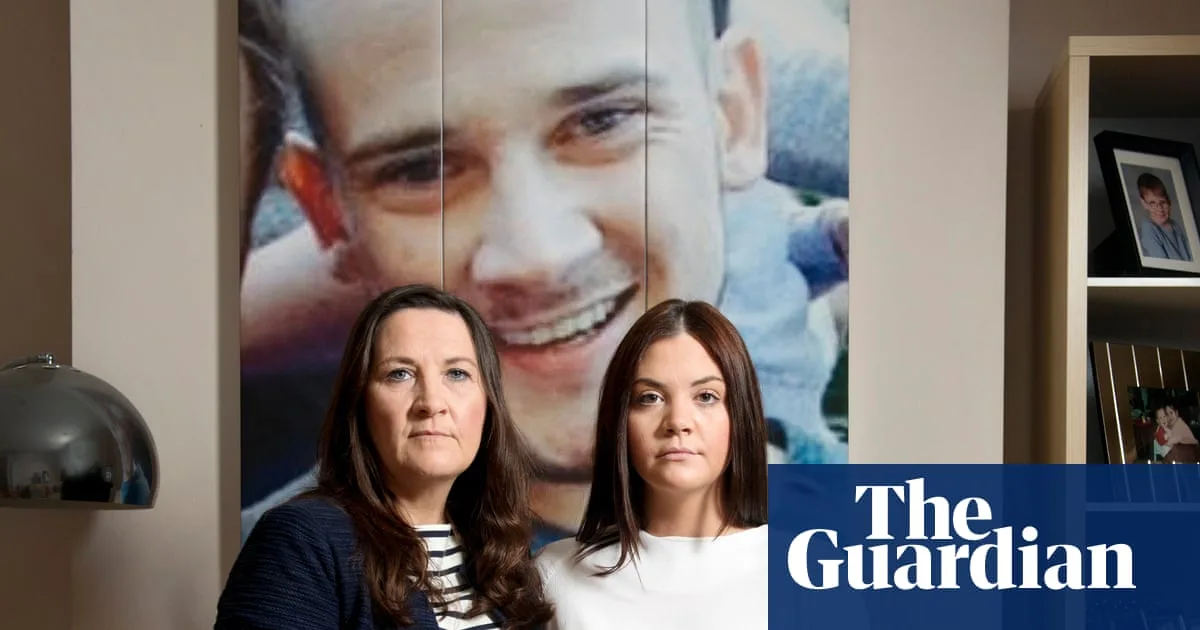
Tracey Hanson, whose son Josh was murdered, welcomed the move. She had submitted an appeal within the 28-day limit in 2019, but it arrived at 8.40pm on the last day and was deemed 'outside court hours'. She said the change was a testament to her son's memory after a seven-year campaign.
Katie Brett, whose sister Sasha Marsden was raped, murdered and set on fire at age 16, said her family were not told of their right to challenge the sentence until it was too late. She said the new legal duty to notify victims of the scheme means every family will know their rights.
The government will also introduce a legal duty in the Victims' Code to notify survivors of the scheme's existence. The right to appeal remains restricted to serious crimes tried in the crown court, such as murder, robbery, and rape. Other members of the public will still have 28 days to refer a case.
Lammy said the change means people will have time to breathe and get advice after seeking justice. The shadow justice minister, Kieran Mullan, cautiously welcomed the move, calling it a step forward reflecting the strength of feeling from victims and campaigners.