Texas Death Row Inmate Faces Execution After Prosecutors Used Rap Lyrics as Evidence
James Broadnax has spent over sixteen years confined within a six-foot by ten-foot cell on Texas's death row. To endure the interminable days, he has cultivated coping mechanisms, with writing spoken word poetry at his cell desk becoming a particular solace. He describes becoming so absorbed in the creative process that he enters what he calls a "time gap," losing himself for hours. In a recent poem featured in the documentary Solitary Minds, the 37-year-old writes of transforming rage into words spoken across a blank page.
A Teenage Dream Turned Prosecutorial Weapon
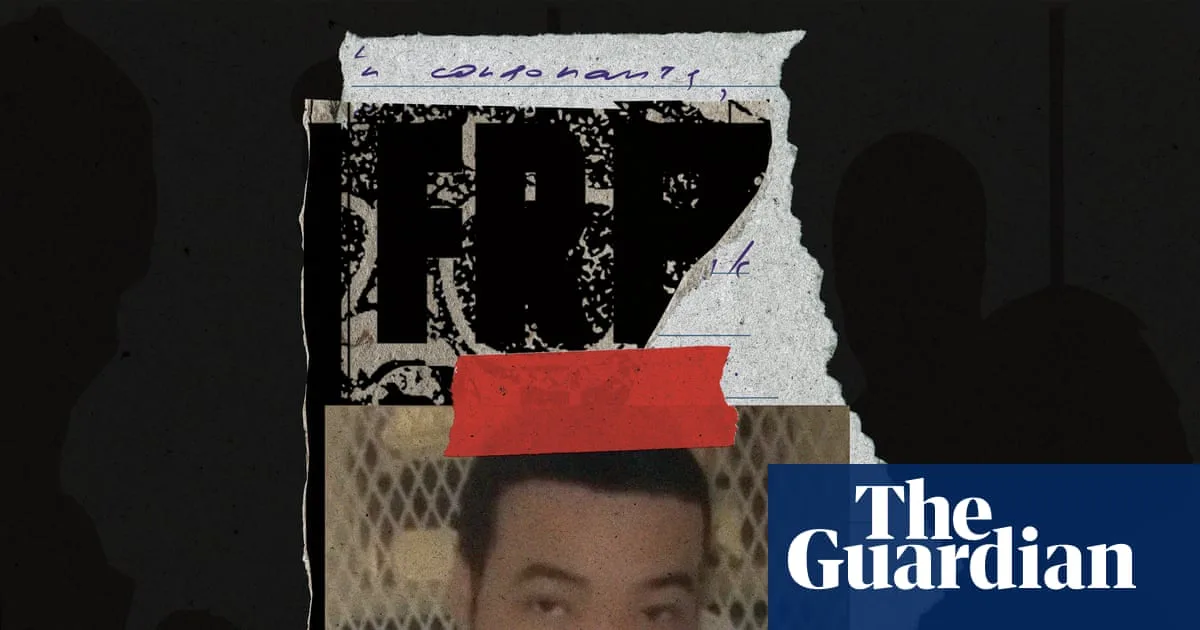
While his current output is spoken word, Broadnax's teenage passion was rap music. He aspired to be a successful rapper, filling notebooks with handwritten lyrics. This youthful artistic pursuit now threatens his life. Broadnax is scheduled for execution by lethal injection in Huntsville, Texas, on April 30. His death sentence stems significantly from the prosecutorial use of his poetry during his 2009 capital murder trial.
Broadnax, who is African American, was convicted alongside his cousin for the murders of two white men, Matthew Butler and Stephen Swan, during a 2008 robbery in Garland, Texas. The jury was selected from a pool from which Dallas county prosecutors had initially excluded all Black jurors, until the trial judge reinstated one.
During the sentencing phase, prosecutors presented forty pages of Broadnax's notebook lyrics. They selectively highlighted verses containing violent imagery of murder, robbery, and drugs, while overlooking lyrics about redemption and love. Under Texas law, securing a death sentence requires proving the defendant poses a "future dangerousness." Prosecutors argued his "gangsta rap" writings evidenced a "gang mentality" and labeled him a "psychopathic killer." The lead prosecutor told the jury, "The root word of gangsta rap is gangster," and compared Broadnax to predators on Animal Planet.
Mitigating Evidence Drowned Out
This strategy effectively overshadowed mitigating evidence presented by the defense. Broadnax was only 19 at the time of the crimes. He endured an abusive childhood under a grandmother who locked him without food and beat him frequently. Despite this trauma, his prior record consisted solely of a non-violent marijuana possession conviction. The jury, however, appeared more influenced by the rap lyrics, requesting to see the notebooks twice during deliberations before sentencing him to death.
Music Industry Mobilizes for Supreme Court Appeal
Kevin Liles, a hip-hop industry veteran and former CEO of 300 Entertainment, now leads the non-profit Free Our Art. Its mission is to protect artists from what he views as gross infringements of First Amendment rights. "My imagination shouldn't be an indictment," Liles stated. "My creativity shouldn't be a crime, my art shouldn't be used as evidence."
Liles's involvement became personal following the 2022 racketeering case against rapper Young Thug, where lyrics were admitted as evidence. Learning of Broadnax's impending execution, Liles described it as "egregious" and shifted focus to a new, urgent priority: securing Supreme Court intervention.
Broadnax's lawyers have filed a petition with the Supreme Court, arguing Texas's use of his lyrics violated due process and equal protection under the Eighth and Fourteenth Amendments. Liles helped assemble an amicus brief supporting this appeal, signed by sixteen prominent artists including Young Thug, Killer Mike, T.I., Fat Joe, and actor Anthony Anderson. The brief contrasts the treatment of rap with other genres, noting lyrics by Johnny Cash, Bob Marley, and Beyoncé are accepted as artistic fiction.
A Pattern of 'Rap on Trial'
Erik Nielson, a University of Richmond professor and co-author of Rap on Trial, maintains a database tracking such cases. "This only happens to rap music," Nielson emphasized. "No other fictional form, musical or otherwise, has been targeted and criminalised in this way. You have to work really hard not to see race as the central factor."
His database records 826 cases since the late 1980s where rap lyrics were used as evidence, including 33 capital trials that resulted in death sentences. Ten of those are from Texas, including Dominique Green, executed in 2004 despite clemency pleas, and Tedderick Batiste, on death row since 2009 after prosecutors used his jailhouse rap lyrics to argue "future dangerousness."
Historical Context of Criminalising Hip-Hop
A separate amicus brief by rapper Travis Scott outlines how hip-hop has faced suppression since its emergence. He notes its evolution from Bronx block parties to a Pulitzer Prize-winning art form, yet one persistently surveilled. The 1980s "war on drugs" and the rise of protest rap like NWA's Fuck tha Police drew law enforcement attention. By 1999, the NYPD had established a "hip-hop police" unit monitoring artists.
Prosecutors followed suit. The earliest case in Nielson's database is from 1990. A 1996 study highlighted racial bias: when white participants were told identical lyrics were rap versus country music, they deemed the "rap" version more offensive and threatening. Prosecutorial manuals have advised exploiting defendants' "true personality" through music lyrics.
Final Appeals and a Prison Wedding
With his execution date approaching, Broadnax's legal team is pursuing multiple appeals. Beyond the rap lyrics petition, they challenge the initial exclusion of Black jurors. Cornell law professor Sheri Johnson connected these issues: "If you want to make a racist argument about a defendant based on their rap lyrics, then you want a white jury to listen to it."
On March 18, Broadnax filed for a new trial based on a sworn declaration from his co-defendant, Demarius Cummings, who claims he alone was the triggerman. DNA evidence also reportedly matches Cummings, not Broadnax.
As these appeals unfold, Broadnax prepares to marry his UK-based fiancee, lawyer Tiana Krasniqi, on April 14 in a ceremony at the Polunsky unit, separated by bullet-proof glass. He continues to write poetry, his recent works dwelling on natural beauty, death, and racial history, alluding to lynchings in lines about "swingin' from those same damn trees." His fate now rests with the highest court, as the debate over artistic expression versus prosecutorial evidence reaches a critical juncture.