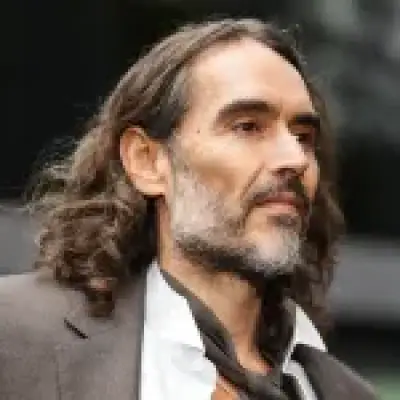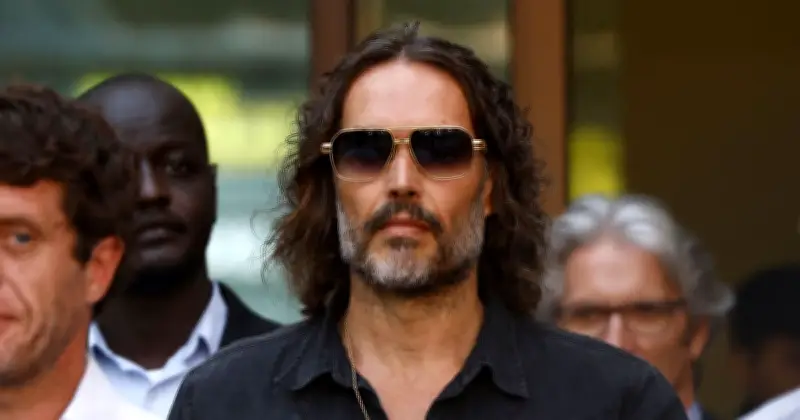
BBC presenter Neil Oliver has branded Russell Brand's conviction as "alarming" after the disgraced comedian was found guilty of one count of rape and three counts of sexual assault.
Last week, Brand, 51, was sentenced to 10 and a half years in prison at Southwark Crown Court. He was later moved from the category B Wandsworth prison in south-west London to the lower category C HMP Littlehey in Cambridgeshire, a prison for men convicted of a sex offence.
Oliver questions evidence in decades-old allegations
As Brand settles into his new accommodation behind bars, Oliver has spoken out in his defence in a new interview on Wide Awake Media. He stated the conviction is "alarming", arguing that a person can now face more than a decade in prison over allegations dating back decades, without forensic evidence.
The GB News presenter went on to say that the case raises troubling questions about the presumption of innocence, asking whether conflicting testimony about events from 15 to 20 years ago can reliably establish guilt beyond reasonable doubt.
Public reaction divided
Viewers quickly took to the comments to share their frustration with the broadcaster's opinion online. One user wrote: "How does he think trials were conducted before the invention of forensic evidence?"
Another argued: "According to Neil Oliver, had Jimmy Savile lived to stand trial, he would have found any conviction deeply alarming due to the allegations dating back decades with no forensic evidence."
A third asked: "So forensic evidence is the only form of evidence, is it?" as a fourth echoed: "There were plenty of corroborated accounts plus text messages."
Meanwhile, others agreed with the former BBC presenter, as one pointed out: "Exactly this... whether you like him or loathe him, the problem is the reasonable doubt aspect of the conviction." Another agreed: "When the case depends entirely on what people remember of events from 15 to 20 years ago, there is obviously reasonable doubt about what actually happened."
A third chimed in with: "I agree. If, at the time, this had been reported to the police or complaints made to his employer, I would be more inclined to support the victims."