New York Man Exonerated After 19 Years in Prison for Wrongful Robbery Conviction
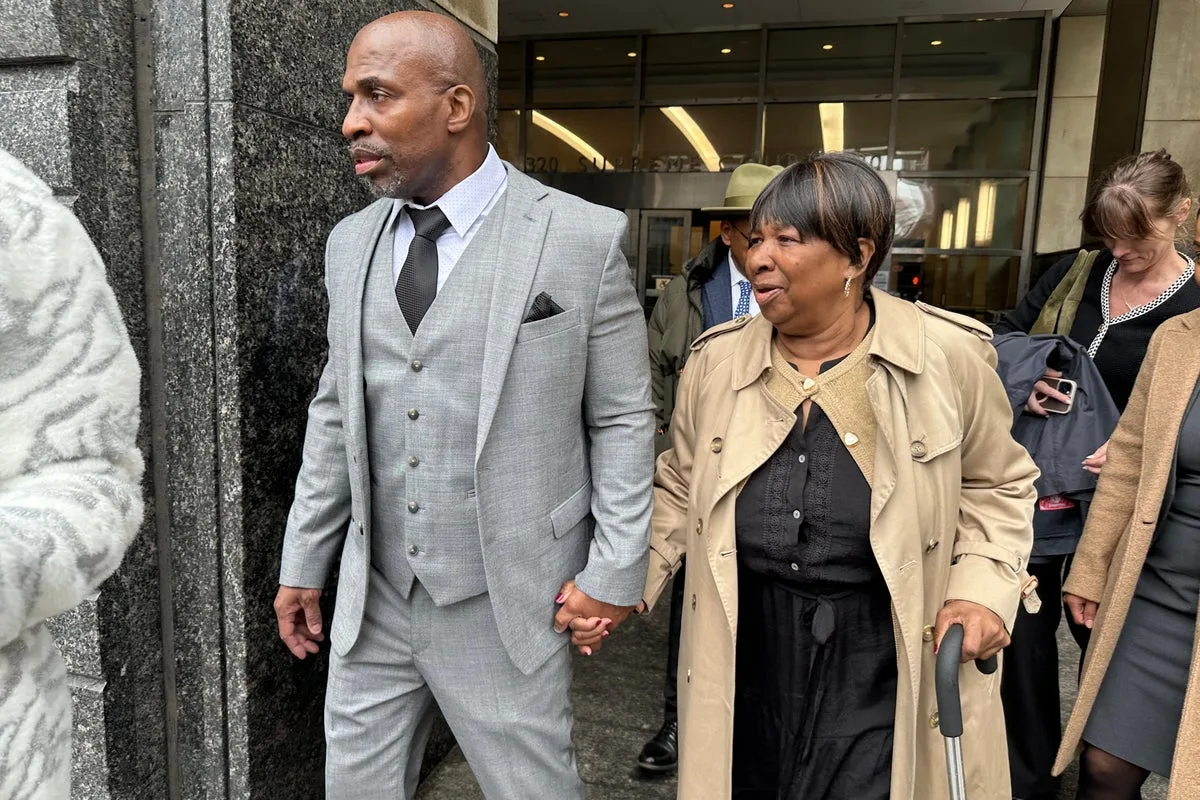
A New York man who spent nearly two decades behind bars for a robbery he did not commit has been exonerated and freed, marking a significant moment in the pursuit of justice. Kenneth Windley, 61, walked out of a Brooklyn courthouse on Monday, 16 March 2026, after prosecutors agreed that new evidence supported his innocence in a case involving a roughly $550 robbery.
"It cost me 20 years, but they said they corrected it now. So that's all that matters. So I’m good with that," Windley stated as he left the courthouse, experiencing freedom for the first time since 2007. A judge dismissed his conviction and the entire case at the joint request of prosecutors and Windley's legal team, highlighting a rare instance of judicial and prosecutorial alignment in correcting a miscarriage of justice.
Prosecutors Admit Error and Apologise
Brooklyn District Attorney Eric Gonzalez, a Democrat, acknowledged the grave error in Windley's case, describing it as a cautionary tale. "This case is really a cautionary tale of how things can seem one way but, without careful analysis, not be what it purports to be," Gonzalez said after shaking Windley's hand outside court. He added that he had privately apologised to Windley, admitting, "Had we known what the evidence was, this case should have never happened."
The exoneration was based on new evidence, including confessions from two other men convicted of similar robberies, which bolstered Windley's longstanding claim of innocence. These men, referred to in reports as "Suspect 1" and "Suspect 2," are currently serving prison time for other robbery convictions and admitted in sworn statements that they robbed the victim together, with Windley having no involvement.
Background of the Case and Wrongful Arrest
Windley was arrested in 2005 after purchasing a stove for his mother with a stolen money order worth $542.77. The money order had been taken from Gerald Ross, 70, by two thieves who followed him home from a bank and post office, putting him in a chokehold and stealing cash, money orders, and a bank book. Ross regularly obtained money orders for rent and life insurance payments at that post office, which created a paper trail that authorities used to trace the stolen item to Windley, who had provided his name, driver's license, and address when buying the stove.
From the outset, Windley maintained his innocence, explaining that he bought the money order at a discount from acquaintances who assured him it was valid but unusable due to a bureaucratic issue. "He was duped," one of Windley's lawyers, David Shanies, told the court, emphasising that Windley was an unwitting victim in the transaction.
Conviction, Appeals, and New Evidence
Despite Windley's claims, Ross identified him in a lineup as one of the thieves, leading to a jury convicting him of robbery in 2007. Due to prior felony convictions, Windley received a sentence of 20 years to life in prison, and his appeals were unsuccessful. However, after his conviction, Windley provided prosecutors with nicknames and details about the men who sold him the money order. With help from a friend and private investigators, he uncovered their identities and persuaded them to come forward.
The D.A.'s report, released on Monday, described the confessions from the two men as "compelling" and noted that if the jury had known their identities and robbery records—which involved targeting male victims in their 60s and older in Brooklyn from 2005 to 2006—it would likely have raised reasonable doubt about Windley's guilt. Prosecutors concluded that this information was crucial in overturning the conviction.
Legal and Personal Aftermath
No new charges have been filed in the case, as the legal timeframe for prosecution expired years ago, and the victim, Gerald Ross, has since passed away. Windley, now free, expressed no bitterness about his ordeal. "I’m just going to move on from there," he said, heading off to celebrate with his family on Monday afternoon. His exoneration underscores ongoing issues in the criminal justice system, particularly regarding wrongful convictions and the importance of thorough evidence review.




