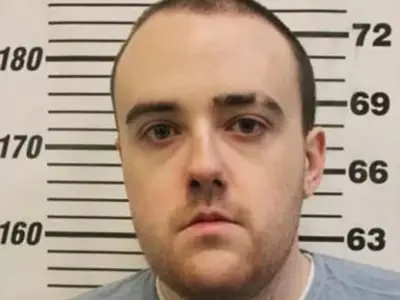
Mark Neville, 65, has pleaded guilty to attempted arson after launching a petrol bomb at the Thistle City Barbican hotel in Dingley Road, Islington, London, which was housing asylum seekers. He appeared at Snaresbrook Crown Court today, where he also admitted possession of a bladed article and possession of a prohibited weapon (a stun gun) in a private place.
Attack and Immediate Response
Emergency services were called to a fire at 22.53pm on Dingley Road on September 24, 2025. The fire was quickly put out by security guards, and there were no injuries, according to the Metropolitan Police. The force began an investigation, reviewing CCTV footage, with Neville tracked "from the scene to the door of his flat."
The Met Police stated: "In the following hours, detectives worked quickly to secure CCTV – which showed a masked man, dressed all in black, lighting a petrol bomb and throwing it over a gate and towards the hotel entrance."
Identification and Arrest
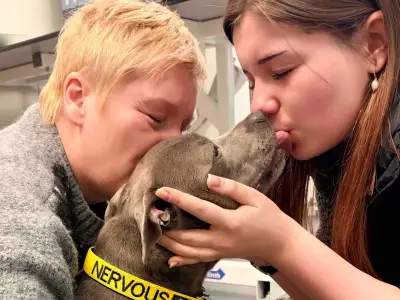
Neville, from Islington, was identified with the help of the local community and a forensic fire dog, Simba, a nine-year-old springer spaniel, who found a glove with his DNA in a bin near the hotel. He was arrested two days after the attack. Officers searching his flat found "evidence that he was likely motivated by hate and specifically anger at immigration, including internet searches on far right activism and asylum seekers." He was charged with arson with intent to endanger life, criminal damage, and other offences on the same day.
The Met Police statement read: "The fire took place in the grounds of a hotel in Dingley Road, Islington that was being used to house migrants. It is no longer in use for that purpose." The statement added that local residents identified Neville from a photo, and specialist forensic teams linked his DNA to the glass fragments of the petrol bomb.
Evidence and Conviction
In police interview, Neville stated that his friends often sent him articles about immigration and that he had attended marches relating to this, including one outside the hotel he had targeted. Despite the evidence, he continued to deny involvement, including claiming he was visiting a friend who had been diagnosed with dementia. A review of devices found at his flat identified searches and messages relating to far-right activists, migration, and asylum seekers. After being confronted with this evidence, Neville admitted he was the person in the footage before conducting a 'no comment' interview.
Detective Chief Inspector Paul Ridley, whose team led the investigation, said: "Neville fire-bombed a hotel in an attack that was designed to terrify residents and the local community. His actions could easily have caused horrific injuries. Officers immediately moved to identify him, track him down and arrest him, examining hundreds of hours of CCTV and gathering crucial evidence. After he was arrested he tried to deny his guilt, as officers uncovered overwhelming proof that he was motivated by hate. We remain resolute in our determination to protect Londoners and relentlessly pursue those who seek to cause fear and harm, bringing serious offenders to justice."