Vickrum Digwa, the man convicted of murdering student Henry Nowak, has been granted permission to appeal against his life sentence, which carries a minimum term of 21 years. Digwa argues the term is too stringent.
The appeal will be considered at the Court of Appeal on November 5, following his sentencing in June to a minimum of 21 years behind bars for murder. Digwa is contesting his sentence on the basis that it is excessively harsh and is also seeking leave to challenge his conviction.
Attorney General also appealing sentence
The Attorney General is separately appealing the sentence, contending that it is insufficiently severe. The Court of Appeal will determine whether to raise, lower, or maintain the term unchanged.
Following the stabbing of Mr Nowak, Digwa falsely told police that he had been the victim of a racist assault. Digwa, 23, who is linked to the Nihang Sikh warrior order, claimed he carried the blade as part of his faith – a characterisation strongly rejected by mainstream Sikh leaders, who condemned the killing and distanced the wider community from his actions.
Police body-cam footage triggered protests
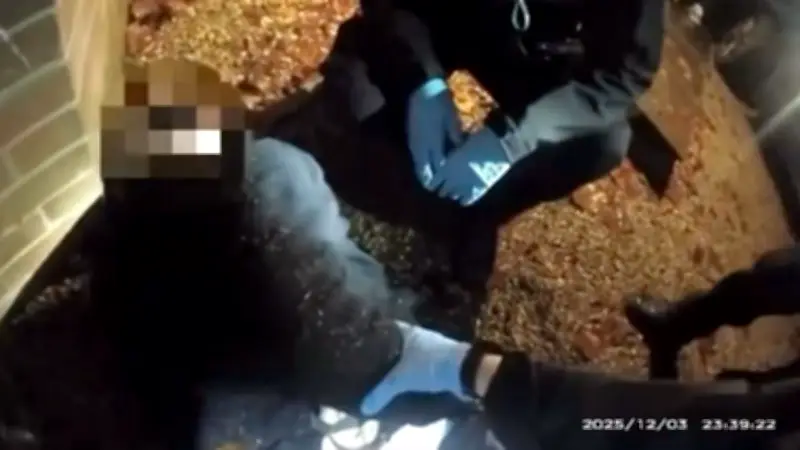
The incident triggered demonstrations after police body-worn camera footage emerged showing officers neglecting to provide Mr Nowak with first aid and instead restraining him with handcuffs as he lay dying, despite his pleas that he couldn't breathe.
During Digwa's sentencing at Southampton Crown Court, Mr Nowak's father, Mark Nowak, described the contrast between how the murderer and his son were handled as "unbearable". A day afterwards, Sir Keir Starmer stated that there were "serious questions" requiring answers regarding the incident.
Police watchdog investigates officers
The Independent Office for Police Conduct is examining two officers for possible gross misconduct, including potential failures to recognise that Mr Nowak required immediate medical assistance, to act when he reported being stabbed and unable to breathe, and the choice to arrest and restrain him rather than delivering first aid.
One of the officers is also being scrutinised for possibly violating conduct standards by disregarding the teenager's assertion that he had been stabbed. The watchdog is additionally examining whether race or religion influenced the officers' decision-making process.