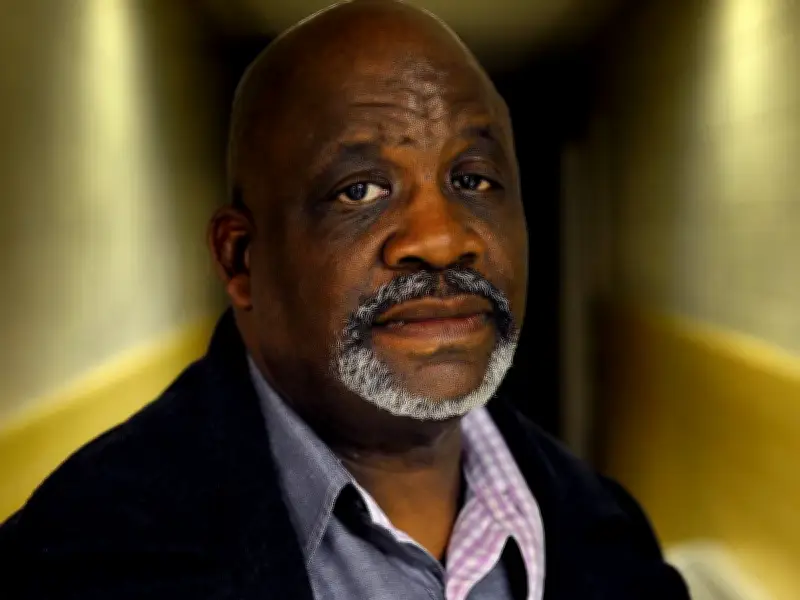
Jerry Givens, a former Virginia executioner who put 62 men to death, said lethal injection was the most psychologically difficult method and that the memories of those executions haunted him for the rest of his life. His warnings have resurfaced after convicted murderer Christa Pike survived a botched lethal injection in Tennessee, while Jamaal Howard was executed in Texas using the same drug.
A Career Marked by 62 Executions
Givens served as an executioner in Virginia for 17 years, from 1982 to 1999, overseeing 37 executions by electric chair and 25 by lethal injection. He remembered every condemned man, their faces, their final prayers, and the terror in their eyes.
In an interview, Givens described the rituals of each execution. Before an electrocution, he would shave the prisoner's head and right leg where the electrodes would be attached. He would pray with the condemned men, saying, "My routine was trying to prepare the men for their next phase, to make sure they are ready. That is the key. To make sure they are ready to die."
Lethal Injection's Unique Psychological Toll
Givens explained why lethal injection was harder on the executioner than the electric chair. "The electric chair is a machine that will run automatically," he said. "If something went wrong, like a body catching fire, I could push a button and stop it. One time a body did set on fire when his trouser leg went up in flames after he leant against the electrode."
He contrasted this with lethal injection, saying, "You have tubes of chemicals going through and an IV line connected to the arm of the condemned. They are clear so you can see the fluid going into the body. So if there is a blockage, you are going to see blood coming back into your tubing. That indicates that something is wrong. It makes you feel more attached as you have to push the chemical in."
He added, "With electrocution, once you push the button, that is it. Your hands are free. With lethal injection, as you are injecting this stuff, you are actually killing the man."
Warnings on the Execution System
Givens was critical of the rush to execute prisoners before drug supplies expired. "They're playing Russian roulette with these guys' lives," he said. "You can pull the wool over the eyes of the public, but not someone who has been through it. They cannot fool me. The drug itself does not change. It hasn't been successful on the human body. It is not designed for that. There is no drug for execution. How can it be tested?"
He also warned about the dangers of the procedures themselves. "If you don't clear your line, and the chemicals mix, it can cause a hard gel to form inside and clog your line," he explained. "You have to clean the line. It takes a lot to do. You have to make sure you are doing things right. I just didn't like using drugs to kill. The whole use of drugs is a mixed message. They are supposed to save lives."
A Changed Perspective and Lasting Haunt
Givens was once a passionate supporter of capital punishment, a conviction forged after a shooting at a house party in his youth. However, his views changed after he was convicted of perjury in 1999 and spent four years in prison. He became an outspoken campaigner against the death penalty, arguing that even the most serious offenders should spend their lives in prison.
He said, "No matter what crime these men have committed, they should be sentenced to death in prison. If we must keep the death penalty, allow the inmate to give his life. The only way they should die is if they want to give their life for the crimes they have committed." He also warned, "If you volunteer to be an executioner and you enjoy doing it, then you are in it for the wrong reasons. You need to see a psychiatrist. You need to be checked because these things are going to affect you as they did me."
Givens died in April 2020, aged 67, after contracting Covid-19. He had spent his final years campaigning to abolish the punishment he once administered. His warnings about the execution system now carry fresh significance following the botched execution of Pike and the subsequent execution of Howard.