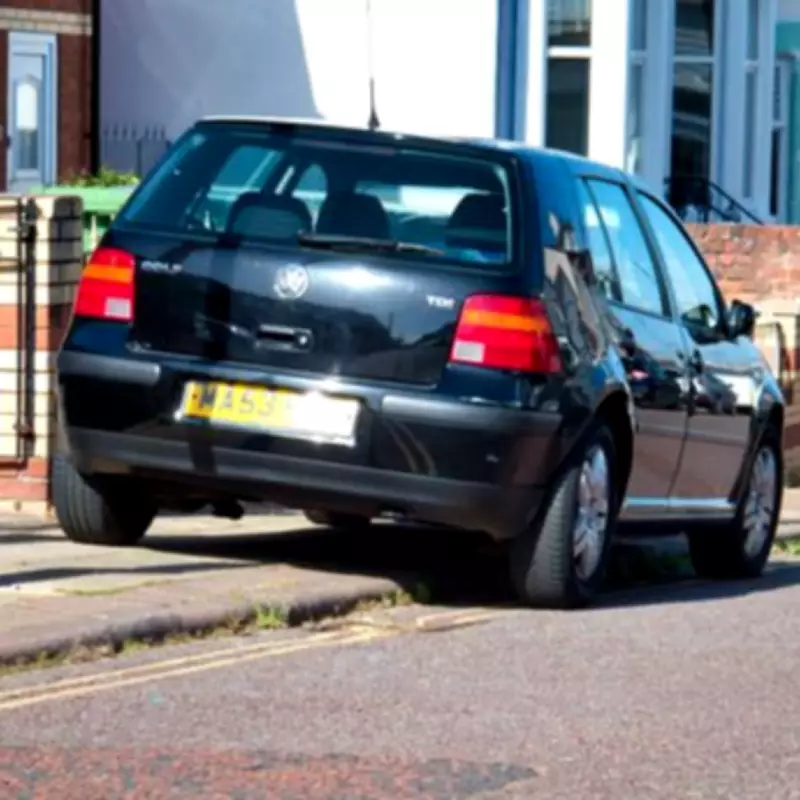
What to Do If Someone Blocks Your Driveway: Legal Expert Guidance
Finding your driveway obstructed by another vehicle can spark intense frustration, whether you are heading out for the day or returning home from work. This situation often leads to anger, and many people instinctively consider calling the police for assistance. However, reaching out to law enforcement may not always provide the quick resolution you hope for, as highlighted by reports from the MEN. To clarify the proper course of action, I consulted several legal and motoring experts, who offered unanimous recommendations on steps to take and pitfalls to avoid.
Expert Legal Advice on Driveway Obstructions
Paul Britton, CEO of Britton and Time law firm with offices in London and Brighton, emphasised: "If someone blocks your drive with their car and you cannot get in or out, do not clamp or tow it yourself. On private land, only certain authorised bodies can immobilise or remove vehicles. Taking matters into your own hands risks committing an offence or facing a civil claim. Contact the police only if the obstruction causes a real danger on the highway. Blocking a driveway is not automatically a police crime; it is often treated as a parking enforcement issue, which can lead to slow responses unless the situation is dangerous or persistent."
Britton added: "If the car is parked on the road blocking your dropped kerb or access, it may be handled as an obstruction, but police frequently defer to local councils unless it is severe. Call your council's parking enforcement team for parking contraventions. In enforceable areas, councils can issue tickets and sometimes remove vehicles parked across dropped kerbs. For urgent access, such as a medical emergency, make this clear to authorities, as it often speeds up their response." He also advised gathering evidence for repeat problems, including photos showing the location, number plate, and blockage, along with dates and times, to report patterns to the council or police as needed.

What You Should and Should Not Do
If someone has blocked your driveway, follow these steps:
- Try to identify the vehicle owner, as it might be a mistake.
- Leave a polite note requesting they move the car.
- For persistent issues, take photos as evidence.
- Contact the council if the car obstructs a dropped kerb; they may issue a penalty notice.
- If blocked from exiting, call the police non-emergency line at 101, not 999.
Avoid these actions:
- Do not attempt to move the car yourself.
- Avoid clamping, damaging, or interfering with the vehicle.
- Do not assume the police or council will immediately remove the car.
Insights from Motoring and Legal Professionals
Richard Evans, head of technical services at webuyanycar, explained: "The key issue is whether access to the public highway is prevented. In the UK, blocking a dropped kerb so a vehicle cannot enter or exit is a parking contravention. Report this to your local council, which may issue a penalty charge notice or enforce removal. However, leaving a polite note or speaking to the driver is often the quickest solution."
George Penny, EV specialist at The Solar Co, noted: "Parking in front of a dropped kerb, such as for driveway access or wheelchair users, violates Rule 243 of the Highway Code, unless stopped by traffic. Councils can issue penalty charge notices if the vehicle causes an obstruction."
Benson Varghese, founder and managing partner of Varghese Summersett law firm, commented: "If a vehicle is parked on the public road blocking your dropped kerb, it could be a parking contravention under civil enforcement. Contact your local authority's parking enforcement team for fines or removal. Avoid interfering with the vehicle, as taking the law into your own hands is not legally sound."
Antony Fragola from Approved Motor Finance added: "If blocked but still able to access the road, it is usually a civil matter. Try to locate the driver, leave a note, or check with the council. If prevented from leaving, it may be an obstruction; contact police via 101. Do not clamp, tow, or damage the vehicle, as you could face legal liability."

Alicia Hempsted from MoneySuperMarket stated: "While frustrating, stay calm and avoid actions that could cost you money. Blocking access may be an obstruction, so councils or police might help. Moving or damaging the vehicle could lead to repair costs or insurance claims."
Penalty Charge Notice Costs and Highway Code Rules
Penalty charge notice costs vary by local authority. Outside London, fines typically range from £50 to £70, often halved if paid within two weeks. In London, fines are higher, usually £80 to £130, depending on the borough and severity. Unpaid charges can increase by up to 50%.
Rule 243 of the Highway Code specifies areas where you should not stop or park, including:
- Near school entrances or where emergency services access is blocked.
- At bus or tram stops, taxi ranks, or level crossings.
- Within 10 metres of a junction, except in authorised spaces.
- Near hills, bends, or where kerbs are lowered for wheelchair users.
- In front of property entrances or where cyclists' facilities are obstructed.
By following these guidelines, you can handle driveway blockages legally and effectively, ensuring a smoother resolution without risking personal liability.