
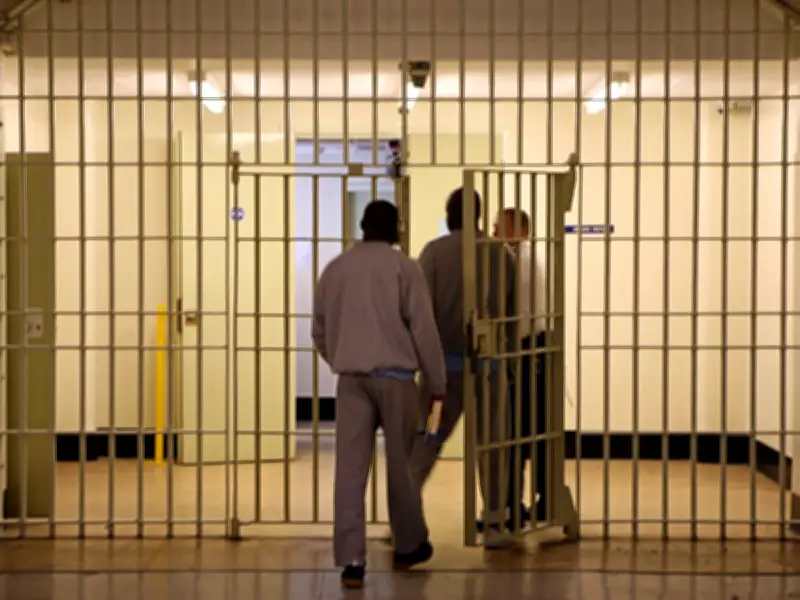
Andy Burnham, the expected next Prime Minister, is reportedly considering changes to prison sentencing reforms to exempt child sex offenders from early release. Staff in Mr Burnham's team are examining how to ban child sex offenders from the scheme and whether such changes would require primary legislation, according to the Sunday Times.
Sentencing Act Changes
Under the Sentencing Act, which became law earlier this year, prisoners serving time for some violent or sexual offences will become eligible for release halfway through their sentences, rather than serving the current tariff of two-thirds. Criminals including burglars and thieves are among prisoners who will be considered for release a third of the way through their sentences, down from the current 40%.
Parts of the Sentencing Act will come into effect from September, meaning some criminals who were already sentenced will be released earlier than a judge intended. The first 700 offenders are reportedly set to be freed in September.
Exemptions and Concerns
Tens of thousands of prisoners are already exempt from the reforms, including those serving life sentences, terrorists, or murderers. However, Mr Burnham is said to be alarmed over plans that could see child groomers and rapists eligible for early release from September.
Ex-Home Office minister Jess Phillips, who resigned from the Government last month, suggested the scheme should be subject to an exemption for serious sexual crimes against children. She told LBC: “It is my opinion however that there should be more exemptions within the release scheme and child rapist seems to be an area that we should potentially all be looking to work together for, if the numbers allow.”
Justice Secretary Defends Reforms
Last week Justice Secretary David Lammy defended the plans, which have already been voted through by MPs. He told the Tories that the reforms are necessary because they "almost broke the prison system". “You built just 500 places in 14 years and we had to fix that system,” Mr Lammy said. “You had 17 different forms of guidance on early release in the last year, all done in secret. That’s why we introduced the Sentencing Bill, that’s why it got royal assent in January. And that’s why we’re doing everything we can to build more prison places – 14,000 prison places by 2031.”
Between October 2022 and August 2024, the adult male prison estate was between 98.0% to 99.7% full, according to the National Audit Office.
Burnham's Broader Disagreements
Mr Burnham, who is expected to become PM on July 20, has also expressed disagreement with Labour's plans to ditch jury trials for criminals expected to get a sentence of three years or less. During the Makerfield by-election campaign in May, Mr Burnham suggested there should be a "pause" on the plans as jury trials are a "lynchpin of a fair society". He told a local radio station: “My instinctive reaction is… I think proceed with huge caution and do not take away something that’s a lynchpin of a fair society. My call on the Government is to pause this and take a step back and have proper consideration. I understand the pressure on the courts but this is about a fundamental part of our country. It has to proceed with broad consent if it’s to proceed. Perhaps there’s a case in some trials not to have a full jury trial. But it should be done with the broadest possible consent in society.”
Ministry of Justice Response
A Ministry of Justice spokesman said: “Without this decisive action, prisons would have run out of space entirely, making it impossible for convicted offenders to be sent to prison and risking the complete breakdown of the criminal justice system, putting the public at untold risk. Offenders who a judge has deemed the most dangerous are automatically blocked from early release, and prisoners who behave badly while behind bars face being locked up for longer. Anyone who is released faces tough rules such as restrictions on their movements, tagging, being banned from attending public events, pubs and clubs, backed by our record £700 million investment into probation and 1,300 extra probation officers.”




