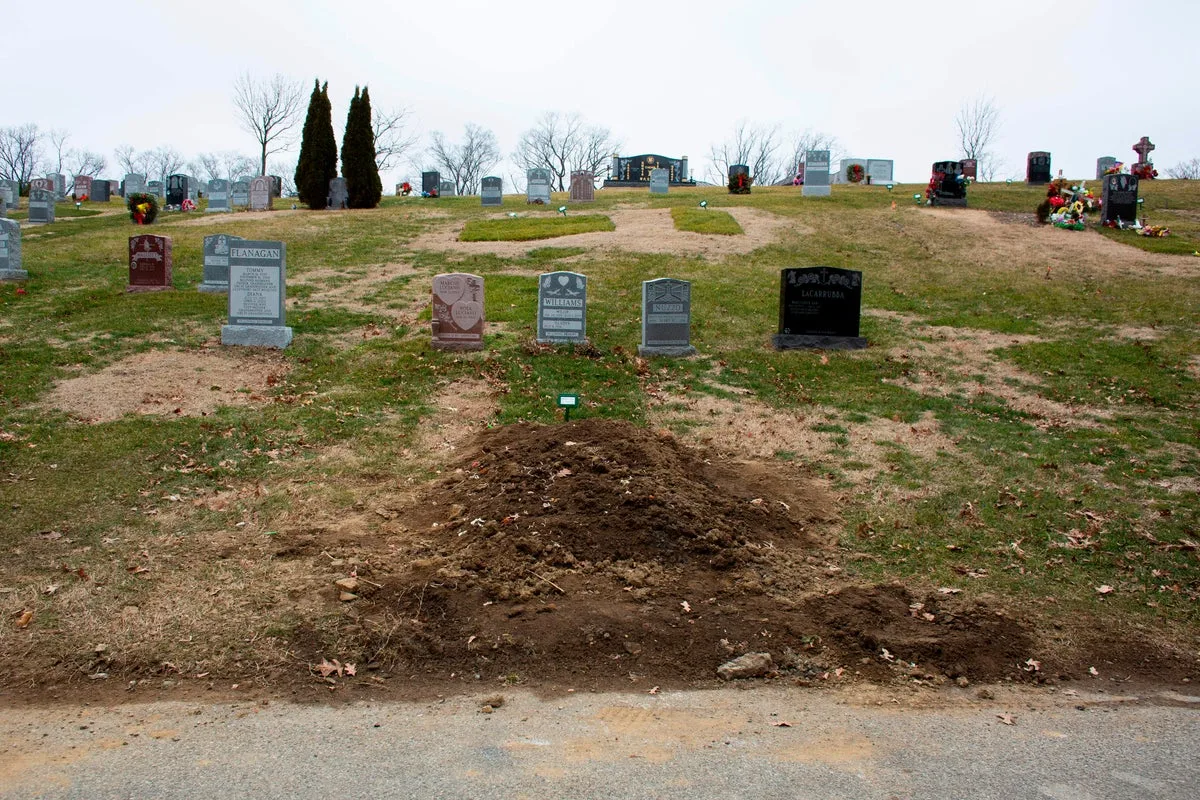
A 75-year-old Texas woman is seeking $1 million in damages after a cemetery allegedly buried a stranger in her family's plot instead of her sister. Clota Rainey filed a lawsuit in Harris County Court on March 18, claiming that Paradise Funeral Home & Cemetery in Houston placed an unknown person's remains next to her late parents, rather than her sister Willie Jean Gamble.
Gamble, a retired public school teacher, died of cancer on April 10, 2024, at age 78. Rainey arranged for her burial in a family plot with six spaces. However, on April 20, when Rainey arrived for the funeral, she discovered that a stranger had been buried that morning in the spot intended for Gamble. The lawsuit alleges that due to the cemetery's negligence, Gamble's body was stored for over a week, causing severe deterioration.
The complaint states that the cemetery did not promptly remove the stranger's remains, forcing the family to bury Gamble in a different grave within the plot. Rainey's sister Sibbie Curry told local media that employees seemed to steer them away from the family plot after the service. 'Someone else is sitting in her grave,' Curry said, describing the incident as heartbreaking.
Paradise Funeral Home & Cemetery, owned by Service Corp. International, did not respond to requests for comment. The lawsuit highlights similar burial mix-ups, including a 2023 case in New York where a funeral home buried a stranger in a father's grave, and a 2024 incident involving a New York City funeral home that swapped bodies.