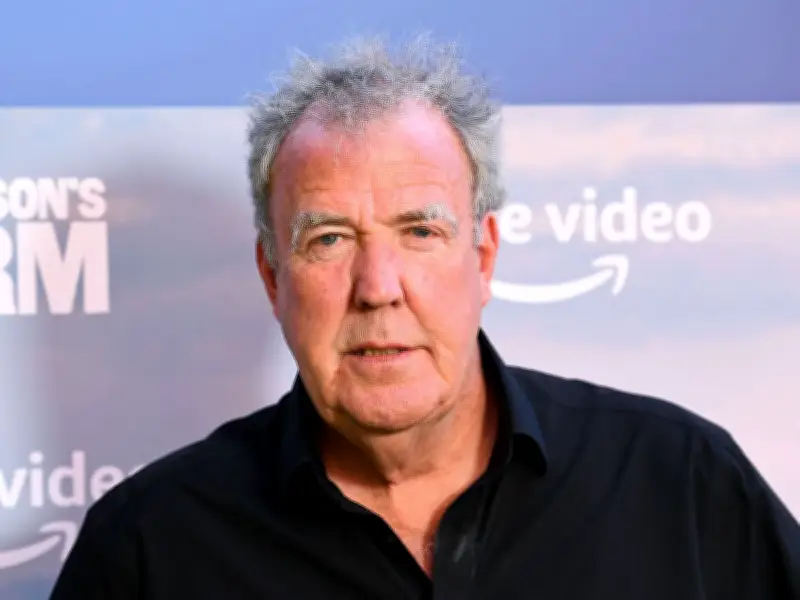
Pink Floyd drummer Nick Mason has disclosed how his beloved Ferrari Enzo ended up on Top Gear, resulting in Jeremy Clarkson inadvertently breaking BBC rules. The incident occurred when Mason lent his car to the show in exchange for promotion of his book, a deal that later became a case study in BBC editorial compliance lectures.
The Origins of the Loan
During the mid-2000s, Top Gear was gaining momentum but still struggled to secure certain high-end vehicles. The Ferrari Enzo, a flagship model named after company founder Enzo Ferrari, was particularly scarce in the UK, with only a handful available. The show's team found it challenging to obtain one until Mason spoke with Clarkson.
Appearing on Benedict Fowler's Road To Success podcast, Mason explained how the arrangement came about. Fowler noted, "It was the first time Jeremy Clarkson and the BBC ever shouted out someone's book because they were not allowed to do advertising on the BBC."
The Deal and Its Consequences
Mason, now 82, recalled: "I'd been approached by Top Gear to loan them, I think it was the Enzo. There were only a few in the UK anyway. None of us were enormously keen on lending the car for free. So that initially ruled the whole thing out, but I was talking to Jeremy about it and I said, 'Shame, because I've just done this book and it would be quite a nice thing to get it on television.'"
Clarkson responded, "Give me a little time to have a look at this," and then proceeded with "total overkill on selling the book," according to Mason.
A Badge of Honour
Fowler later shared a text from former Top Gear producer Andy Wilman, which read: "My favourite memory of Nick's is his Top Gear appearance with the Enzo. It immortalised us in the BBC editorial compliance department. By BBC rules we weren't supposed to plug his book in exchange for the loan of the Enzo. But we thought, eff it, we're happy to do that. And from then on, that film was used in every editorial standards lecture to newcomers about the rules of product placement at the BBC. Nick's and my badge of honour."
The segment aired in the finished episode, and as Top Gear grew into a global phenomenon, the incident remained a notable example of rule-bending for the sake of entertainment.