Austrian Mountaineer Convicted Over Girlfriend's Fatal Mountain Incident
An Austrian court has delivered a guilty verdict against an amateur mountaineer for manslaughter following his girlfriend's death near Austria's highest peak. The 37-year-old Austrian man, identified as Thomas P, received a five-month suspended prison sentence and a €9,400 fine for causing her death through gross negligence in January 2025.
Details of the Tragic Climbing Accident
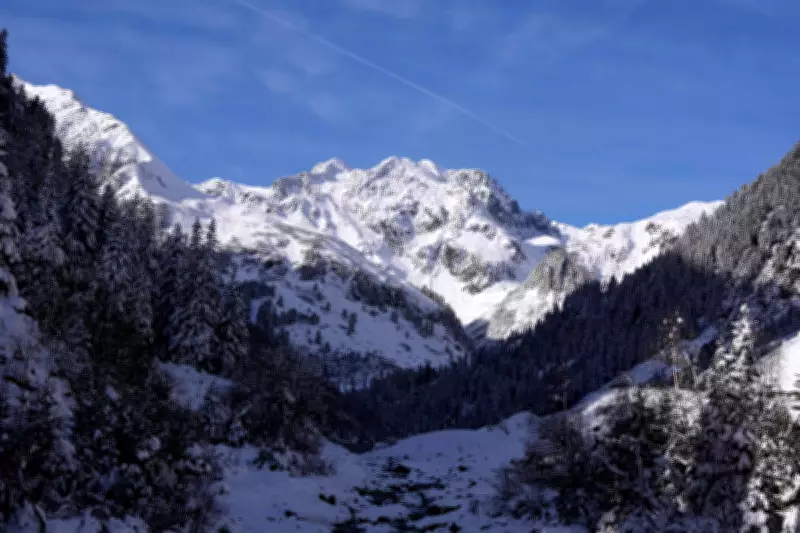
The court in Innsbruck heard that the couple had fallen far behind schedule during their winter climb of the Grossglockner mountain. Approximately 50 meters below the summit, on a freezing night, the woman, Kerstin G, became exhausted and unable to continue. Thomas P left her exposed to strong winds without using her emergency blanket or bivouac bag, which remained in her rucksack, while he went to fetch help from a shelter on the other side of the summit.
Despite pleading not guilty, Thomas P expressed profound remorse during the trial, stating, "What I want to say is that I am so terribly sorry." The offence carries a maximum prison sentence of three years, highlighting the severity of the court's findings.

Legal and Safety Questions Raised
This case is particularly unusual because, while climbing accidents are common in the Alps, prosecutions over them remain rare. The trial has sparked significant debate about legal liability in high-altitude environments, where climbers typically assume personal risk. The court emphasized that various mistakes were made, contributing to the tragic outcome.
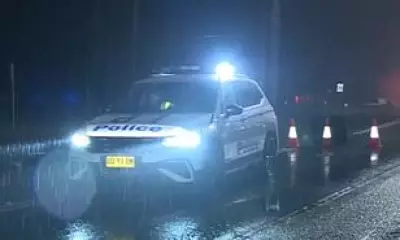
Further complicating the situation, Thomas P made a brief call to mountain police that did not trigger a rescue operation. Authorities stated he failed to clearly communicate that they needed urgent assistance, and he did not respond to follow-up calls or WhatsApp messages inquiring about their status. The defendant claimed his phone was in airplane mode to conserve battery life.
Broader Implications for Mountaineering Community
The conviction underscores critical issues regarding preparedness and responsibility in extreme sports. It serves as a stark reminder of the dangers inherent in winter mountaineering and the legal consequences that can arise from negligence. The case may influence future climbing practices and emergency protocols in Austria's mountainous regions.