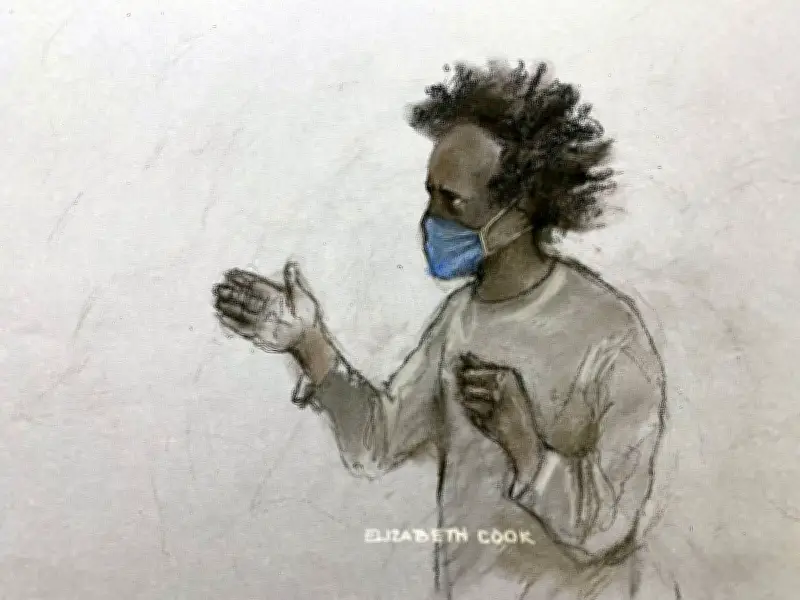
Southport child killer Axel Rudakubana has been moved from prison to Broadmoor psychiatric hospital, it has been confirmed.
Next Wednesday marks two years since Rudakubana carried out an attack at a Taylor Swift-themed dance class in the Merseyside town, on July 29 2024, killing three young girls.
Alice da Silva Aguiar, nine; Elsie Dot Stancombe, seven and Bebe King, six were killed while eight other children and two adults were severely wounded.
Sentence and Transfer
He was sentenced to life with a minimum term of 52 years for their murders, ten counts of attempted murder, and three separate terrorism-related offences in January last year.
He had been held at HMP Belmarsh but has been moved to Broadmoor following an independent medical assessment and 'rigorous security checks' the Ministry of Justice said.
An MOJ spokesperson said: “The families of those murdered and injured in Southport will be in this country’s heart forever and our thoughts remain with them.
“Any decision to transfer an offender is made following an independent, clinical assessment, under the Mental Health Act. Following rigorous security checks, the offender has been transferred to a high-security psychiatric unit, where he will remain until assessed fit to return to prison.
“Officials have approved this transfer, on behalf of Ministers. This transfer does not change his sentence – which remains at 52 years – and of which he will serve every single day.”
Broadmoor Hospital
Broadmoor, in Berkshire, is the oldest of the UK’s three high-security hospitals and has held some of the UK’s most high-profile criminals, including Ronnie Kray and serial killer Peter Sutcliffe, also known as the Yorkshire Ripper.
In May last year, while at HMP Belmarsh, Rudakubana allegedly attacked a prison officer with boiling water using a kettle in his cell.
Offenders who present an increased risk, and cannot be managed safely in a prison environment because of mental disorders, can be moved to secure psychiatric units.
People in these units are treated as patients rather than prisoners. Patients in secure hospital units cost more than £300,000 each a year, compared to around £60,000 for other prisoners, Whitehall sources told the Guardian.
Under the Mental Health Act, officials acting for the Justice Secretary have no choice but to accept the advice of clinical professionals to transfer prisoners to a secure facility.
An offender in a secure hospital will be compelled to engage with treatment and to undertake therapies before any return to prison or release into the community.
Where offenders no longer require treatment in hospital, the Act allows a swift return to prison.
Officials approved the transfer on behalf of ministers, but the MOJ spokesperson stressed it does not alter his 52-year sentence.