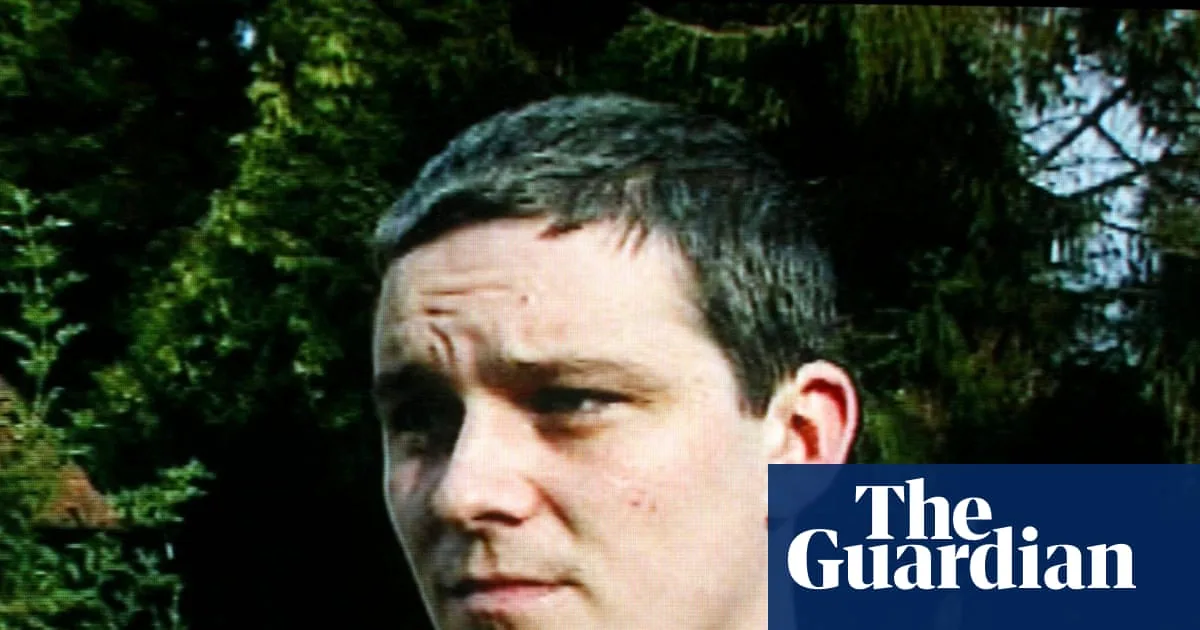
Prison violence is on the rise in England and Wales, with notorious prisoners such as the Soham killer Ian Huntley facing increasingly violent attacks from inmates with “nothing to lose”, according to the head of the Prison Governors’ Association (PGA). Tom Wheatley, president of the PGA, said those serving lengthy sentences or whole-life tariffs in high-security institutions had “no fear” of additional time and could earn status by targeting high-profile child murderers and paedophiles.
Huntley died earlier this month after an attack at HMP Frankland in County Durham. At HMP Wakefield, paedophile singer Ian Watkins died in October after being stabbed in the neck, and weeks later Kyle Bevan, jailed for murdering his partner’s two-year-old daughter, was also killed in an alleged attack. Wheatley, former governor at HMP Wakefield, said longer sentences meant little incentive to resist violence: “If you are serving a long sentence, you can feel as if you don’t have a life ahead of you… making yourself notorious by committing a violent act might help.”
High-security prisons are “highly emotional places” with rising tensions exacerbated by overcrowding and inexperienced staff, Wheatley added. Ministry of Justice figures show seven homicides in prisons in England and Wales in 2025, up from six in 2024, and a sharp rise from one to three per year between 2019 and 2023. Violent incidents at HMP Wakefield rose 62% and serious assaults 72% since 2022, according to inspectors.
The Ministry of Justice has established a Long Term High Security Estate Taskforce to review the management of high-profile prisoners. Andrea Coomber of the Howard League for Penal Reform said sex offenders are often seen as easy targets, with many self-isolating to avoid attacks. The review aims to address safety and security risks in the eight-prison high-security estate.