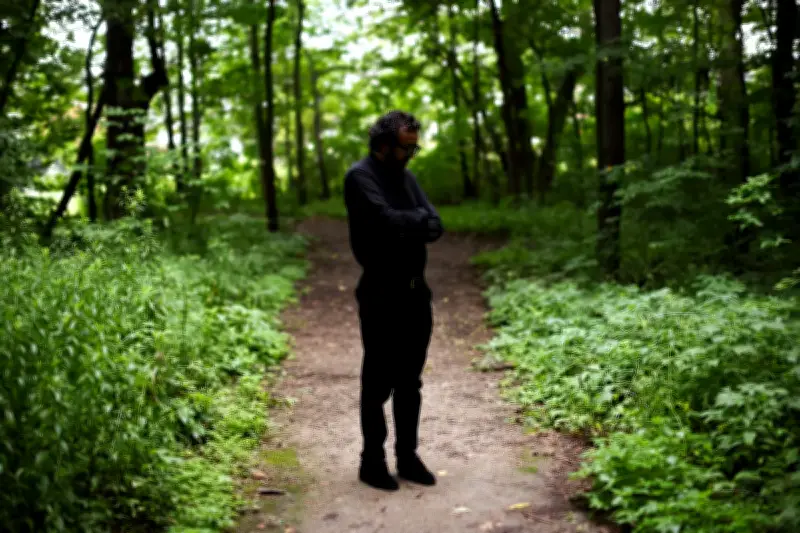
Kurdish filmmaker Gabar Choli, 40, has spoken out for the first time about the “inhumane” force-feeding he endured while detained by U.S. Immigration and Customs Enforcement (ICE) in Texas. In an exclusive interview with the Guardian from Canada, Choli described being shackled, pinned down, and forcibly fed through a nasal tube for nearly eight months.
Force-Feeding Routine
Choli, an asylum seeker and activist for an independent Kurdistan, began a hunger strike in March 2025 to protest conditions and demand release or deportation. Guards would wrestle him to the floor, shackle his wrists and ankles, and drag him to the infirmary. There, staff inserted a feeding tube through his nose and throat, pumping nutrients into his stomach.
“Two guards would hold my feet; two hold my hands; one hold my head – and they would shove tubes in my nose,” Choli said. “You have 60cm of tube going through you and you just feel every centimeter of it.”
Physical and Mental Toll
The repeated insertions caused swollen sinuses, a damaged esophagus, stomach problems, and psychological torment. “It just broke me, mentally broke me,” Choli said. He recalled an incident where a nurse “shoved the tube so hard” that it tore his nose from the inside, causing bleeding for days. He also described being taken to a cell with no toilet after diarrhea, leaving him soiled and crying.
Medical experts who reviewed his case condemned the practice. Dr. Chanelle Diaz of Columbia University said, “This likely amounts to torture,” adding that repeated force-feeding over eight months could involve over 100 tube placements. Dr. Parveen Parmar of Physicians for Human Rights called the process “just inhumane from beginning to end.”
Legal Proceedings
ICE sought court orders to force-feed Choli, with a federal judge approving without hearing from him. Choli had no lawyer and was denied a court-appointed attorney. ICE argued that his hunger strike posed a threat to facility security. The Department of Homeland Security confirmed that between January 2025 and August 2026, ICE received court orders for involuntary treatment for 18 hunger strikers.
Deportation and Aftermath
Choli was deported to Canada on January 6, where he reunited with siblings. He now struggles physically and mentally but hopes speaking out helps others. “The price of the hunger strike was my life,” he said. Asked if he blames Trump, he replied, “Trump is just one person. Trump is not here torturing me.”