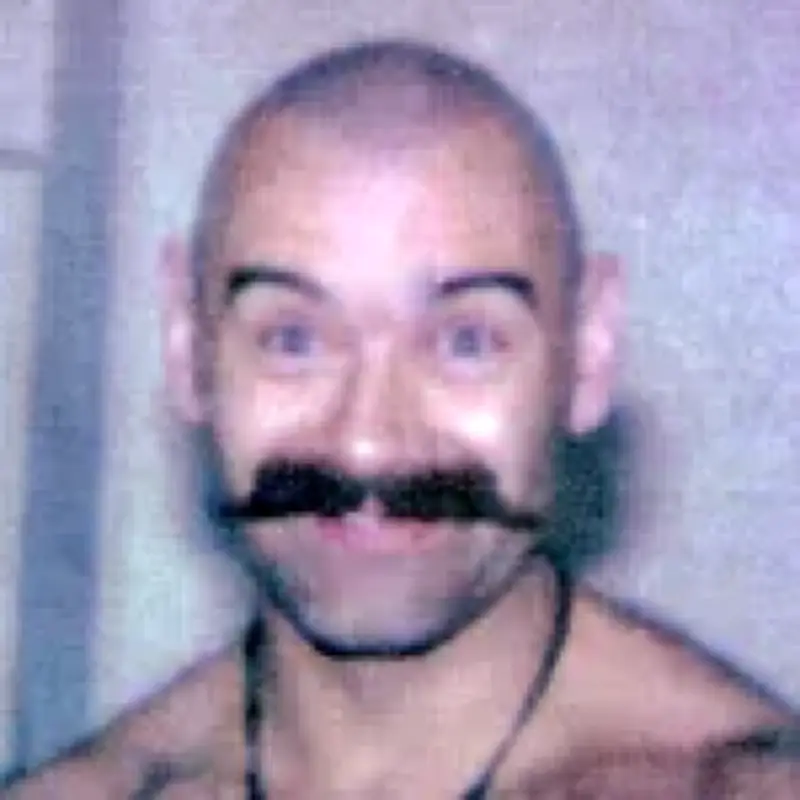
Notorious prisoner Charles Bronson could be a free man by Christmas after he was given the green light to make a new bid for release this year. The 73-year-old has been denied freedom eight times by the Parole Board but will have his ninth application heard on November 2 and 3.
High hopes to see mother
One of his lawyers said he 'has high hopes he can see his 95-year-old mother this year'. Bronson – who changed his surname to Salvador in 2014 – has spent half a century behind bars, mostly in solitary confinement or specialist units.
He was first jailed in 1974 and his sentence kept being increased following repeated attacks, hostage-taking incidents and sieges. Victims included prison governors, doctors, staff and, on one occasion, his own solicitor.
History of parole bids
He was handed a discretionary life sentence with a minimum term of four years in 2000 for taking a prison teacher at HMP Hull hostage for 44 hours. Since then, the Parole Board has repeatedly refused to direct his release.
Bronson was the first prisoner to formally ask for a public hearing after rules changed in 2022 in a bid to remove the secrecy around the parole process. Addressing a panel the following year, he said: 'It's no secret I have had more porridge than Goldilocks and the Three Bears, and I'm sick of it. I've had enough of it, I want to go home.'
Next hearing in private
His next hearing will be held in private. Gurdeep Singh, a solicitor acting for Bronson, told the Daily Star the hardman is 'delighted' to be given a full hearing date. He said: 'He wants to show the world he is not the person he was, he hopes to convince the panel that he is a changed man intent on living a simple life in the outside world. He has high hopes he can see his 95-year-old mother this year.'
A Parole Board spokesperson said: 'An oral hearing has been listed for the parole review of Charles Salvador and is scheduled to take place in November 2026. Parole Board decisions are solely focused on what risk a prisoner could represent to the public if released and whether that risk is manageable in the community. A panel will carefully examine a huge range of evidence, including details of the original crime, and any evidence of behaviour change, as well as explore the harm done and impact the crime has had on the victims. Members read and digest hundreds of pages of evidence and reports in the lead up to an oral hearing. Evidence from witnesses including probation officers, psychiatrists and psychologists, officials supervising the offender in prison as well as victim personal statements are then given at the hearing. The prisoner and witnesses are then questioned at length during the hearing which often lasts a full day or more. Parole reviews are undertaken thoroughly and with extreme care. Protecting the public is our number one priority.'