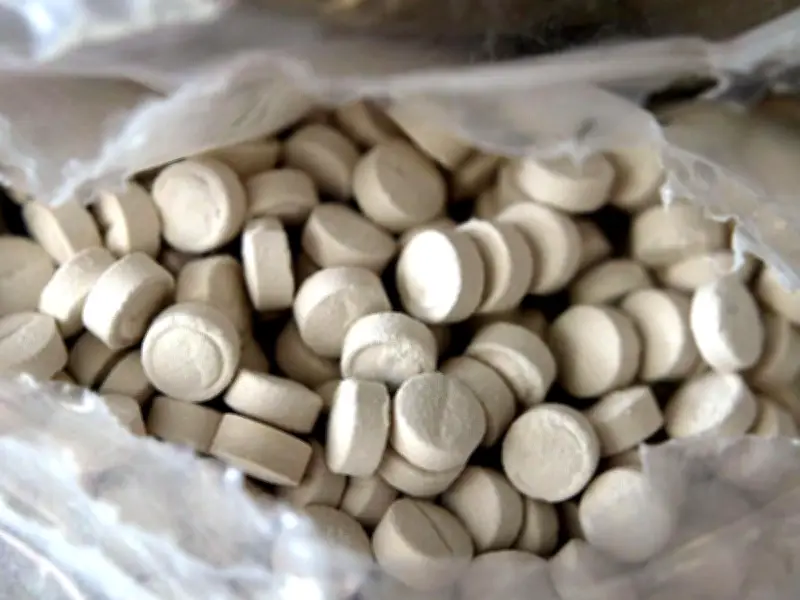
Experts at Public Health Wales are warning the illicit drug market is becoming increasingly "complex and unpredictable" with more than one in three samples submitted found to contain substances other than what the buyer expected.
The Welsh Emerging Drug Identification Service (WEDINOS) annual report, published on Tuesday and covering the year between April 2025 and March 2026, shows 36.6% of community samples with a known purchase intent did not contain the expected substance.
Emerging threats identified
For the first time the programme has identified emerging high-potency synthetic opioids known as orphine analogues. These were also detected, together with veterinary sedatives, in samples submitted as heroin.

The programme also continues to see the circulation of nitazenes, novel benzodiazepines being sold as diazepam, and synthetic cannabinoids in products sold as THC, CBD, or cannabis vapes – all of which raise concerns about harmful effects and even potential overdose.
Particular concern over synthetic opioids
The continued presence of high-potency synthetic opioids in the drug market is "a particular concern" given the increased risk of accidental overdose they pose to people who use drugs.
A statement reads: "While nitazenes have been a concern among health workers and drug services for the past few years the WEDINOS report highlights the presence of orphine analogues as a growing concern within the UK illicit drug market.
"More generally the report shows that benzodiazepines were still the most commonly identified group of substances sent to the WEDINOS drug testing programme with the largest number of samples being diazepam. In many cases these products were bought from online pharmacies and look identical to products obtained from legitimate outlets but don’t contain what is advertised.
"WEDINOS urges people to only use medications obtained from their GP and dispensed by a doctor or high street chemist.
"Another area of concern is found in illicit vape products with 43% of THC, CBD, or cannabinoid vape products submitted to WEDINOS containing synthetic cannabinoid receptor agonists (SCRAs, sometimes known as ‘spice’) – demonstrating a significant level of substitutions in this market. SCRAs used in vapes are more likely to produce extremely rapid and potent adverse effects including severe anxiety and panic, psychosis, hallucinations, and seizures."
Call for harm reduction
Head of programme for substance misuse at Public Health Wales, Rick Lines, said: "Our work at WEDINOS over the past year demonstrates again the continuing volatility of illicit drug markets and the high level of substitutions within the market that may increase the risk of ill effects and accidental overdose.
"In particular the growing detection of high-potency orphine analogues – some of which have never been seen by WEDINOS before – continues to highlight concerns about the presence of high potency synthetic opiates in the UK drug market.
"The public health harm reduction work that WEDINOS is part of, alongside partners from across Wales and the wider UK, is vitally important to enable greater understanding emerging threats and to reducing the risk of accidental overdose."
Those seeking support for drug- or alcohol-related concerns can contact the Wales Drug and Alcohol Helpline on freephone 0808 808 2234, by texting DAN to 81066, or by visiting dan247.org.uk.