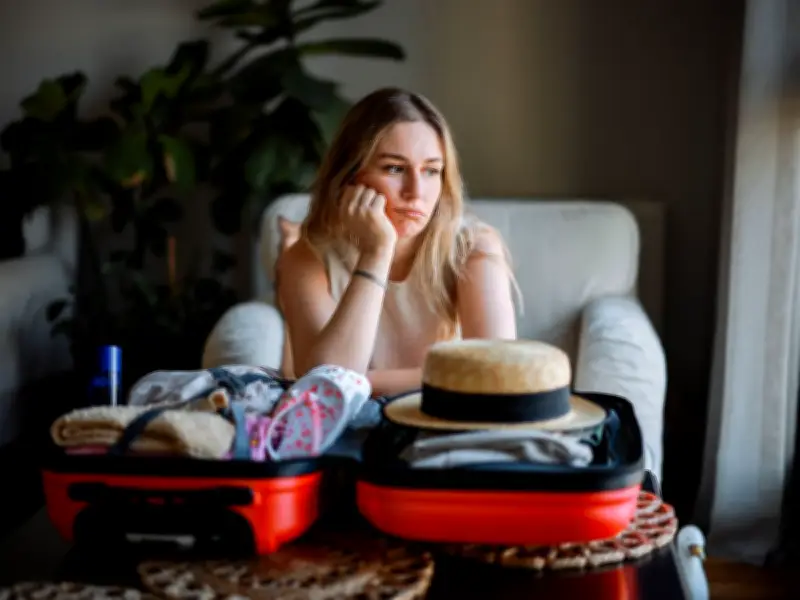
UK residents booking last-minute summer holidays are being warned to watch out for a surge in fake Booking.com websites that could leave them with no holiday, no refund and stolen bank details.
Cybersecurity experts say artificial intelligence has made scam websites so convincing that many are now almost impossible to distinguish from the real thing.
Research by NordVPN found around 40 fake Booking.com websites were being detected every day during the February booking peak, with fresh copycat sites continuing to appear as families hunt for late summer deals.

Booking.com most impersonated brand
Booking.com accounted for around three-quarters of all fake travel websites detected this year - more than every other travel brand combined. Airbnb was the second most impersonated brand, but a distant second.
Marijus Briedis, chief technology officer at NordVPN, said: "The deals that look too good to be true are the ones doing the damage. When someone finds a hotel at half the going rate, they pay quickly because they don't want to lose it. By the time they realise the booking doesn't exist, the trip is ruined and their bank details are gone."
He urged travellers to check the web address carefully before entering any personal or payment details, adding that scammers target trusted brands because people are less likely to question them.
How to avoid scams
Kate Allen, owner of Finest Stays, said AI has made fake booking sites "incredibly convincing" and urged holidaymakers to book directly with established local companies where possible. She said speaking to someone on the phone and checking the business has a genuine office and local contact details can help avoid fraud.
Harvey Dhillon, founder of Zmartly, told Newspage that purchases over £100 made by credit card are protected under Section 75 of the Consumer Credit Act, while debit cards generally rely on the voluntary chargeback scheme. He also warned against paying supposed hosts by bank transfer to save booking fees.
Daniel Mohacek, chief executive of TruthEngine, urged travellers not to rely solely on glowing online reviews, warning that some can be fake or manipulated. He advised holidaymakers to compare reviews across different platforms, read two, three and four-star reviews, and check genuine guest photos before booking.
Experts also warned that how people pay can determine whether they get their money back.
Practical tips for safe booking
- Type the website address yourself rather than clicking links
- Check the URL carefully before paying
- Be wary of deals that seem too cheap
- Pay by credit card where possible
- Never bank transfer money to an unknown host
- Compare reviews and look at genuine guest photos
Booking.com has been approached for comment.