A tourist accused of hurling a rock at an endangered Hawaiian monk seal has claimed he was trying to protect sea turtles, his lawyer said. Igor Lytvynchuk, 38, of Covington, Washington, is due in court in Honolulu on Wednesday on charges of harassing and attempting to harass a protected animal.
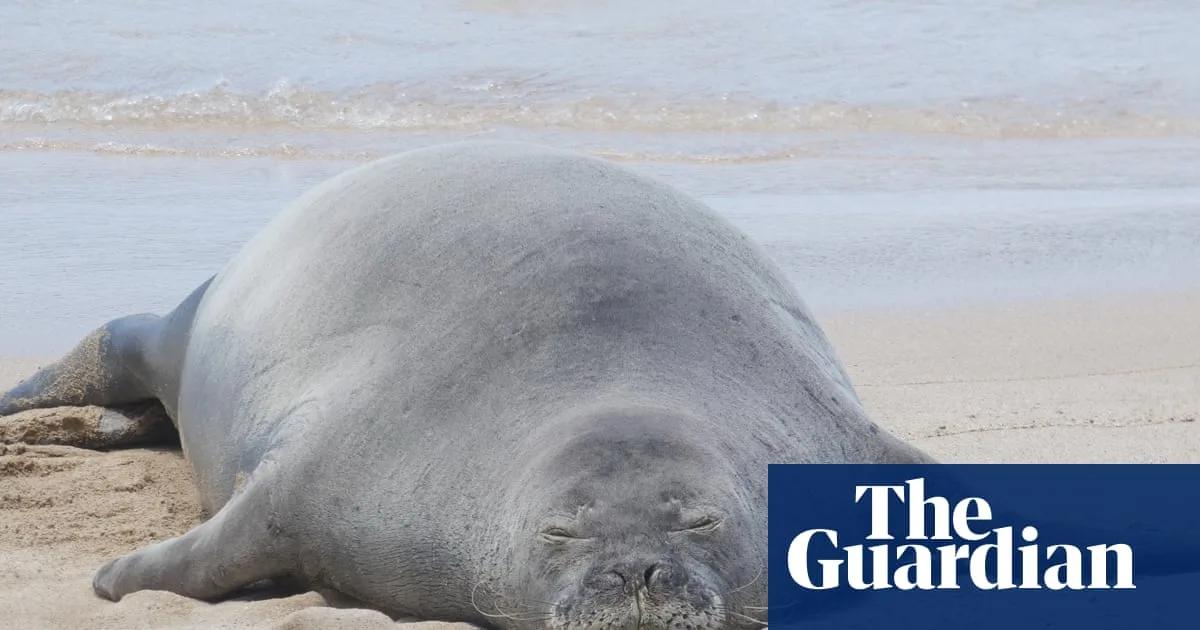
The incident occurred earlier this month on a Maui beach, where a witness recorded a video showing Lytvynchuk throwing a rock at the seal, identified by scientists as an adult male known as R404. The rock, described as the size of a coconut, narrowly missed the seal's head, according to prosecutors. The video sparked widespread condemnation, including from Maui's mayor, Richard Bissen, who called the behaviour 'unacceptable'.
Lytvynchuk's attorney, Myles Breiner, said his client was a fisherman who mistook the seal for an aggressive sea lion and acted to protect sea turtles. Breiner added that Lytvynchuk has since faced death threats, doxing, and even received a package containing what appeared to be faeces at his home. The lawyer argued his client was being treated unfairly because he is a white outsider, noting that 'the vast majority of attacks on monk seal and turtle are by locals'.

According to a criminal complaint, when a witness confronted Lytvynchuk, he allegedly said 'he did not care and was rich enough to pay any fines'. Breiner also claimed Lytvynchuk was 'brutally assaulted' after the incident but declined to file a police report.
Hawaiian monk seals are among the world's most critically endangered marine mammals, facing threats such as habitat loss, pollution, entanglement in fishing gear, and diseases from runoff. They are protected under the Endangered Species Act and the Marine Mammal Protection Act. If convicted, Lytvynchuk faces up to one year in prison per charge and fines of up to $50,000 under the Endangered Species Act and $20,000 under the Marine Mammal Protection Act.