Texas has implemented a new policy banning prison inmates from receiving hardback and used books, citing concerns over synthetic drug contamination. State officials say the measure is necessary to curb contraband entering facilities, but advocates and inmates argue it unfairly restricts access to information and education.
Policy Details and Rationale
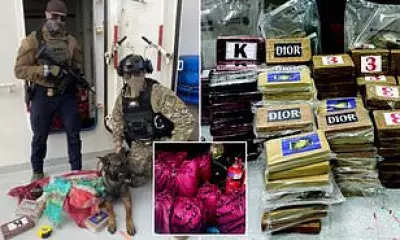
The Texas Department of Criminal Justice (TDCJ) introduced the policy in April after 385 books tested positive for synthetic drugs last year, including methamphetamine, fentanyl, marijuana, and PCP. These drugs can be turned into liquid and sprayed on pages, then sniffed by inmates. TDCJ received 450,000 books in 2024, many donated or sent by family members.
Under the new rules, hardback books are banned because they are harder to scan for contraband, and used books are prohibited because stains can be mistaken for tampered pages. Inmates who receive such books have 90 days to send them elsewhere or they will be destroyed. All book donations must now go through the Windham School District, which reviews them for quality and suitability.

Advocates' Concerns
Laney Hawes, co-founder of the Texas Freedom to Read Project, called the policy a book ban cloaked as a safety measure. “My concern is that they are restricting access to really, really important things, information, ideas to prisoners as a way to say they’re doing something,” she said.
Scott Odierno, coordinator of the Inside Book Project, said the policy will force his organization to spend more money purchasing new books and restrict what they can send. About 80% of the books they provide are donated and used, and 15% are hardcover. He noted that his group already checks books twice for contraband and rarely finds any, yet TDCJ destroys many donated books over discolored pages or “unknown substances” without verification.
Existing Book Bans
Texas already bans 10,827 book titles from prisoners, including The Color Purple, Alex Cross novels, and ’Scuse Me While I Kiss the Sky. Banned categories include books that facilitate escape, show how to manufacture weapons or drugs, incite violence, or contain nudity or sex. TDCJ developed this list over decades, according to director Timothy Fitzpatrick.
Contraband Concerns
TDCJ reported 129 inmate overdoses in 2025, though it is unclear how many involved drugs from books. Officials say contraband enters facilities via perimeter tosses, visitors, mail, and staff. While no staff were caught smuggling drugs via books last year, agency spokesperson Amanda Hernandez acknowledged that some contraband comes from employees.
Advocates argue that blanket measures are unnecessary because nonprofits like Inside Book Project inspect books thoroughly. Inmates have complained that the policy creates inequities, as those with money can buy new books while indigent prisoners cannot. Digital books are available on tablets, but advocates say that does not replace physical books.
“If books really are changing lives, then this prevents some of that rehabilitation. This prevents some of that growth,” Hawes said. “This prevents some of the solace and the safety and the peace. In a place that may not have a whole lot of that, and we want to find ways to give more of that and not less.”