A woman who was sexually assaulted in Rochdale and then turned amateur detective to coax a Snapchat confession from her attacker has described the 'traumatic' six-year wait for justice, saying she would now think twice before reporting a sex crime.
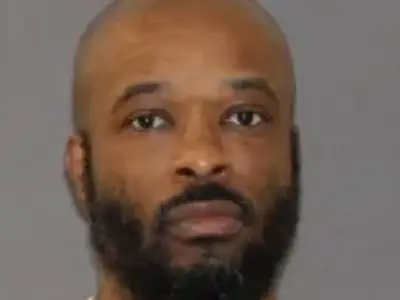
The woman, who cannot be named for legal reasons, was in her late teens when she was attacked by 32-year-old delivery driver Christopher Hoyle during a date in October 2020. The pair had met on Snapchat, where Hoyle told her his name was 'Dan' and that he was 25, before assaulting her in his van.
Amateur Detective Work
After blocking Hoyle immediately following the attack, the woman added him again the next day, fearing any prosecution would come down to 'his word against mine'. In an exchange of messages seen by the Manchester Evening News, she challenged him over the assault. One message from Hoyle read: "I thought you liked it... I know you said no."
Within a week, the woman, now in her early 20s, had reported the attack to police and provided screenshots of the Snapchat messages. Despite this, it took almost another six years, numerous court delays, and a five-day trial before Hoyle was brought to justice.
Trial and Sentence
In July this year, Hoyle, 38, of Dumbarton Drive, Heywood, appeared at Bolton Crown Court accused of seven counts of sexual assault. Following a five-day trial, he was found guilty of one charge. On September 4, he received an 18-month suspended prison sentence, a 10-year restraining order, was made to sign the sex offenders register for 10 years, and was ordered to do 200 hours of unpaid work.
The woman, who gave evidence via videolink, described the trial as 'really difficult'. She said: "His barrister was calling me a liar, really. Everyone was saying 'It's not going to be like you see on TV,' but honestly I thought it was worse." She was left extremely disappointed by the sentence: "I knew a massive sentence wasn't going to happen, but I was still shocked. It feels like I'm the one who's been given a life sentence. I have to live with this for the rest of my life, whereas he was free to go home."
Impact of Delays
The woman said she was often informed of delays at the last minute and given little explanation, but they had a devastating effect on her life. "It's been nearly six years," she said. "I feel like my body has been in survival mode. I'm struggling. I've had to take sick leave from work. I've not really been sleeping. I've been having flashbacks, bringing everything back up."
She added: "It's completely changed my perspective on how I see people. I find it a lot harder to trust people now. I struggle with relationships. I find it difficult to feel comfortable with physical closeness. I've not been able to move on, to try live my life and deal with it."
National Context and Reform
According to research by RapeCrisis, more than 15,000 sexual offence cases were waiting to go through the courts in England and Wales at the end of March this year. The organisation found rape and sexual abuse cases in Crown Court are delayed by almost 500 days on average, with some cases postponed into 2028 and 2029. In 2024, only a third of sexual offence cases went ahead as planned.
In this case, police submitted a file to the CPS in late October 2021, and Hoyle was charged in July 2022. A trial set for January 2, 2024, was postponed four times due to court listing problems before finally going ahead in July this year.
Christie Webster from Manchester Women's Aid said long delays mean survivors are 'put on hold' while waiting for the court process to conclude. She added: "Victims get tired of waiting. They cannot move on. Often they are left with having to make a choice of not continuing to support a conviction. The emotional, psychological, physical and family impacts - the waiting exacerbates everything." She called for more consultation with survivors, more transparency, and a guaranteed time frame for sexual offence cases.
On Monday, the Prime Minister announced specialist courts for rape and sexual offences will be rolled out across England and Wales, with every Crown Court having at least one dedicated courtroom within two years. Victims will be offered a private entrance and waiting room, and court staff will receive 'trauma-informed training'. From October, trials will have fixed dates rather than floating lists. Andy Burnham said the measures aim to 'rebalance the scales of justice and put victims first'.
Alison Lloyd from Manchester Rape Crisis welcomed the changes but called for more support for victims and investment in specialist units, saying: "It's a really important and long overdue recognition for survivors, but it won't be a silver bullet... But hopefully having specialist courtrooms and, importantly specialist staff, will make a huge difference."
In response to the delays in the Hoyle case, a Ministry of Justice spokesperson said: "It takes immense bravery for victims to come forward, and this government has made it a priority to reduce the crown court backlog we inherited and deliver swifter justice for them. Violence against women and girls is a national emergency, and we are strengthening protections for victims, tightening supervision of offenders, and rolling out world-first restriction zones – all on top of an unprecedented £550m investment in victim support services over the next three years."