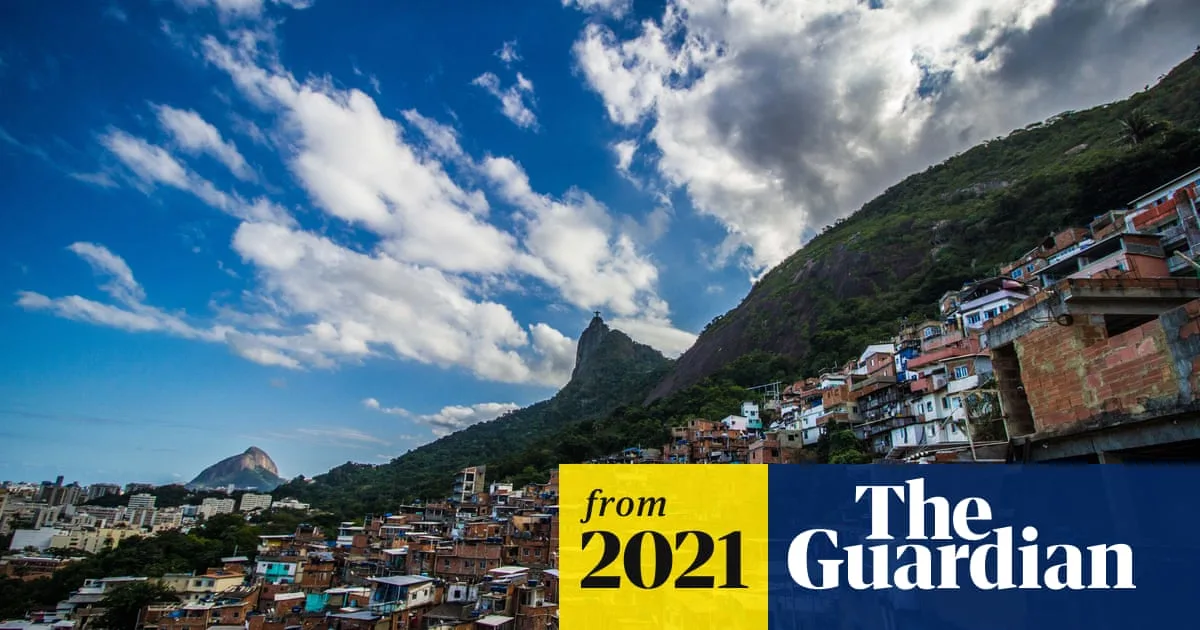
Nearly 800 people have been killed by police in Rio de Janeiro state over the past nine months, despite a Supreme Court ruling suspending raids in favelas during the coronavirus pandemic, new figures reveal. Between June 2020 and March 2021, 797 deaths were recorded, 85% of them in the city and surrounding metropolitan region.
The court order followed the killing of 14-year-old João Pedro Matos Pinto, shot in the back during a police incursion. Initially, raids dropped by 64% between June and September, but resumed in October after acting governor Cláudio Castro took office. The number of raids doubled to 38 that month, averaging nearly one per day across Greater Rio over the following nine months.
“It’s absurd,” said Daniel Hirata, author of a report by the Federal Fluminense University research group Geni. “The highest court takes a decision, and political authorities do not respect it, violate it deliberately. This is a risk to the rule of law in Brazil.” Police argue raids are necessary to combat violent gang disputes, claiming they “preserve lives and follow legal precepts”. However, Hirata insisted that “police raids, in addition to being lethal, are ineffective against crime”.

The violence has worsened since the 2018 election of governor Wilson Witzel, who promised to “slaughter” criminals. He was forced out in August 2020 over a corruption scandal, but his successor has pursued similar tactics. Most victims are black or brown, and police in Rio kill almost twice as many people annually as in the entire United States.
The crisis has compounded the pandemic’s impact on the most vulnerable. A study in the Lancet found inequality was a larger factor in Covid-19 deaths in Brazil than age or health status. Favela community groups distributing food and cleaning kits have often been forced to halt operations because of raids. One teacher in Belford Roxo, who asked not to be named, said: “Amid this crisis, we have been living in a war state since January.”
Residents report constant police helicopter activity and day-and-night shootings. Activist Fransérgio Goulart said official figures show nine deaths in his community, but locals say more than 30 have been shot since January. “One case that shocked me was that of a young man shot dead going home from work. His mother spent hours with her son on her lap waiting for the body to be taken away.” The state Supreme Court began a two-day public hearing on Friday to draw up a new plan to reduce police killings and human rights violations.