An ally of Vladimir Putin has called for elderly, sick, and disabled people to be allowed to join Russia's military as manpower shortages grow severe, four years after invading Ukraine.
In a segment broadcast on the state television programme Sunday Evening with Vladimir Solovyov, Alexei Kondratiev, a member of Russia's Federation Council, argued that recruitment rules should be changed to let almost anyone serve.
Kondratiev's appeal
Kondratiev said: “People have the right to defend their homeland. And it doesn’t matter if you’re wounded, sick, in a mansion, have some kind of illness, it doesn’t matter how old you are or what gender you are.” He also addressed barriers facing women who wish to sign contracts with volunteer formations such as Bars.

He continued: “There are many women who would like to sign contracts with the Bars. At the same time, there are a lot of young ladies there... They want to, but by law they cannot. Nothing. Then the laws can be revised based on the realities of wartime.”
Discussion on wartime realities
The discussion took place against the backdrop of what panellists described as a “new war” involving mass drone attacks and the need for a major increase in military production. Kondratiev spoke of the requirement for “two, three times more interceptors” and the challenges posed by Ukrainian strikes on infrastructure, transport links and energy facilities.
He warned that such attacks were designed “to destabilise the situation within the country” and “to create distrust in his own government”. Host Solovyov, a well-known Kremlin-aligned broadcaster, contributed by recounting a recent trip to areas near the Novorossiya highway.
Solovyov dismissed reports of destroyed bridges and panic, stating there were no major traffic problems and that bypass routes and protective measures were already in place. He emphasised that people continued to live and move in the region despite difficulties such as fuel shortages.
Scale of conflict and industrial scaling
The programme highlighted the scale of the conflict, noting shifts from earlier doctrines to full-scale war and the need for rapid industrial scaling reminiscent of Soviet-era production surges. Kondratiev stressed the importance of involving large companies from the oil, gas and other sectors in protection and production efforts.
Kondratiev described the enemy as seeking to influence conditions for a change of power in Russia, referencing historical revolutions that ended in “the destruction of the state and enormous bloodshed”.
Challenges in troop levels
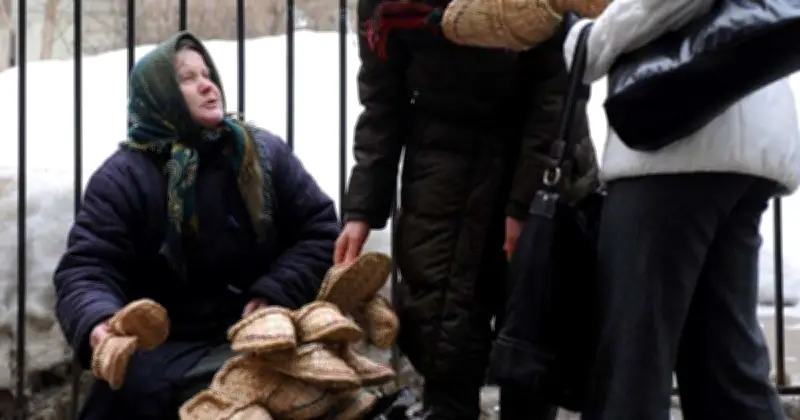
Russia has faced persistent challenges in maintaining troop levels throughout the invasion. Reports and footage from the front have shown older recruits and individuals with medical conditions being integrated into units. Cases involving soldiers with significant disabilities, including those using wheelchairs, have been documented and shared publicly.
The Kremlin has offered substantial financial incentives for contract soldiers and adjusted policies to broaden the pool of potential recruits. Kondratiev’s comments align with ongoing Russian state media efforts to portray the war as a collective national endeavour requiring contributions from all segments of society.
The Federation Council member also touched on international matters, criticising US political figures and legislation, and suggesting stronger alignment with countries such as Iran and North Korea in response to Western sanctions.
Propaganda and human costs
Vladimir Solovyov’s show serves as a regular platform for hardline pro-war messaging. Both Solovyov and Kondratiev are vocal supporters of Putin’s policies, frequently framing the conflict as an existential fight against NATO and Ukrainian forces backed by the West.
As winter approaches, concerns about energy infrastructure attacks were raised, with preventative measures urged. The segment reflected the Kremlin’s narrative that Russia must prepare for a long confrontation and adapt its systems accordingly, including rethinking traditional military doctrines in favour of modern technologies and broader societal involvement.

This appeal to the elderly, wounded and sick comes as independent estimates continue to point to high Russian casualties in attritional fighting, particularly in eastern regions. While official Russian statements claim strong volunteer numbers, the explicit discussion of removing age and health restrictions on state television illustrates the pressure to sustain combat operations.
Ukrainian sources have reported capturing or observing Russian personnel with limited physical capabilities deployed in forward positions. The broadcast seems to underscore the extent to which the Russian leadership is willing to mobilise wider parts of the population to maintain its military campaign. With no immediate resolution to the war in sight, such public calls highlight the ongoing human demands being placed on Russian society across all demographics.