Police are being forced to disclose the ethnicity of suspects in response to a rise in far-right speculation on social media, a former senior officer in the Metropolitan police force has warned. New guidance was issued in August to combat misinformation following the murder of three schoolgirls in Southport last summer, but campaigners say it may encourage focus on racial backgrounds and fuel conspiracy theories.
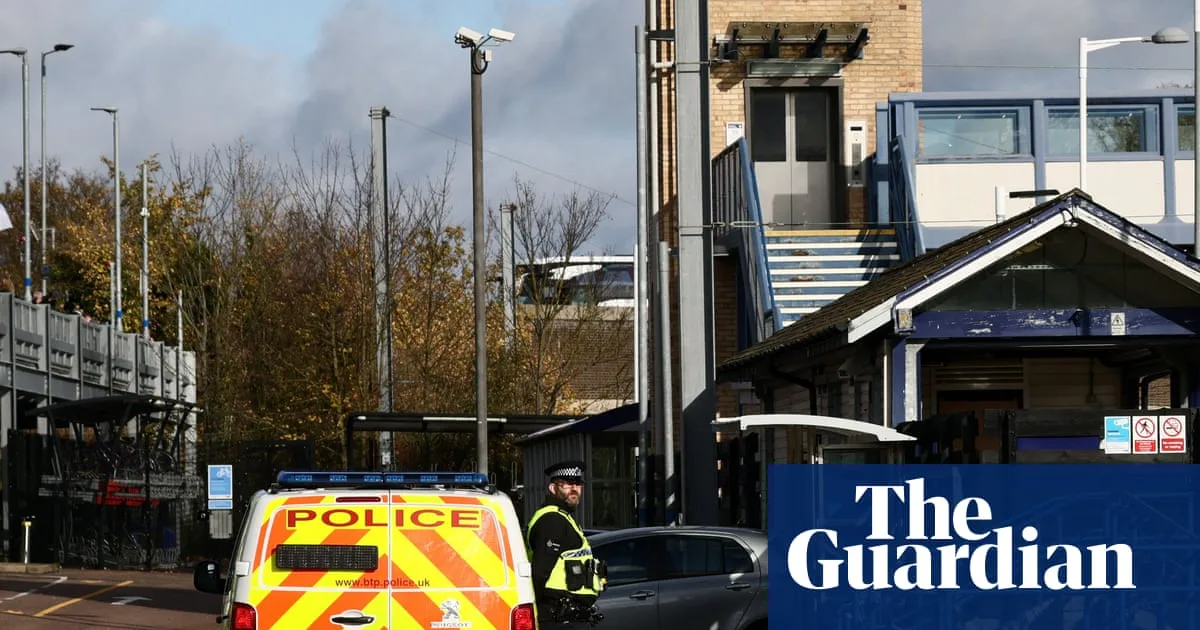
On Sunday, British Transport Police (BTP) arrested two men after multiple stabbings on a train in Cambridgeshire: a 32-year-old black British national and a 35-year-old British national of Caribbean descent. The 35-year-old was later released with no further action, as he “was not involved” in the attack, according to a BTP statement. Police said there was nothing to suggest it was a terrorist incident.
Dal Babu, a former chief superintendent in the Metropolitan Police, said the new guidance has created an “unintended consequence” where police are pressured to release ethnicity data. “They are damned if they do and damned if they don’t,” he said. “Race is being amplified by far-right racist groups and the police are being forced to respond. It is a worry.”

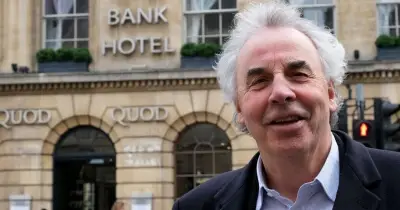
Ben Obese-Jecty, the Conservative MP for Huntingdon, described the situation as “sad” but necessary. “I don’t like it. I understand why they do it. I think they actually have to do it now,” he said. “We’ve got to a stage where, because of the way people leverage social media to their own ends, the police have to get that information out there so that we’re dealing with facts.”
Before police released the ethnicity details, right-leaning politicians had demanded faster information. Chris Philp, the shadow home secretary, told the Telegraph: “The police should have released identity details by now.” Nigel Farage, leader of Reform UK, posted on X: “We need to know who committed these awful attacks as soon as possible.” Far-right accounts also attempted to exploit the incident, with one unsubstantiated claim that a suspect shouted “Allahu Akbar”.
The guidance was developed by the National Police Chiefs’ Council (NPCC) to ensure police processes were “fit for purpose” amid public concerns. Ben Habib, the former Reform UK co-leader, questioned the police’s handling, saying it was “almost inconceivable” the incident was not terrorism, despite police saying otherwise. He said he would “remain extremely suspicious until we get chapter and verse.”