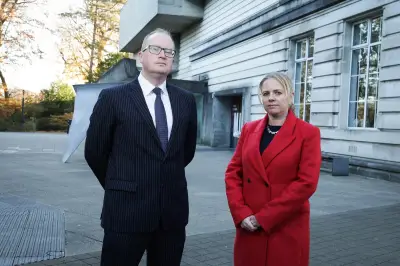
Nearly 2,000 Metropolitan Police officers have left the force over the last four years because of misconduct, according to the latest internal figures. The Met's deputy commissioner said the failure to meet basic standards applied to more than 'just a few individuals'.
Rising Abuse and Corruption Reports
Figures also showed abuse and corruption had almost tripled since the start of the decade to 1,348 reports in 2023-24, the last year for which there is complete data. More than 10 per cent of recruits failed enhanced vetting procedures in that time.
Responding to the findings, Deputy Commissioner Matt Jukes told the Observer the problem extended beyond a few bad apples. He said risks were not limited to specific units but exist 'elsewhere in policing'.
Concerns Over Unit Culture
Last month, a Met Police officer who served in the parliamentary and diplomatic protection command was found guilty of rape. Mark Tyrrell served in the same unit as Sarah Everard's killer Wayne Couzens.
Mr Jukes said 'dangerous men' had felt comfortable within these units. 'They were operating in cultures where they didn't feel they would be challenged, didn't feel they would be detected, didn't feel they would be called out', he said.
Special Constabulary Case and Technology
Met Police came under renewed pressure after the head of its Special Constabulary was caught using his work phone to copy images of a woman. An accelerated misconduct hearing expelled Special Chief Officer James Deller, who was responsible for the force's volunteer officers, following a probe which used Palantir technology.
It came as a legal dispute between Palantir and the Mayor's Office for Policing and Crime (Mopac) was settled in October, after the American software giant filed a lawsuit in response to the Mayor's move to block the use of its technology over concerns regarding its 'values'. A bidding process to provide AI technology to assist criminal investigations, in which Palantir is still involved, is due to be decided in April.
Mr Jukes said it was necessary to plough through 'tens and tens of thousands' of devices, including mobile phones and computers, to uncover misconduct. He said: 'We can recognise the steps that we've taken and the progress we've made, but we have to acknowledge that we need to be persistent and unrelenting in pursuing those engaged in wrongdoing. We are identifying people who've got inappropriate images on their work-related phones, we're identifying people who are communicating with colleagues and members of the public in ways which are deeply inappropriate.'