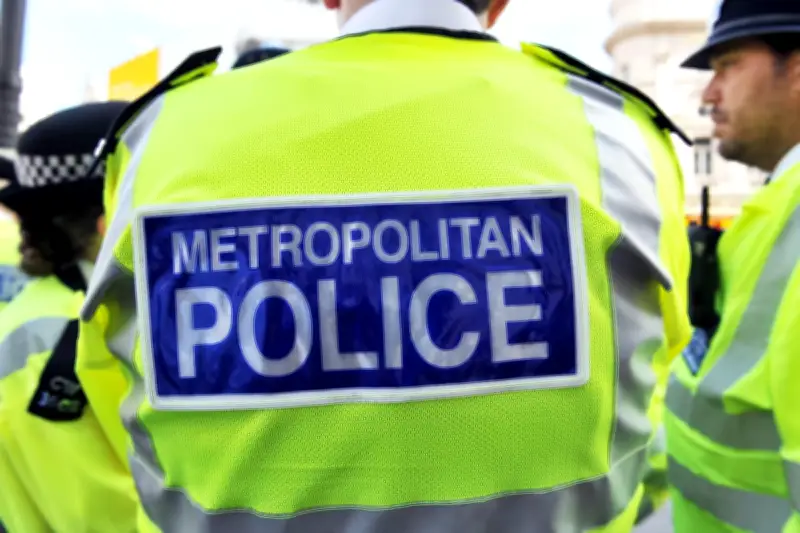
The Metropolitan Police is scaling back enforcement against some offenders who breach the conditions of their electronic tags, as pressures on officers continue to mount across London.
Under a pilot scheme running until the spring, Scotland Yard will not routinely take action over curfew breaches or tag battery failures lasting less than an hour, unless the offender is judged to pose a particular risk to the public.
Why the Change Is Happening
The change comes as the Met faces increasing demands linked to the Government's early prisoner release programme, which has seen more offenders monitored in the community under licence conditions.
Police will continue to review all breach notifications, but cases will only be escalated towards possible arrest where there are safeguarding concerns, a heightened risk to the public or evidence of persistent offending. High-risk offenders, including domestic abusers, will continue to be prioritised.
Impact on Police Resources
The Met says the move is designed to free up officers to focus on the most serious cases and is expected to cut the number of breaches requiring police action by more than 15 per cent.
Commissioner Sir Mark Rowley has previously voiced concerns about the pressures created by early prisoner release. The force says officers are dealing with more than 100 tag breaches every day and are arresting two or three recalled prisoners each week following further alleged offending.
The strain on resources was highlighted during a recent operation in south London, where officers were tracking offenders wanted for breaching licence or tag conditions. One police sergeant told Sky News there were "not enough cops" to manage the growing workload.
Explanations and Responses
Police sources say some breaches have innocent explanations, such as offenders attending hospital in an emergency, while delays in reporting can mean officers are alerted many hours after a breach occurs.
The Government defended its wider approach, saying it inherited a prison system "on the brink of collapse" and that failing to act would have created serious risks across the criminal justice system.
Ministers insisted public safety remained the priority, pointing to expanded electronic tagging, tougher licence conditions and increased investment in policing and probation services.
A Met spokesperson said the force was looking at whether alternative consequences could be used in lower-level cases, allowing officers to focus their efforts where they have the greatest impact.
"Where offenders have briefly stepped outside for a cigarette, or police are notified 19 hours later that they were 15 minutes late returning home, tying up several officers for hours is not the best use of resources," the spokesperson said.
The trial will test whether a more targeted, risk-based approach can ease pressure on London's overstretched police force without compromising public safety.