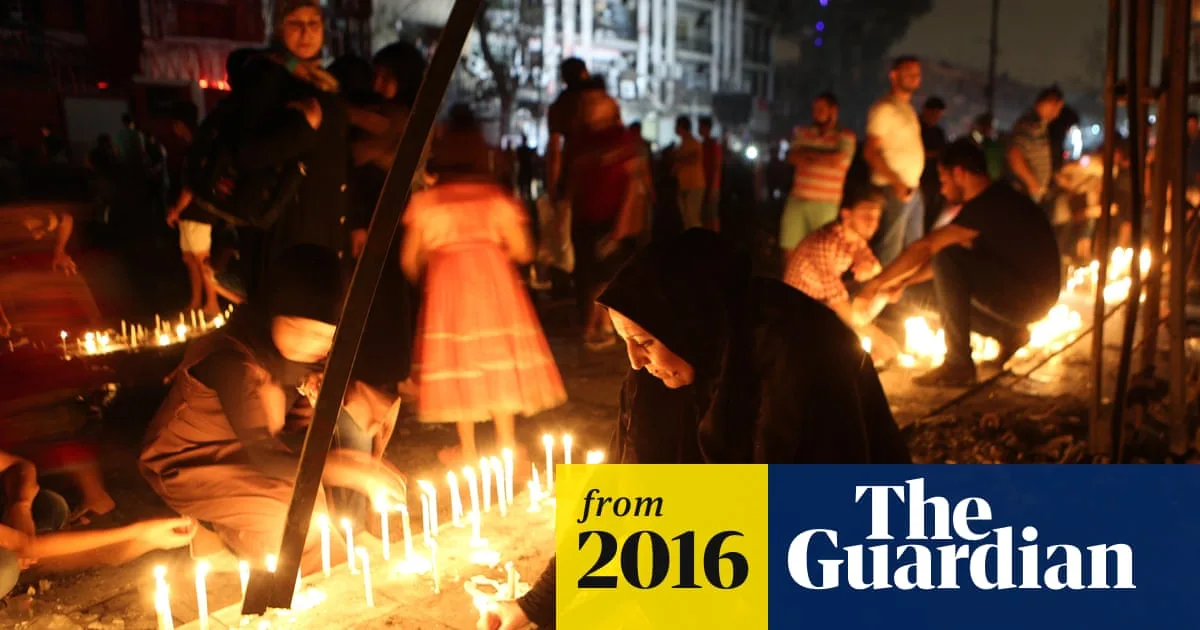
The death toll from a devastating bombing in a Baghdad shopping district has risen to 149, with officials warning the number could increase further. The attack, which occurred late on Saturday as civilians were breaking the Ramadan fast, is the single deadliest in Iraq this year and one of the worst in over a decade of conflict.
Islamic State has claimed responsibility, stating it deliberately targeted Shia Muslims in the Karada area on the southern bank of the Tigris. The bombing has once again highlighted the fragility of security measures in the Iraqi capital. Prime Minister Haider al-Abadi has ordered tighter security checks around Baghdad and the removal of fake bomb detectors sold to Iraq by a British businessman, James McCormick, who was jailed for fraud in 2013.
At least 185 people were wounded in the attack, which came days after Islamic State fled its stronghold of Falluja. The group's statement implied it makes no distinction between civilians and security forces as it battles to retain control of territory it seized in 2014. Baghdad has been struck more than 1,000 times, with most attacks targeting Shia civilian areas such as markets and religious gatherings.

While bombings on this scale are less frequent than during the sectarian insurgency of 2006-07, their impact is particularly shocking at a time when Iraqi forces, backed by Shia militias and US-led airstrikes, appear to be gaining ground on the battlefield. Abadi has promised to restore security and tackle corruption, but efforts have so far faltered.
An Arab intelligence official said the attack was partly retaliation for the loss of Falluja, noting that Islamic State wants to show it still has a presence in Baghdad. Despite recent military setbacks, the group retains influence in Anbar province and controls much of the border with Syria. The fall of Falluja means Islamic State has now lost three of the cities it seized in 2014, with Mosul remaining its last major urban stronghold in Iraq.