An Orange Order parade along the Garvaghy Road in Portadown is set to go ahead for the first time in nearly 30 years, after a court ruling cleared it to proceed. The march is scheduled for 8am on Sunday, following a last-minute legal back-and-forth.
Court rulings and legal challenges
After a five-hour hearing at a special sitting of the high court on Saturday, Justice Patricia Smyth issued an order temporarily suspending the parade. Smyth urged all sides to "step back from the abyss" and take responsible decisions for "the sake of everyone in Northern Ireland".
However, at 11.30pm on Saturday, Lady Chief Justice Siobhan Keegan said the high court judge who granted the injunction had "unfortunately erred in law". A new application at the high court to stop the Protestant parade from passing through the Catholic area was also dismissed in the early hours of Sunday morning.
Background and reactions
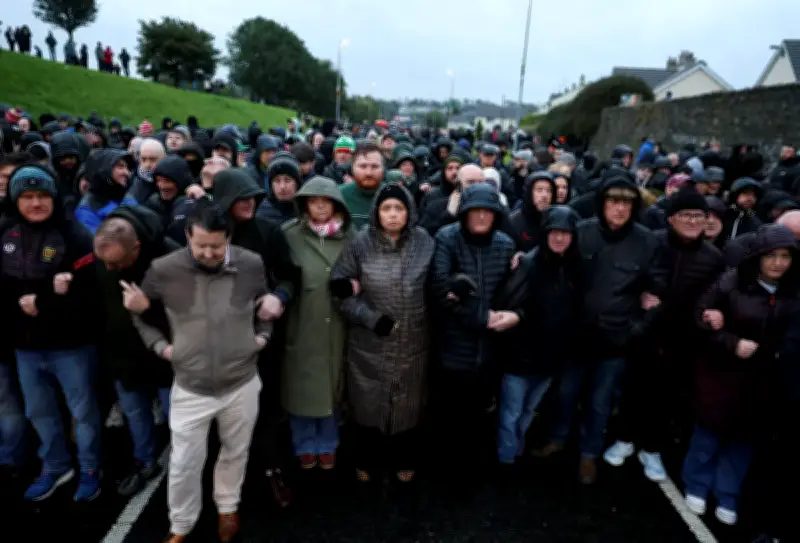
The march down Garvaghy Road had been banned for 28 years due to widespread sectarian violence in 1998 outside Drumcree church. Hundreds of people gathered in the Garvaghy Road area overnight, while residents planned a protest against the parade, which organisers told authorities thousands of people could attend.
Michelle O'Neill, first minister of Northern Ireland, called the decision to overturn the court ruling "disgraceful", saying the march is "steeped in a history of hate, sectarian violence, and murder". The SDLP leader, Claire Hanna, described the parade plan as "provocative" and told residents she was "so sorry" that some "bad faith actors" were "intent on reopening the hurt and the traumas of the past".
Restrictions and next steps
The Parades Commission placed a number of restrictions on the procession, including an 8am start and limiting the number of participants to 35 people, but did not impose any restrictions on the route.